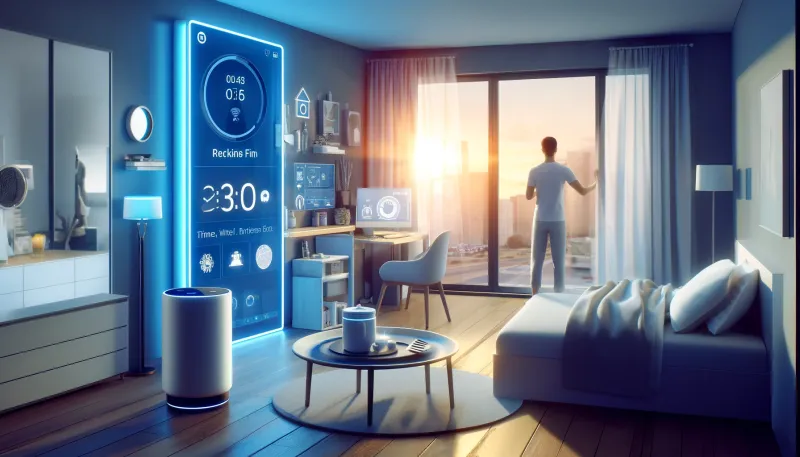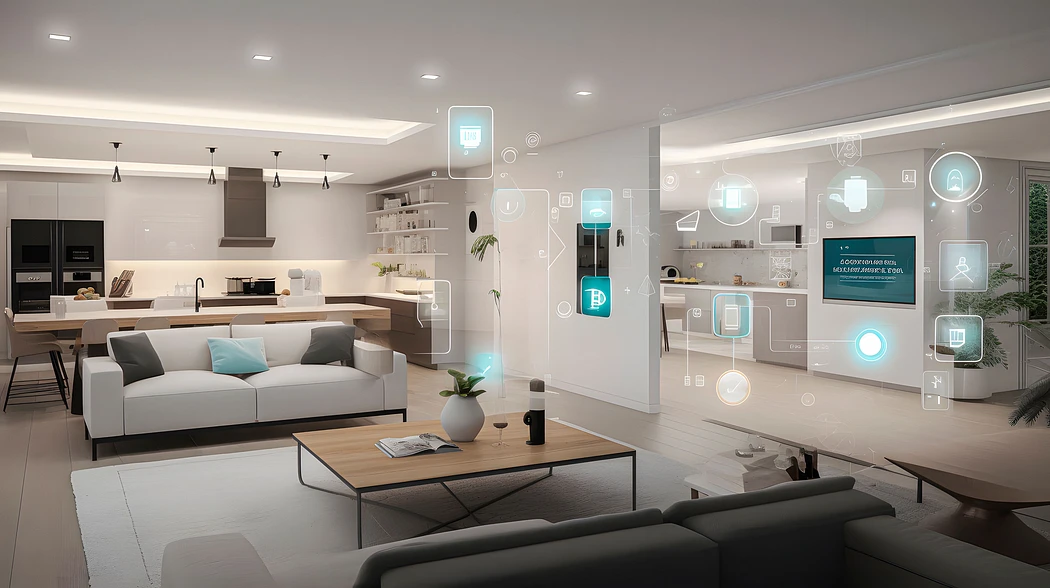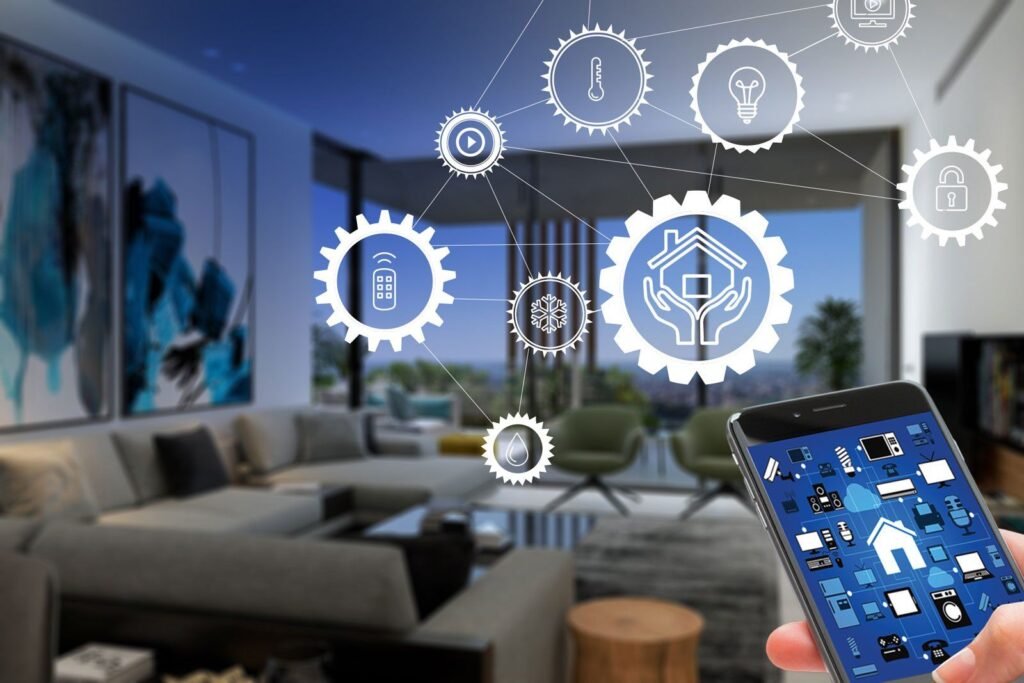
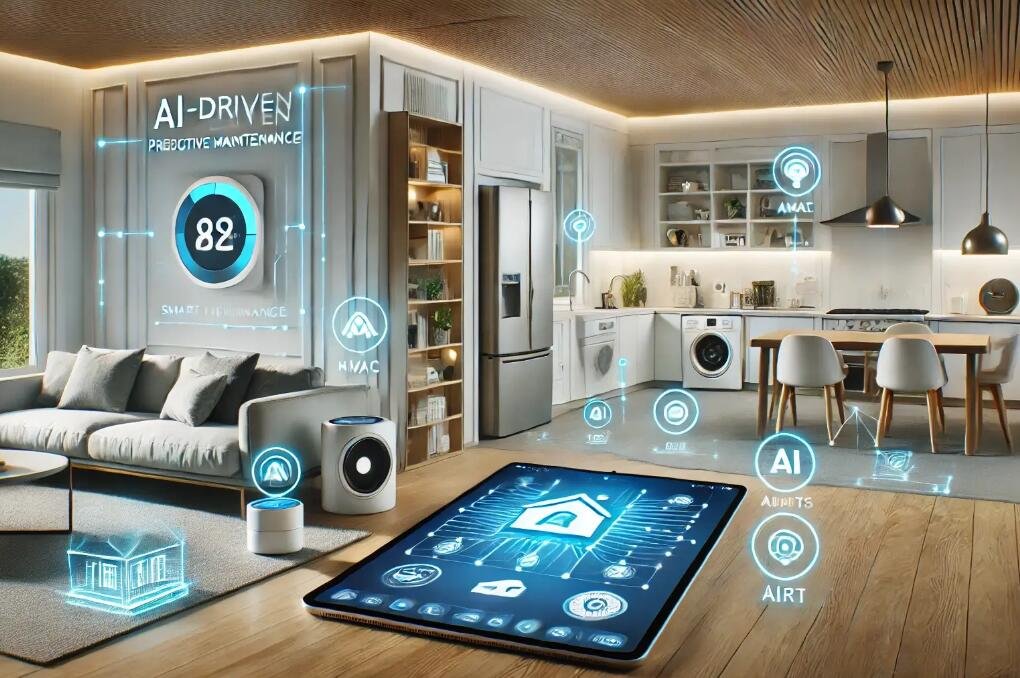
The integration of machine learning in smart homes is transforming how people interact with their living spaces. By enabling devices to learn from user behavior and adapt to routines, this technology is making homes more efficient, secure, and comfortable. From intelligent thermostats that adjust automatically to security systems that recognize familiar faces, the impact of these advancements is becoming more visible in everyday life.
As smart home technology evolves, understanding the role of artificial intelligence and data-driven automation is essential. This article explores how learning algorithms are applied within connected homes, the benefits they bring, and considerations for homeowners looking to adopt these solutions. For a broader overview of how artificial intelligence operates in residential environments, you can visit this explanation of how AI works in smart homes.
How Learning Algorithms Power Connected Homes
At the core of modern smart homes are systems that use data to make decisions. Machine learning in smart homes refers to the use of algorithms that analyze information from sensors, cameras, and other devices to recognize patterns and optimize performance. Unlike traditional automation, which relies on fixed rules, these systems can adapt over time based on user preferences and environmental changes.
For example, a smart thermostat might notice when residents typically leave for work and return home, then adjust heating or cooling schedules accordingly. Lighting systems can learn which rooms are used most frequently at certain times and adjust brightness or color temperature for comfort and energy savings. Security cameras can distinguish between family members, pets, and unfamiliar visitors, reducing false alarms and enhancing safety.
Key Applications of Machine Learning in Residential Settings
The use of adaptive algorithms in home environments is expanding rapidly. Some of the most common applications include:
- Energy Management: Smart meters and thermostats use predictive modeling to optimize energy consumption, lowering utility bills and environmental impact.
- Personalized Automation: Devices such as lights, speakers, and appliances adjust automatically to individual routines, creating a seamless living experience.
- Security Enhancements: Advanced surveillance systems use facial and object recognition to identify potential threats and alert homeowners in real time.
- Health and Wellness Monitoring: Sensors track air quality, humidity, and even sleep patterns, providing recommendations for a healthier home environment.

Benefits of Smart Home Learning Systems
The adoption of intelligent automation in homes brings several advantages:
- Convenience: Automated routines save time and reduce the need for manual adjustments.
- Energy Efficiency: By learning usage patterns, systems can minimize waste and lower costs.
- Enhanced Security: Proactive monitoring and real-time alerts offer peace of mind.
- Personalization: Devices adapt to individual preferences, creating a more comfortable living environment.
These benefits are driving the popularity of connected home solutions, making them accessible to a wider range of households.
Challenges and Considerations for Homeowners
While the advantages are clear, there are important factors to consider when implementing machine learning-driven systems at home:
- Privacy Concerns: Devices that collect and analyze data must be managed carefully to protect personal information. Homeowners should review privacy policies and understand what data is being stored or shared.
- Security Risks: As more devices connect to the internet, the risk of cyberattacks increases. Using strong passwords, regular software updates, and secure networks is essential.
- Compatibility: Not all smart devices work seamlessly together. Choosing products that support common standards can help avoid integration issues.
- Cost: Advanced automation systems can require a significant investment. Weighing the long-term benefits against upfront expenses is important.
For those interested in sustainable living and resilience, integrating smart technology with off-grid solutions can provide additional value. Resources like off-grid homestead sustainability tips offer practical advice for combining modern automation with independent living.
How Devices Learn and Adapt in Smart Homes
The process by which devices become more intelligent involves several steps:
- Data Collection: Sensors gather information about user activity, environmental conditions, and device usage.
- Pattern Recognition: Algorithms analyze the data to identify trends, such as when lights are typically turned on or which rooms are occupied at certain times.
- Prediction and Automation: Based on recognized patterns, the system predicts future actions and automates responses, like adjusting the thermostat before residents arrive home.
- Continuous Learning: As new data is collected, the system refines its predictions and adapts to changes in routines or preferences.
This cycle of learning and adaptation is what sets modern smart home technology apart from earlier forms of home automation.

Future Trends in Smart Home Automation
The future of machine learning in smart homes is promising, with new developments on the horizon. As devices become more interconnected and algorithms more sophisticated, homeowners can expect even greater levels of automation and personalization. Some emerging trends include:
- Voice and Gesture Recognition: More intuitive ways to control devices, reducing the need for physical interfaces.
- Integration with Wearables: Smartwatches and fitness trackers will provide additional data for home systems to tailor experiences.
- Predictive Maintenance: Appliances will anticipate maintenance needs, alerting users before breakdowns occur.
- Greater Interoperability: Open standards will allow devices from different manufacturers to work together more seamlessly.
As adoption grows, understanding the basics of these technologies will help homeowners make informed decisions about which solutions best fit their needs. For more on the broader concept of connected living spaces, see this definition of smart homes and buildings.
FAQ: Common Questions About Machine Learning in Home Automation
How does machine learning make smart homes more efficient?
By analyzing data from sensors and devices, learning algorithms can identify usage patterns and automate tasks such as adjusting temperature, lighting, and security settings. This reduces energy waste and ensures that systems operate only when needed.
Are smart home devices that use machine learning secure?
Most reputable smart home products include security features such as encryption and regular software updates. However, homeowners should take additional steps like using strong passwords and secure Wi-Fi networks to protect their devices from unauthorized access.
Can I integrate machine learning-based devices with off-grid or sustainable living setups?
Yes, many smart devices can operate with solar power or other off-grid energy sources. Integrating these technologies can enhance sustainability and resilience, especially when combined with best practices for independent living.