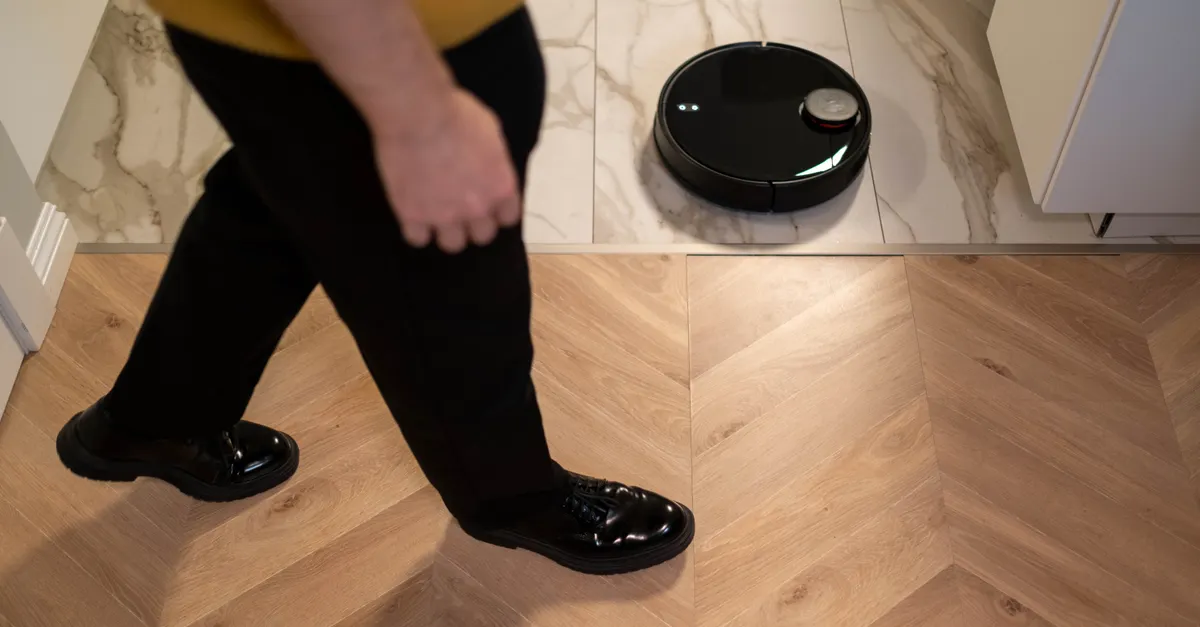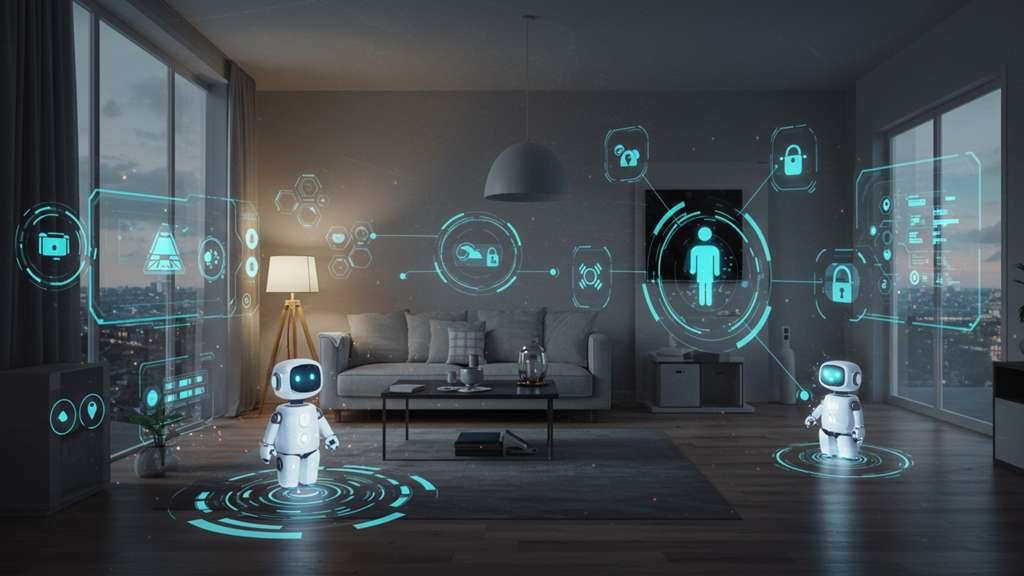
Artificial intelligence is quietly transforming the way people live and interact with their living spaces. From voice assistants that answer questions to thermostats that learn your preferences, today’s homes are becoming more responsive and efficient thanks to advanced technology. Understanding how AI works in smart homes can help homeowners make informed choices and get the most out of their connected devices.
In this guide, you’ll discover the basics of artificial intelligence in home automation, practical examples of its use, and how these systems make daily life more comfortable, secure, and energy-efficient. If you’re interested in sustainable living, you might also want to explore off-grid homestead sustainability tips for a broader perspective on home technology.
Understanding the Role of Artificial Intelligence in Home Automation
At its core, artificial intelligence in a connected home refers to software and algorithms that allow devices to learn, adapt, and make decisions with minimal human input. Unlike basic automation—such as a simple timer that turns lights on and off—AI-powered systems can analyze data, recognize patterns, and respond intelligently to changing conditions.
For example, a smart thermostat equipped with AI doesn’t just follow a preset schedule. It observes your daily routines, learns when you’re home or away, and automatically adjusts the temperature to save energy while keeping you comfortable. Over time, these systems become more accurate and efficient as they gather more information about your habits.
Key Technologies Behind Intelligent Home Systems
Several technologies work together to enable how AI works in smart homes and deliver a seamless experience:
- Machine Learning: This allows devices to learn from data and improve their performance over time. For instance, lighting systems can adjust brightness based on your preferences and the time of day.
- Natural Language Processing (NLP): Voice assistants like Alexa, Google Assistant, and Siri use NLP to understand and respond to spoken commands, making it easy to control devices hands-free.
- Computer Vision: Security cameras and smart doorbells use computer vision to recognize faces, detect motion, and even differentiate between people, pets, and vehicles.
- Sensor Integration: AI systems rely on data from sensors—such as temperature, humidity, light, and motion detectors—to make informed decisions and automate tasks.

Everyday Examples of AI-Driven Smart Home Devices
The practical benefits of artificial intelligence in residential settings are easy to spot. Here are some common examples of how these systems are used:
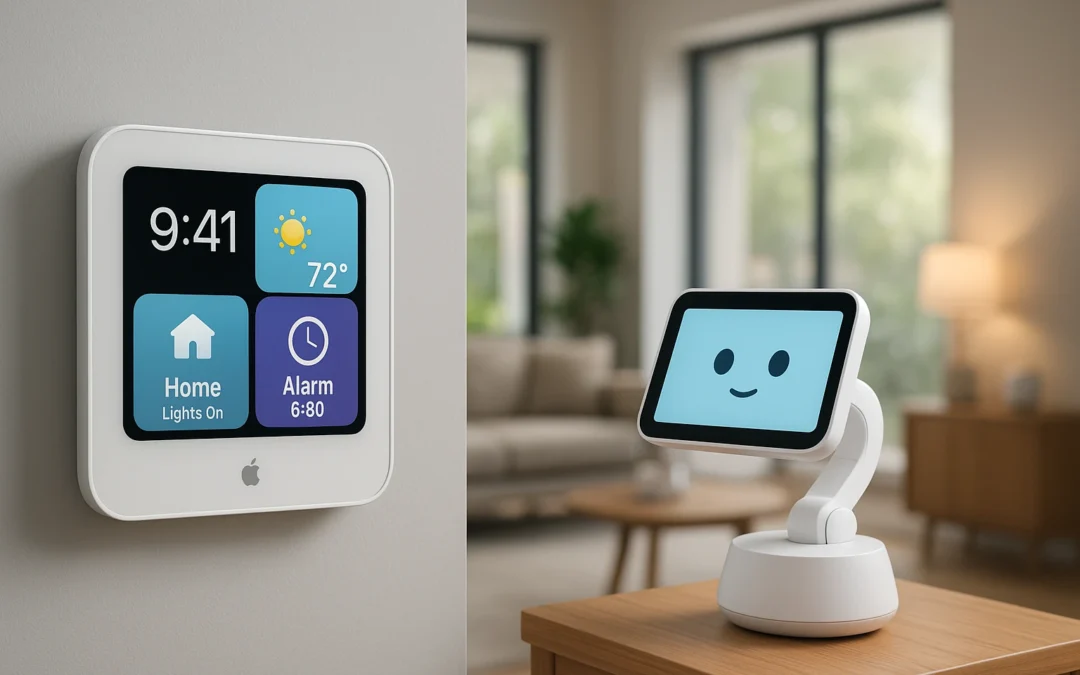
- Voice Assistants: Devices like Amazon Echo and Google Nest Hub can answer questions, play music, control other smart devices, and even help with shopping lists—all through simple voice commands.
- Smart Security: AI-powered cameras can distinguish between a family member and a stranger, send real-time alerts, and even trigger alarms or lock doors automatically.
- Lighting Control: Intelligent lighting systems can adjust brightness and color temperature based on the time of day, occupancy, or your mood.
- Appliance Management: Some refrigerators, washing machines, and ovens now use AI to optimize energy use, suggest recipes, or notify you when maintenance is needed.
- Entertainment: Smart TVs and projectors can recommend shows or movies based on your viewing habits, and even adjust picture and sound settings for the best experience.
How AI Enhances Comfort, Security, and Efficiency
One of the main reasons people adopt intelligent home technology is the promise of greater comfort, improved safety, and lower utility bills. Here’s how AI delivers on these benefits:
- Personalization: AI systems learn your routines and preferences, making adjustments automatically so your home always feels just right.
- Proactive Security: Instead of simply recording video, smart security devices can detect unusual behavior and alert you instantly, helping prevent break-ins or other issues.
- Energy Savings: By analyzing usage patterns and environmental data, AI can reduce waste—turning off lights in empty rooms or lowering the thermostat when no one is home.
- Remote Access and Automation: With mobile apps and cloud connectivity, you can monitor and control your home from anywhere, or set up routines that run automatically.
For those living in remote or off-grid locations, integrating smart technology can be especially valuable. Learn more about smart tech for off-grid homes to see how these systems can support self-sufficiency.
Privacy and Security Considerations
While the advantages of AI-powered homes are clear, it’s important to consider privacy and data security. These systems collect and process large amounts of personal information, from daily routines to voice recordings and video footage.
- Data Protection: Always choose devices from reputable brands that offer strong encryption and regular software updates.
- Access Controls: Set up strong passwords and enable two-factor authentication where possible to prevent unauthorized access.
- Transparency: Review privacy policies to understand how your data is used and stored, and adjust settings to limit sharing with third parties.
For a deeper dive into how artificial intelligence is changing home life, check out this in-depth article on AI transforming smart homes.
Future Trends in AI-Enabled Home Living
The evolution of intelligent home technology is ongoing. As AI algorithms become more sophisticated, expect even greater integration between devices, more accurate personalization, and improved energy management. Innovations like predictive maintenance, advanced health monitoring, and seamless connectivity with electric vehicles are on the horizon.
Homeowners interested in resilience and preparedness may also want to read about disaster preparedness for off-grid living, which highlights how technology can support safety and self-reliance.
FAQ
What Is the Main Benefit of Using AI in Home Automation?
The primary advantage is increased convenience and efficiency. AI-powered systems can automate daily tasks, learn your preferences, and help reduce energy consumption, making life easier and more comfortable.
Are AI-Driven Smart Home Devices Difficult to Set Up?
Most modern devices are designed for easy installation and setup. Many come with step-by-step instructions and user-friendly apps. However, integrating multiple devices or customizing advanced routines may require some technical know-how.
How Can I Protect My Privacy When Using AI in My Home?
To safeguard your data, choose products with robust security features, keep software updated, use strong passwords, and review privacy settings regularly. Limiting unnecessary data sharing and disabling features you don’t use can also help.
Can AI Help with Off-Grid or Sustainable Living?
Yes, intelligent systems can optimize energy use, monitor resources, and automate maintenance, making them valuable for those pursuing sustainability or living off the grid. Explore more about tropical off-grid homesteading for related insights.
As technology continues to advance, understanding the basics of how AI works in smart homes will empower you to make smarter choices and enjoy a more comfortable, secure, and efficient living environment.