Reliable internet access is no longer a luxury, even for those who choose to live far from urban centers. Whether you’re homesteading, running a remote business, or simply seeking a digital connection in the wilderness, finding the right off-grid internet solutions can make a significant difference in your daily life. This article explores the most effective ways to stay connected when traditional broadband isn’t available, covering satellite, cellular, and other innovative options for remote locations.
Before diving into the various technologies, it’s important to consider how internet connectivity fits into the broader context of sustainable and autonomous living. Many off-grid enthusiasts also invest in smart energy management and automation to maximize efficiency and comfort. For example, integrating ai battery management systems for homes can help optimize power usage for your internet equipment and other critical devices.
Understanding the Challenges of Remote Connectivity
Living off the grid presents unique obstacles for internet access. Dense forests, mountains, and vast distances from infrastructure can limit your choices. Power supply is another concern—your internet devices must run efficiently on solar, wind, or generator power. Weather conditions can also impact service quality, especially with satellite-based options.
Despite these hurdles, advances in technology have made it possible to achieve reliable connectivity almost anywhere. The key is to match your needs and location with the most suitable off-grid internet solutions.
Satellite Internet: A Popular Choice for Remote Areas
Satellite internet remains one of the most accessible options for those living far from cable or fiber networks. Providers like Starlink, HughesNet, and Viasat offer coverage in areas where other services can’t reach. These systems use a dish to communicate with satellites orbiting the Earth, delivering broadband speeds suitable for streaming, video calls, and general browsing.

Pros and Cons of Satellite-Based Connections
- Wide coverage: Works almost anywhere with a clear view of the sky.
- Decent speeds: Modern systems can deliver speeds over 100 Mbps.
- Self-installation: Some providers offer easy setup kits for DIY installation.
- Latency: Satellite signals travel long distances, resulting in higher ping times than cable or fiber.
- Weather sensitivity: Heavy rain or snow can temporarily disrupt service.
- Power requirements: Dishes and routers need a steady power source, so plan accordingly with your off-grid energy system.
Cellular Networks and Hotspots for Off-Grid Locations
Cellular internet is another practical solution for many remote dwellers. If you’re within range of a cell tower, you can use a mobile hotspot device or a router with a SIM card to create a Wi-Fi network. Many providers now offer unlimited or high-cap data plans tailored for rural and off-grid users.

Improving Cellular Signal Strength
Signal strength can be a challenge in remote areas. To boost your connection, consider these tips:
- Install a high-gain external antenna on your roof or a nearby pole.
- Use a signal booster to amplify weak cellular signals indoors.
- Choose a provider with the best coverage in your area—coverage maps can help you decide.
Cellular-based internet for off-grid living is often more affordable than satellite and can provide lower latency, making it suitable for video calls and online gaming.
Alternative and Hybrid Internet Options
Some remote residents combine multiple technologies to ensure continuous connectivity. For example, you might use satellite as a primary connection and cellular as a backup, or vice versa. Other creative solutions include:
- Fixed wireless: Some rural ISPs offer point-to-point wireless internet using antennas and line-of-sight towers.
- Community mesh networks: Groups of neighbors can share a single high-speed connection using wireless mesh technology.
- Long-range Wi-Fi: Directional antennas can extend Wi-Fi signals over several miles, useful if you have access to a distant hotspot or a friendly neighbor’s connection.
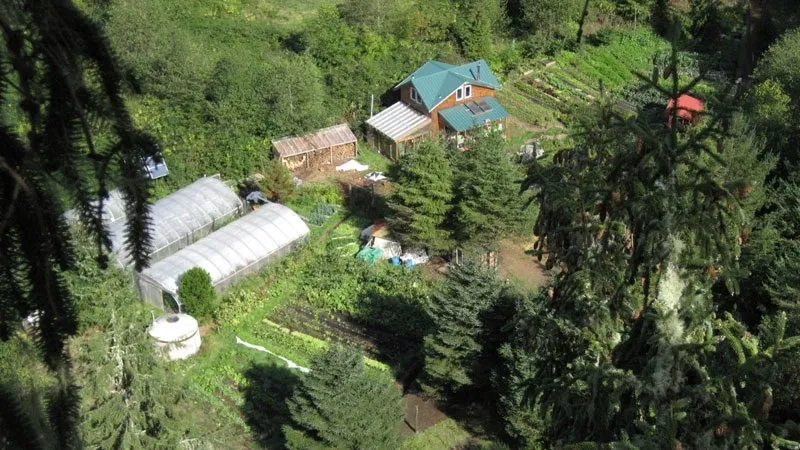
For those building a new homestead, it’s wise to plan your connectivity alongside your power and water systems. Resources like this guide to building an off-grid homestead offer valuable insights on integrating technology with sustainable living.
Powering Your Internet Equipment Off the Grid
All internet solutions require a reliable power source. Solar panels paired with batteries are the most common choice for off-grid homes, but wind and micro-hydro systems are also options. To maximize uptime and efficiency, consider using smart automation tools. For example, integrating ai home automation for energy storage can help prioritize power delivery to your modem and router during cloudy days or low-sun periods.
Here are some tips for powering your internet setup:
- Calculate the total wattage of your modem, router, and any boosters or antennas.
- Use energy-efficient devices whenever possible.
- Install surge protection to guard against lightning and power fluctuations.
- Monitor your battery levels and automate device shutdowns if power runs low.
Security and Privacy Considerations
Remote locations can be vulnerable to both physical and digital threats. Secure your network with strong passwords, enable encryption, and keep firmware updated. For added safety, consider integrating ai smart home disaster management systems to monitor for intrusions or environmental hazards.
Frequently Asked Questions
What is the most reliable internet option for remote areas?
Satellite internet is often the most widely available and reliable choice for locations far from cellular or cable infrastructure. However, if you have good cell coverage, a mobile hotspot or cellular router can offer faster speeds and lower latency.
How much power do I need to run off-grid internet equipment?
Most modems and routers use between 5 and 20 watts. If you add a satellite dish or signal booster, total consumption may rise to 50 watts or more. Calculate your daily usage and size your solar or battery system accordingly.
Can I use both satellite and cellular internet together?
Yes, many off-grid residents use a hybrid approach. This provides redundancy—if one service goes down due to weather or technical issues, the other can keep you connected.
Conclusion: Choosing the Right Solution for Your Needs
Staying connected while living off the grid is more achievable than ever. By understanding the strengths and limitations of satellite, cellular, and hybrid systems, you can select the best off-grid internet solutions for your unique situation. Don’t forget to plan your power supply, secure your network, and explore automation tools to make remote living both comfortable and efficient.