Building a resilient and eco-friendly homestead requires more than just growing food or raising animals. It’s about designing systems that work with nature, conserve resources, and support long-term self-sufficiency. The foundation for this approach is rooted in permaculture principles, which guide homesteaders in creating landscapes that are productive, regenerative, and harmonious with the environment.
Whether you’re starting from scratch or looking to improve your current setup, understanding and applying these concepts can transform your land into a thriving, sustainable ecosystem. This article explores the core ideas behind permaculture principles for homestead design, offering practical steps and examples to help you put them into practice.
For those interested in how technology is shaping independent living, you might find value in exploring AI devices for elderly living alone and their role in modern home care.
Understanding the Ethics and Foundations of Permaculture
At its core, permaculture is built on three ethical pillars: Earth Care, People Care, and Fair Share. These ethics guide every decision, from how you manage soil to how you interact with your community. By prioritizing the health of the land and the well-being of people, homesteaders can create systems that are not only productive but also equitable and enduring.
- Earth Care: Focuses on regenerating soil, conserving water, and protecting biodiversity.
- People Care: Ensures that the needs of individuals and families are met without exploitation.
- Fair Share: Encourages sharing surplus and setting limits to consumption, so resources are available for all.
These ethics are the lens through which all permaculture principles are applied, ensuring that every action supports the greater good.
Applying Permaculture Principles to Your Homestead
The twelve guiding principles of permaculture, developed by David Holmgren, provide a practical framework for designing sustainable homesteads. Here’s how some of these principles can be implemented in real-world settings:
Observe and Interact: Learning from Your Land
Before making changes, spend time observing your property. Notice how sunlight moves, where water collects, and which areas are most productive. This careful observation helps you make informed decisions, reducing wasted effort and resources.
Catch and Store Energy: Making the Most of Natural Resources
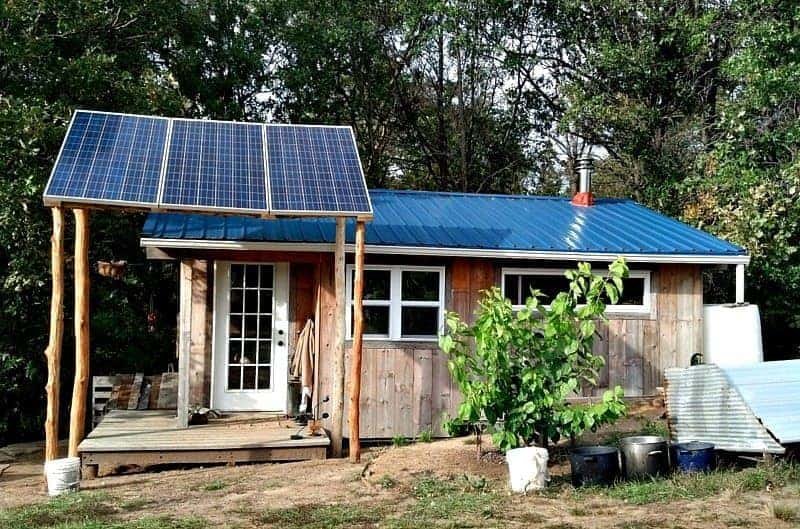
Harnessing energy—whether it’s sunlight, rainwater, or organic matter—is essential for a self-reliant homestead. Install rain barrels to collect water, use solar panels for electricity, and compost organic waste to build fertile soil. These actions reduce reliance on outside inputs and help buffer against shortages.
Obtain a Yield: Ensuring Productivity and Abundance
Every element on your property should serve multiple functions. Fruit trees provide food, shade, and habitat for beneficial insects. Chickens offer eggs, pest control, and manure for compost. By designing for abundance, you create a resilient system that meets your needs and supports local wildlife.
Design Strategies for a Regenerative Homestead
Thoughtful design is at the heart of permaculture principles homestead planning. Here are some strategies to help you get started:
- Zone Planning: Organize your land into zones based on how often you use them. Place daily-use areas like gardens and chicken coops close to your home, while less frequently visited areas (like woodlots) are farther away.
- Water Management: Use swales, ponds, and mulching to slow, spread, and sink water into the landscape. This prevents erosion and keeps soil moist during dry periods.
- Polyculture and Companion Planting: Grow a variety of crops together to mimic natural ecosystems. This increases resilience to pests and disease, improves soil health, and boosts yields.
- Integrate Rather Than Segregate: Connect elements so they support each other. For example, plant comfrey near fruit trees to provide mulch and nutrients, or let ducks patrol your garden for slugs.
For more background on the basics of homesteading, this overview of what to know about homesteading offers helpful context.
Building Soil Health and Biodiversity
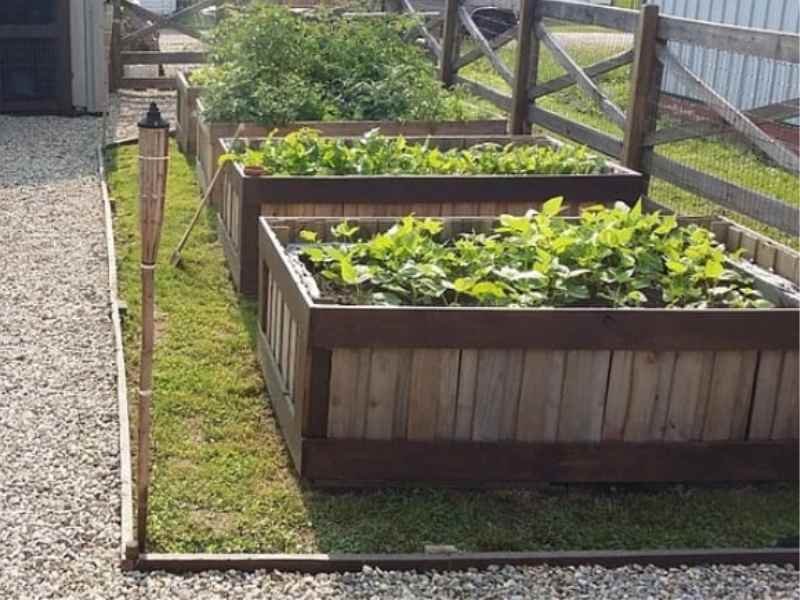
Healthy soil is the foundation of a productive homestead. Focus on practices that build organic matter, encourage beneficial microbes, and avoid chemical inputs. Techniques like sheet mulching, cover cropping, and rotational grazing all contribute to richer, more fertile ground.
Increasing biodiversity is another key aspect. Planting hedgerows, wildflower strips, and native trees attracts pollinators and natural pest predators, reducing the need for synthetic controls. Over time, a diverse landscape becomes more resilient to weather extremes and disease outbreaks.
Adapting and Evolving Your Homestead
One of the most valuable permaculture principles is to apply self-regulation and accept feedback. Monitor what works and what doesn’t, and be willing to adapt your design as conditions change. This might mean shifting garden beds, experimenting with new crops, or adjusting animal rotations.
Continual learning and flexibility are essential for long-term success. As your land matures, you’ll discover new opportunities to increase efficiency, reduce waste, and deepen your connection to the natural world.
Frequently Asked Questions
What are the main benefits of using permaculture principles on a homestead?
Applying these concepts leads to greater self-sufficiency, improved soil health, and reduced reliance on external resources. Homesteads designed with permaculture in mind are more resilient to climate changes and can produce food, fiber, and energy sustainably.
How do I start applying permaculture principles if I’m new to homesteading?
Begin by observing your land and identifying its unique features. Start small with projects like composting, mulching, or planting a diverse garden. Gradually incorporate more principles as you learn and gain confidence.
Can permaculture principles be used in urban or small-scale settings?
Absolutely. Even in small yards or community gardens, these ideas can help maximize productivity, conserve water, and build healthy soil. The principles are adaptable to any scale, from urban balconies to large rural properties.
Conclusion
Embracing permaculture principles homestead design is a practical way to create a more sustainable, productive, and enjoyable living environment. By working with nature and focusing on long-term regeneration, homesteaders can build systems that nourish both people and the planet for generations to come.