The rise of remote work off-grid has opened new possibilities for professionals seeking freedom from traditional office spaces. Whether you’re drawn to the tranquility of rural living, the sustainability of homesteading, or simply want to blend productivity with adventure, working remotely from an off-grid location is more achievable than ever. However, maintaining reliable connectivity and a functional workspace away from urban infrastructure presents unique challenges.
This guide explores practical strategies for staying connected, setting up your workspace, and thriving while working remotely in off-grid environments. We’ll cover essential tools, connectivity solutions, and lifestyle adjustments to help you make the most of your off-grid remote work journey.
If you’re interested in integrating advanced technology into your off-grid setup, check out ai home automation programming basics for insights on automating your homestead and optimizing energy use.
Why Choose an Off-Grid Remote Work Lifestyle?
Many professionals are opting for a lifestyle that combines remote work with off-grid living. The benefits include increased autonomy, reduced living expenses, and a closer connection to nature. For some, it’s about sustainability and self-sufficiency; for others, it’s about escaping the distractions of city life.
Off-grid living often involves generating your own power, managing water resources, and growing food. These activities can be deeply rewarding and align well with the flexibility of remote jobs. However, success depends on careful planning, especially when it comes to maintaining reliable internet and power for work.
Essential Connectivity Solutions for Off-Grid Workers
Staying connected is the cornerstone of any remote work off-grid setup. Here are the most effective ways to ensure you have the internet access you need:
- Cellular Data Hotspots: Many rural areas are now covered by 4G or even 5G networks. Investing in a dedicated hotspot device or using your phone as a hotspot can provide reliable internet, especially with an external antenna for signal boosting.
- Satellite Internet: Services like Starlink have revolutionized rural connectivity, offering high-speed internet in places where traditional providers don’t reach. While initial setup costs can be high, the monthly fees are often worth it for consistent access.
- Local ISPs and Fixed Wireless: Some remote regions have local internet service providers or fixed wireless options. These can be more affordable but may require line-of-sight to a transmission tower.
When choosing a solution, consider your work requirements. Video conferencing, large file uploads, and cloud-based collaboration tools all demand stable, high-speed connections. Test your options before committing, and always have a backup plan.

Powering Your Off-Grid Workspace
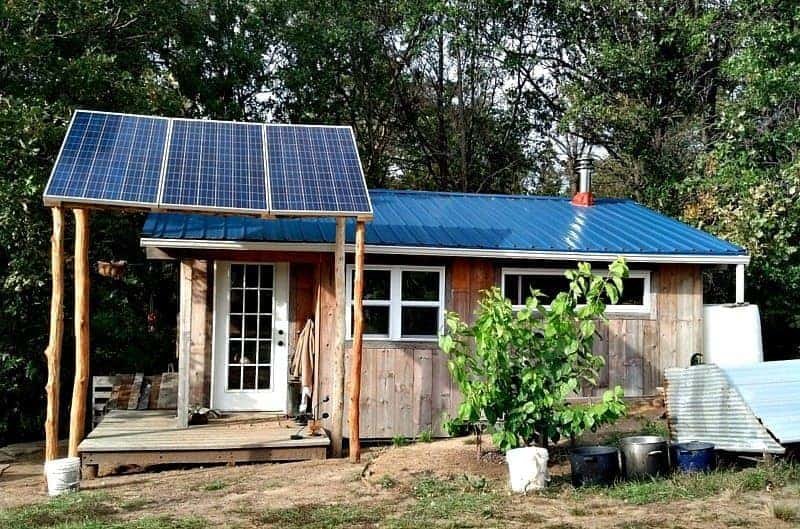
A stable power supply is crucial for off-grid remote work. Most off-grid setups rely on solar panels, sometimes supplemented by wind turbines or generators. Here are key considerations:
- Solar Power: Solar panels paired with a battery bank can provide all-day electricity for laptops, routers, and lights. Calculate your daily energy needs to size your system appropriately.
- Battery Storage: Invest in high-quality batteries to store excess energy for cloudy days or nighttime use. For more on optimizing your energy storage, see ai battery management systems for homes.
- Backup Generators: A small, fuel-efficient generator can be a lifesaver during extended periods of low sunlight or equipment failure.
Use energy-efficient devices and LED lighting to maximize your available power. Laptops generally use less energy than desktop computers, and modern routers are designed for low consumption.
Setting Up a Productive Workspace in Remote Locations
Creating a comfortable and ergonomic workspace is just as important off-grid as it is in a city apartment. Choose a spot with natural light, good airflow, and minimal distractions. If you’re working from a tiny home, cabin, or converted shed, invest in a sturdy desk and supportive chair.
Noise-cancelling headphones can help block out background sounds, especially if you share your space with others or live near livestock. Consider using a portable monitor for increased screen space, and keep your workspace organized to reduce stress.

Balancing Work and Off-Grid Living
One of the main attractions of this lifestyle is the chance to blend professional responsibilities with hands-on, sustainable living. Many off-grid workers grow their own food, raise animals, or build their own structures. This can be deeply satisfying, but it requires careful time management.
Set clear boundaries between work hours and homestead tasks. Use digital calendars and task lists to stay organized. If you’re interested in learning more about homesteading fundamentals, this homesteading overview provides a helpful introduction.
Remember to schedule downtime for rest and recreation. Off-grid living can be physically demanding, and burnout is a risk if you don’t take care of yourself.
Security and Safety for Remote Workers Off the Grid
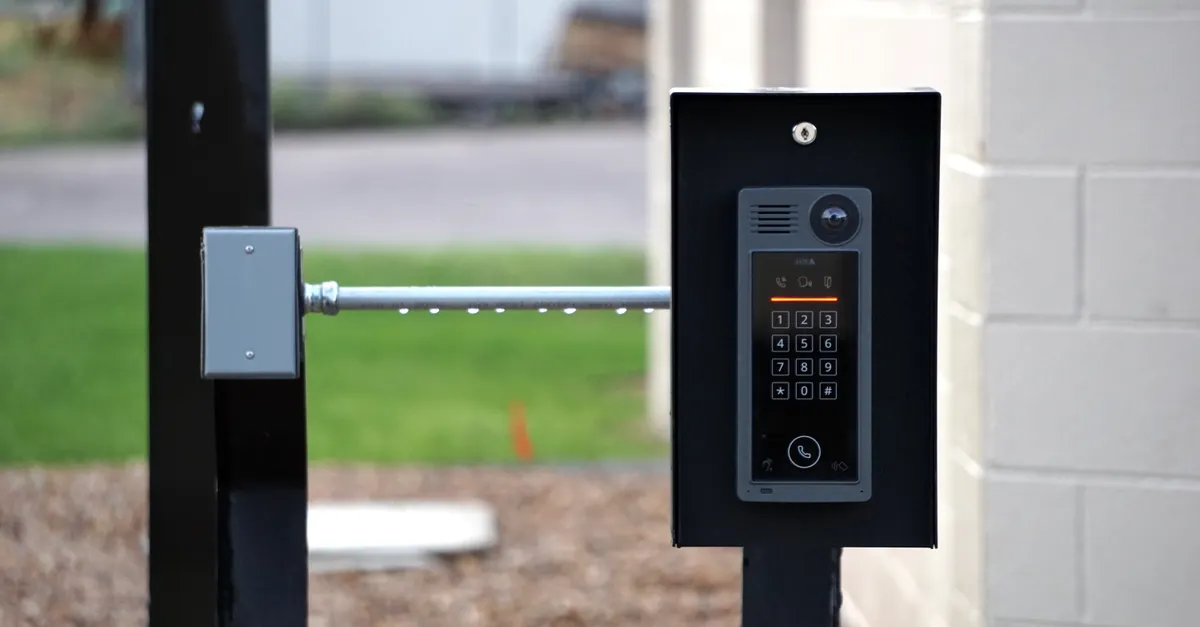
Living and working in remote locations comes with unique safety considerations. Reliable locks, motion-sensor lights, and security cameras can deter unwanted visitors. For those interested in advanced solutions, ai smart home disaster management systems can help monitor and protect your property.
Keep emergency supplies on hand, including first aid kits, backup power sources, and extra food and water. Make sure someone knows your location and check in regularly with friends or family.
Leveraging Technology for Smarter Off-Grid Work
Modern technology can make remote work off-grid more efficient and enjoyable. Smart home devices, solar-powered gadgets, and energy management tools can automate routine tasks and optimize your resource use. For instance, predictive analytics can help you plan energy consumption and anticipate maintenance needs. Learn more about these innovations in ai predictive analytics in smart homes.
Cloud-based apps allow you to collaborate with colleagues, manage projects, and store important files securely. Always keep local backups of critical documents in case of connectivity issues.
Frequently Asked Questions
What are the best internet options for off-grid remote work?
The most reliable options are satellite internet (such as Starlink), cellular data hotspots with signal boosters, and fixed wireless from local ISPs. The right choice depends on your location and data needs.
How can I ensure a stable power supply for working remotely off-grid?
Invest in a solar power system with adequate battery storage, and consider a backup generator for emergencies. Use energy-efficient devices to reduce your overall consumption.
Is it possible to balance homesteading and a remote job?
Yes, but it requires discipline and planning. Set clear work hours, use digital tools for organization, and don’t hesitate to seek advice from experienced off-grid professionals or homesteaders.
Conclusion
Embracing remote work off-grid offers a unique blend of freedom, sustainability, and productivity. With the right connectivity solutions, power setup, and workspace design, you can enjoy the best of both worlds—professional achievement and a rewarding, self-sufficient lifestyle. As technology continues to advance, the possibilities for working from anywhere will only expand, making off-grid living more accessible for remote professionals everywhere.