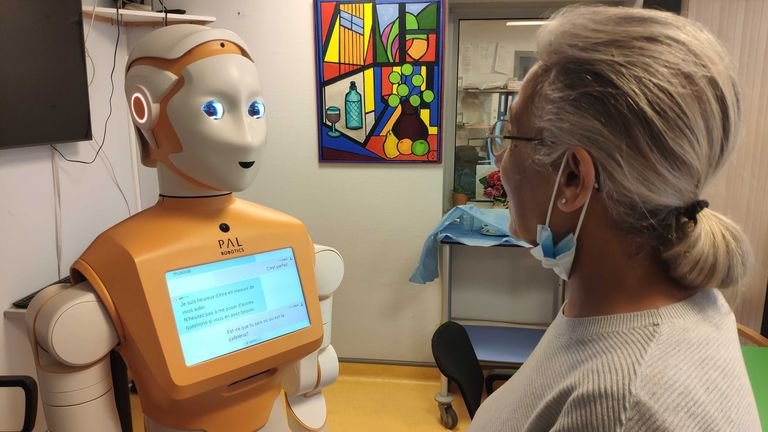
As the global population ages, addressing social isolation among seniors has become a growing concern. Many older adults experience loneliness due to reduced mobility, loss of loved ones, or limited social interactions. In recent years, robot companions for loneliness have emerged as a promising solution to help improve emotional well-being and provide meaningful engagement for elderly individuals.
These advanced devices are designed not only to offer company but also to support daily living, encourage mental stimulation, and foster a sense of connection. By blending artificial intelligence with user-friendly interfaces, robotic companions are reshaping how we approach elder care and emotional support.
For those interested in how artificial intelligence is transforming home environments, you may also want to explore AI remote home monitoring and its benefits for independent living.
Understanding Social Isolation in Older Adults
Loneliness among seniors is more than just an emotional issue—it can have significant impacts on both physical and mental health. Studies have linked chronic isolation to increased risks of depression, cognitive decline, heart disease, and even premature mortality. Traditional interventions, such as community programs and family visits, are valuable but may not always be accessible or sufficient.
The need for innovative approaches has led to the development of robot companions for loneliness, which aim to supplement human interaction and provide continuous support. These technologies are not intended to replace personal relationships but to enhance quality of life when other forms of companionship are limited.
How Robotic Companions Address Loneliness
Robotic companions come in various forms, from animal-inspired designs to humanoid assistants. Their primary goal is to interact with users in ways that feel natural and comforting. Here are some of the core features that make them effective:
- Conversational Abilities: Many robots use natural language processing to engage in simple conversations, answer questions, and respond to emotional cues.
- Reminders and Assistance: They can help with medication schedules, appointments, and daily routines, reducing anxiety and promoting independence.
- Entertainment and Engagement: Some devices play music, tell stories, or offer games and puzzles to stimulate cognitive function.
- Physical Presence: Even without advanced AI, the mere presence of a responsive device can provide comfort and reduce feelings of isolation.

Types of Robot Companions for Loneliness
The market for robotic companions has expanded rapidly, offering a range of options tailored to different needs and preferences. Some popular categories include:
- Pet-Like Robots: Devices such as robotic cats, dogs, or seals are designed to mimic the behavior and appearance of real animals. They provide comfort through tactile feedback and gentle movements, making them especially appealing for those who miss having pets.
- Humanoid Assistants: These robots feature human-like faces or bodies and can perform more complex interactions, such as holding conversations, recognizing emotions, and even learning user preferences over time.
- Specialized Care Robots: Some models are equipped with sensors and AI to monitor health metrics, detect falls, or alert caregivers in emergencies, adding an extra layer of safety.
Choosing the right companion depends on the individual’s comfort level with technology, specific needs, and personal interests. For those interested in integrating more smart technology into their living spaces, resources on AI battery management systems for homes can offer additional insights.
Benefits of Robotic Companions for Emotional Well-Being
The advantages of using robot companions for loneliness extend beyond simple interaction. Research and real-world applications have highlighted several key benefits:
- Reduced Feelings of Isolation: Regular engagement with a companion robot can help seniors feel less alone, especially when family or friends are far away.
- Improved Mood and Mental Health: Positive interactions, reminders, and entertainment features contribute to better emotional states and can help manage symptoms of depression or anxiety.
- Encouragement of Routine: By assisting with daily schedules and activities, these devices promote consistency and independence.
- Enhanced Safety: Some robots can detect emergencies or health issues, providing peace of mind for both users and their families.

Challenges and Considerations When Adopting Robotic Companions
While the benefits are significant, there are also important factors to consider before adopting a robotic companion for an elderly loved one:
- Privacy and Security: Many devices collect data to personalize interactions. It’s crucial to understand how information is stored and used, and to choose products with robust privacy protections.
- Ease of Use: Seniors may have varying levels of comfort with technology. Selecting a robot with an intuitive interface and clear instructions is essential for successful adoption.
- Cost: Advanced robotic companions can be expensive. It’s important to weigh the features against the budget and consider long-term value.
- Human Connection: While robots can provide valuable support, they should not replace meaningful human relationships. Regular contact with family, friends, and caregivers remains vital.
For a deeper look at how artificial intelligence is shaping senior care, this overview of AI in assisted living and memory care provides expert perspectives and future trends.
Integrating Robot Companions Into Daily Life
Successfully introducing a robot companion involves more than just purchasing a device. Here are some practical steps to ensure a positive experience:
- Assess Individual Needs: Consider the user’s preferences, daily routines, and any specific challenges they face.
- Start Gradually: Allow time for adjustment. Begin with simple interactions and gradually explore more features as comfort increases.
- Encourage Engagement: Family members and caregivers can participate in setup and training, making the transition smoother and more enjoyable.
- Monitor and Adapt: Regularly check how the user is interacting with the robot and make adjustments as needed to maximize benefits.
Integrating smart technologies can further enhance safety and comfort in the home. For example, learning about AI occupancy detection in homes can help families monitor well-being remotely.
Future Directions for AI and Elder Care
The field of robotic companions is evolving rapidly. Advances in artificial intelligence, machine learning, and sensor technology are making these devices more responsive, empathetic, and adaptable. Future developments may include:
- Greater personalization based on user habits and preferences
- Integration with other smart home devices for seamless support
- Improved emotional recognition and adaptive communication
- Expanded health monitoring and proactive wellness features
As these innovations continue, the potential for robot companions for loneliness to transform elder care and emotional well-being will only grow.
Frequently Asked Questions
Are robot companions safe for seniors to use?
Most modern robotic companions are designed with safety in mind. They often include features such as emergency alerts, fall detection, and secure data handling. It’s important to review product specifications and privacy policies before making a choice.
Can these devices replace human caregivers?
While robot companions can provide valuable support and reduce feelings of isolation, they are not a substitute for human care. They work best as a supplement to regular contact with family, friends, and professional caregivers.
How do I choose the right robotic companion for my loved one?
Consider the individual’s needs, comfort with technology, and desired features. Look for devices with intuitive controls, relevant functions, and positive user reviews. Consulting with healthcare professionals can also help guide the decision.