
As the population ages, families and caregivers are increasingly turning to smart home technology for elderly individuals to support independence, safety, and comfort. Modern connected devices are transforming daily life for older adults, offering solutions that address mobility challenges, health monitoring, and peace of mind for loved ones. This article explores how these innovations are making homes safer and smarter for seniors, the key features to look for, and practical tips for choosing and implementing the right solutions.
Whether you’re a family member, caregiver, or senior interested in aging in place, understanding the benefits and options available can help you make informed decisions. For those interested in the technical side of automation, you may also want to learn about ai home automation programming basics to better understand how these systems work together.
How Connected Devices Enhance Safety and Independence
One of the main advantages of smart home solutions for seniors is the ability to create a safer living environment. Devices such as smart sensors, cameras, and voice assistants can help prevent accidents, monitor health, and provide immediate assistance in emergencies.
- Fall detection sensors can automatically alert caregivers or emergency services if a fall is detected, reducing response times and improving outcomes.
- Smart door locks and video doorbells allow seniors to see and communicate with visitors without opening the door, enhancing security and convenience.
- Automated lighting systems can reduce the risk of trips and falls by ensuring pathways are always well-lit, especially at night.
- Voice-activated assistants make it easier for those with limited mobility or dexterity to control devices, make calls, or get reminders for medications and appointments.
These features not only support independent living but also provide reassurance to family members who may not be able to check in as often as they’d like.
Top Smart Home Devices for Seniors
Choosing the right technology depends on individual needs and preferences. Here are some of the most popular and effective devices designed to support older adults:
- Medical alert systems with fall detection and GPS tracking provide immediate help at the push of a button, both inside and outside the home.
- Smartwatches tailored for seniors can monitor heart rate, track steps, and send alerts if unusual activity is detected.
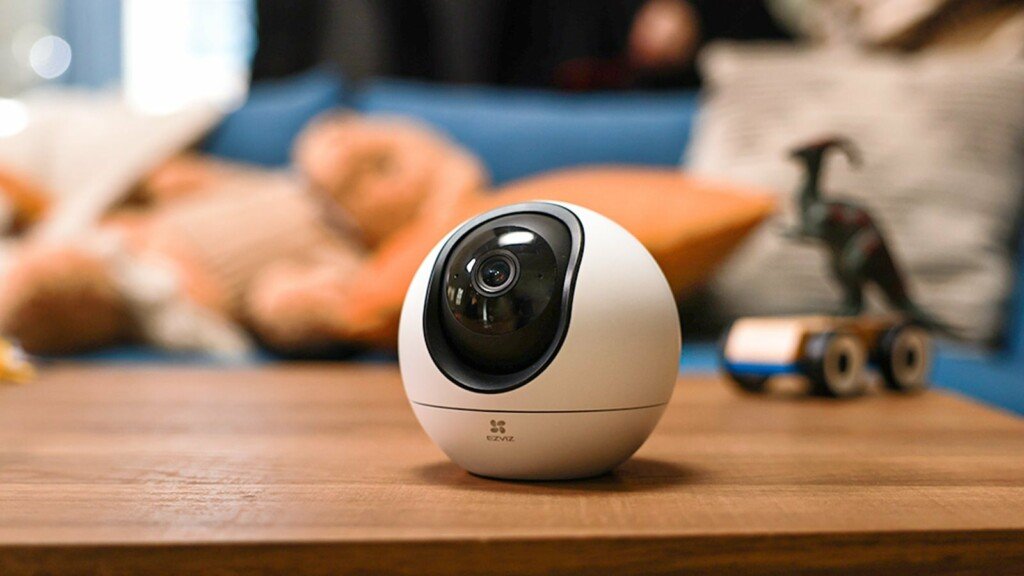
- Indoor cameras enable family members or caregivers to check in remotely, ensuring the well-being of loved ones while respecting privacy.
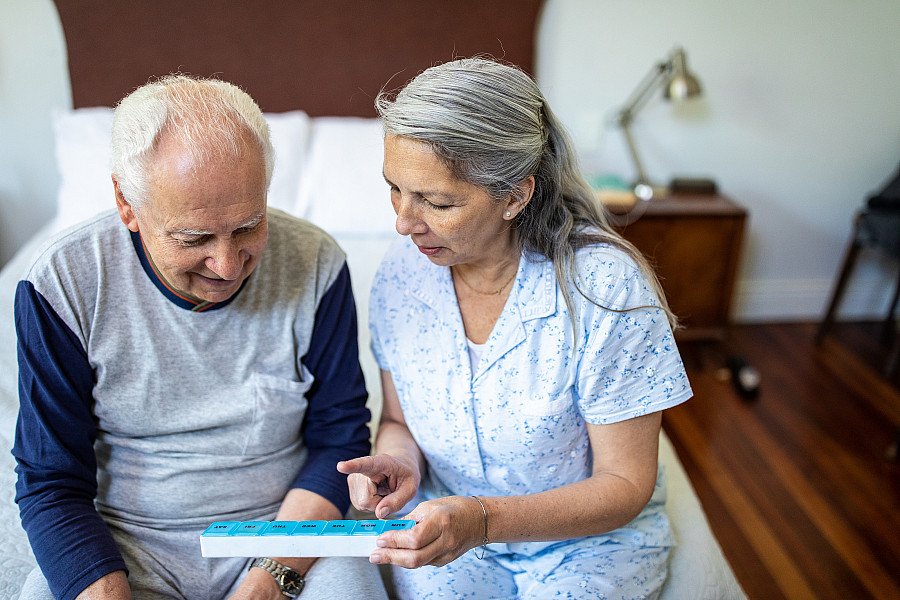
- Medication dispensers with reminders help seniors stay on track with prescriptions, reducing the risk of missed doses or medication errors.
- Environmental sensors can detect smoke, carbon monoxide, or water leaks, sending alerts to both the resident and designated contacts.
When selecting devices, consider ease of use, compatibility with existing systems, and the ability to customize alerts and notifications.
Integrating Smart Home Technology for Elderly Needs
Effective integration is key to maximizing the benefits of connected devices. Many products can be managed through a central hub or smartphone app, allowing for seamless control and monitoring. For those interested in optimizing energy use or backup power, exploring ai battery management systems for homes can further enhance efficiency and reliability.
Here are some steps to ensure a smooth setup:
- Assess individual needs: Identify which daily tasks or safety concerns could be improved with automation or monitoring.
- Choose compatible devices: Select products that work together and can be managed from a single platform, reducing complexity.
- Involve the user: Make sure seniors are comfortable with the technology, providing training and support as needed.
- Test and adjust: Regularly review settings, alerts, and device placement to ensure optimal performance and user satisfaction.
It’s also important to consider privacy and data security. Many devices offer customizable privacy settings, allowing users to control who has access to video feeds or health data.

Benefits for Caregivers and Families
For caregivers and family members, smart home technology for elderly care offers significant peace of mind. Real-time alerts, remote monitoring, and automated reminders reduce the need for constant check-ins and allow for more flexible support. These tools can also help coordinate care among multiple family members or professional caregivers, ensuring everyone stays informed and connected.
In addition to safety and convenience, some systems leverage advanced analytics to identify patterns or changes in behavior that may indicate emerging health issues. For more on how artificial intelligence is shaping elderly care, see this detailed overview of AI in elderly care.
Addressing Common Concerns and Challenges
While the benefits are clear, some seniors and families may have concerns about privacy, cost, or the complexity of new technology. Here are a few tips to address these challenges:
- Start small: Begin with one or two devices, such as a smart speaker or automated lights, to build confidence and familiarity.
- Prioritize user-friendly products: Look for devices with simple interfaces, large buttons, and clear instructions.
- Review privacy settings: Adjust permissions and data sharing options to fit comfort levels.
- Explore financial assistance: Some insurance plans or community programs may help offset costs for essential safety devices.
With thoughtful planning and the right support, most older adults can enjoy the benefits of a connected home without feeling overwhelmed.
Future Trends in Senior-Focused Smart Homes
The landscape of smart home technology for elderly residents is rapidly evolving. Artificial intelligence and predictive analytics are enabling even more personalized and proactive care. For example, systems can now learn daily routines and send alerts if unusual activity is detected, helping to catch potential issues early. To dive deeper into these trends, you might want to explore ai predictive analytics in smart homes for a look at how data-driven insights are shaping the future of aging in place.
As technology continues to advance, expect to see even more intuitive, integrated, and affordable solutions designed specifically for the needs of older adults and their families.
Frequently Asked Questions
What are the most important smart home features for seniors?
The most valuable features include fall detection, emergency alert systems, automated lighting, voice-activated controls, and remote monitoring. These tools support independence, safety, and easy communication with caregivers.
How can I help an elderly loved one get comfortable with new technology?
Start with simple devices, provide hands-on demonstrations, and choose products designed for ease of use. Involving seniors in the setup process and offering ongoing support can boost confidence and adoption.
Are smart home devices secure and private?
Most reputable devices offer customizable privacy and security settings. It’s important to review permissions, use strong passwords, and keep software updated to protect personal information and ensure safe operation.