
Modern kitchens are more than just places to cook—they’re gathering spots, homework stations, and sometimes even home offices. The right lighting transforms these spaces, making them both functional and inviting. This smart lighting for kitchen guide explores how connected lighting solutions can help you achieve perfect task visibility and set the mood for any occasion.
Whether you’re prepping dinner, entertaining guests, or enjoying a quiet cup of coffee, smart lighting lets you tailor brightness, color, and ambiance with just a tap or a voice command. With so many options available, it’s important to understand how to choose and configure lighting that meets your needs. For those interested in optimizing other rooms, you might also find inspiration in smart lighting for bedroom ideas.
Why Choose Connected Lighting for Kitchens?
Integrating smart lighting into your kitchen brings a host of advantages. Unlike traditional fixtures, these systems offer flexibility, energy savings, and customization. Here’s why many homeowners are making the switch:
- Convenience: Adjust lights remotely or automate schedules for daily routines.
- Energy Efficiency: Many smart bulbs use less power and can be dimmed or turned off automatically when not needed.
- Personalization: Set different scenes for cooking, dining, or relaxing with adjustable brightness and color temperature.
- Integration: Connect with other smart home devices, such as voice assistants or security systems.
For a deeper dive into the environmental benefits of these technologies, see our article on smart lighting environmental impact.
Types of Smart Kitchen Lighting
There are several categories of intelligent lighting to consider for your kitchen. Each serves a distinct purpose, and combining them can create a layered effect that enhances both function and style.
Task Lighting: Focused Illumination Where You Need It
Task lighting is essential for areas where you chop, cook, or read recipes. Under-cabinet LED strips, adjustable spotlights, and pendant lights over islands are popular choices. With smart controls, you can:
- Increase brightness for food prep
- Dim lights for late-night snacks
- Set schedules so lights turn on as you enter the kitchen
Mood Lighting: Setting the Ambiance
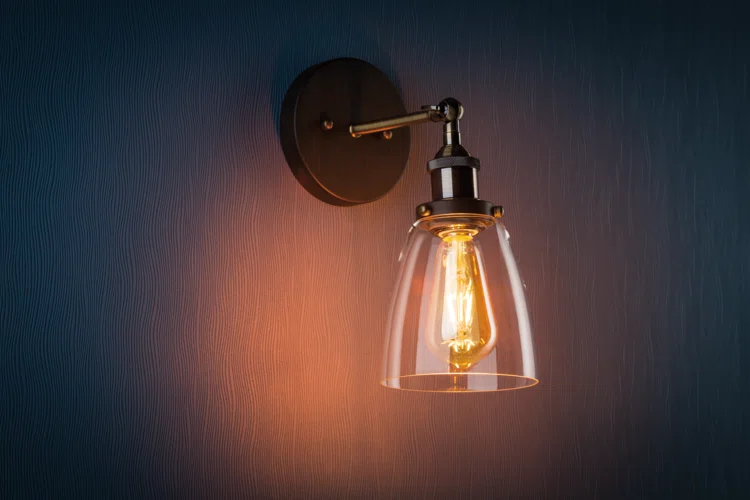
Beyond functionality, lighting can influence how your kitchen feels. Smart bulbs and strips allow you to adjust color temperature and even select from millions of hues. Some ways to use mood lighting include:
- Warm tones for cozy family dinners
- Cool whites for a crisp, modern look
- Accent colors for parties or holidays
By programming scenes, you can switch from bright task lighting to a softer, more relaxing glow with a single command. This flexibility is one of the main reasons people turn to smart lighting for their kitchen spaces.
How to Plan Your Kitchen Lighting Layout
Effective kitchen lighting is all about layering. A well-designed setup combines overhead, task, and accent lights for a balanced effect. Here’s a step-by-step approach:
- Identify work zones: Map out where you need the most light—such as countertops, sinks, and stoves.
- Choose fixture types: Mix recessed lights, pendants, and under-cabinet strips for comprehensive coverage.
- Integrate smart controls: Decide which lights should be grouped or automated for different activities.
- Consider color temperature: Use cooler whites for task areas and warmer tones for dining or relaxing.
For more tips on maximizing efficiency and automation, check out our energy efficient lighting automation tips.
Key Features to Look for in Kitchen Smart Lighting
When selecting products, consider these important features to ensure your kitchen lighting meets both practical and aesthetic needs:
- Dimmability: Adjust brightness levels for different tasks and moods.
- Color Changing: Choose fixtures that offer tunable white and full RGB color options.
- Voice Control: Integration with Alexa, Google Assistant, or Siri for hands-free operation.
- Scheduling: Automate lights to turn on or off based on time of day or occupancy.
- Grouping: Control multiple lights together for seamless scene changes.
- Energy Monitoring: Some systems let you track power usage for greater efficiency.
For a side-by-side look at how connected lighting stacks up against traditional options, visit our smart lighting power usage comparison resource.
Installation and Setup Tips
Most smart lighting products are designed for easy installation, but a few best practices can help you get the most out of your system:
- Start with a starter kit that includes a hub and several bulbs or strips.
- Follow manufacturer instructions for pairing devices with your home Wi-Fi or Zigbee network.
- Use the app to assign lights to specific rooms and create scenes for different activities.
- Test voice commands and automations to ensure everything works as intended.
For more information on the benefits of these systems, see this comprehensive overview of smart lighting advantages.
Common Mistakes to Avoid
While upgrading your kitchen with smart lighting is straightforward, there are a few pitfalls to watch out for:
- Overlooking compatibility with existing switches or fixtures
- Ignoring Wi-Fi coverage in the kitchen area
- Failing to plan for layered lighting (using only overhead lights)
- Not grouping lights for easy control
Taking the time to plan your setup and test configurations will help you avoid these issues and enjoy a seamless experience.
FAQ
What Are the Main Benefits of Using Smart Lighting in the Kitchen?
Smart lighting offers convenience, energy savings, and the ability to customize brightness and color for different activities. It also integrates with other smart home devices for added automation and control.
Can I Retrofit My Existing Kitchen Lights with Smart Bulbs?
Yes, most smart bulbs are designed to fit standard sockets. For under-cabinet or specialty lighting, look for compatible smart strips or fixtures. Always check compatibility with your current wiring and switches.
How Do I Control My Kitchen Lights Remotely?
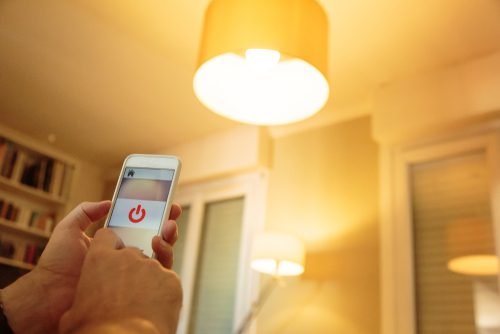
You can use a smartphone app, voice assistant, or even automate schedules so your lights adjust automatically. Many systems also allow control from outside the home, as long as you have an internet connection.
Are Smart Kitchen Lights Energy Efficient?
Most smart bulbs use LED technology, which is more efficient than incandescent or halogen options. Features like dimming, scheduling, and occupancy sensors further reduce energy consumption.
What If My Wi-Fi Goes Down—Will My Lights Still Work?
Basic on/off functionality often remains available via physical switches. However, remote control and automation features may be limited until connectivity is restored. Some systems use Zigbee or other protocols that can operate independently of Wi-Fi.