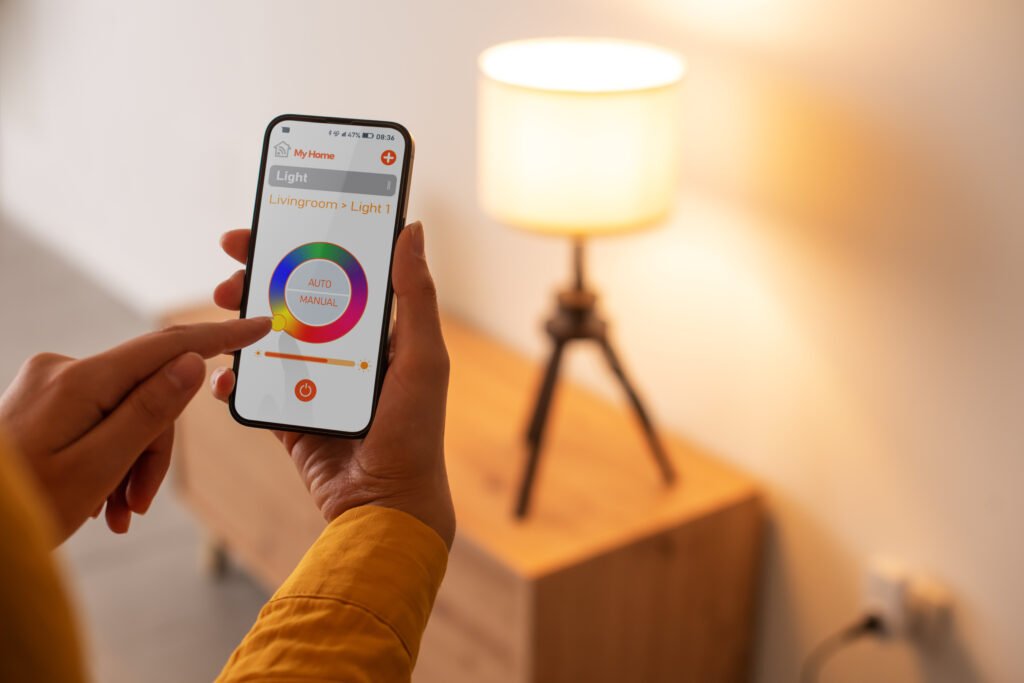
The smart lighting industry developments are rapidly transforming how homes, businesses, and cities illuminate their spaces. Driven by advances in connectivity, automation, and energy efficiency, the sector is experiencing a wave of innovation that is setting new benchmarks for performance and interoperability. As manufacturers and standards bodies collaborate, new protocols and frameworks are emerging to ensure devices work seamlessly together, paving the way for smarter, more sustainable environments.
For anyone interested in the evolution of intelligent lighting, understanding the latest technical standards and industry shifts is essential. Whether you’re a homeowner, facility manager, or technology enthusiast, staying informed about these changes will help you make better decisions when upgrading or specifying lighting systems. To further explore upcoming innovations, see our guide on the future of smart lighting technology.
Key Drivers Behind Modern Smart Lighting Standards
Several factors are fueling the evolution of technical standards in the connected lighting sector. The push for interoperability, energy savings, and enhanced user experience has encouraged the adoption of unified protocols and open ecosystems. Here are some of the main drivers:
- Interoperability: Consumers and businesses want devices from different brands to work together. This demand has led to the rise of universal standards like Matter and Zigbee.
- Energy Efficiency: Regulations and sustainability goals are pushing manufacturers to design products that use less power and support advanced control strategies, such as daylight harvesting and occupancy sensing.
- Security and Privacy: As lighting becomes part of the broader Internet of Things (IoT), robust cybersecurity and data privacy measures are now essential. For more on this, see our article on smart lighting data privacy explained.
- User Experience: Voice control, automation, and integration with other smart home systems are now standard expectations, requiring new communication protocols and APIs.
Emerging Protocols and Frameworks in Connected Lighting
The landscape of smart lighting industry developments is shaped by a handful of key protocols and frameworks. These standards are designed to ensure compatibility, security, and scalability across a diverse range of devices and platforms.
Matter: The New Universal Standard
Matter, developed by the Connectivity Standards Alliance (CSA), is quickly becoming the go-to protocol for smart home devices, including lighting. Its goal is to simplify setup and guarantee that products from different brands can communicate reliably. Matter supports Wi-Fi, Thread, and Ethernet, making it flexible for various environments.
For consumers, this means easier installation and greater choice. For manufacturers, it reduces the complexity of supporting multiple platforms. As more lighting products become Matter-certified, expect to see increased reliability and future-proofing in new installations.
Zigbee and Z-Wave: Established Wireless Solutions
Zigbee and Z-Wave remain popular for wireless lighting control, especially in larger homes and commercial spaces. These protocols offer mesh networking, allowing devices to relay signals and extend coverage. While Matter is gaining ground, Zigbee and Z-Wave continue to be supported by a wide range of hubs and devices, ensuring backward compatibility for existing systems.
DALI and KNX: Commercial and Industrial Integration
For larger buildings and infrastructure projects, protocols like DALI (Digital Addressable Lighting Interface) and KNX provide robust, scalable solutions. These standards enable centralized control, advanced scheduling, and integration with building management systems. They are essential for projects where reliability, scalability, and compliance are critical.
Recent Innovations Shaping the Smart Lighting Sector
In addition to new protocols, several technological advancements are influencing the direction of connected lighting. These innovations are improving efficiency, flexibility, and user engagement:
- Adaptive Lighting: Systems can now adjust color temperature and brightness automatically based on time of day or user activity, supporting wellness and productivity.
- AI-Powered Automation: Artificial intelligence is being used to learn user preferences and optimize lighting schedules, reducing manual intervention.
- Integration with IoT Ecosystems: Lighting is increasingly part of broader smart home and building management systems, enabling coordinated control with HVAC, security, and entertainment devices.
- Wireless Retrofits: New wireless modules and battery-powered switches make it easier to upgrade legacy lighting without extensive rewiring.
For a deeper dive into upcoming trends, check out our resource on smart lighting trends explained.
Benefits of Adopting the Latest Lighting Standards
Switching to lighting systems that comply with the newest standards offers several advantages for both residential and commercial users:
- Seamless Integration: Devices from different brands can work together, reducing vendor lock-in and simplifying future upgrades.
- Enhanced Security: Modern protocols incorporate robust encryption and authentication, protecting networks from unauthorized access. For more on safeguarding your setup, see our guide on smart lighting cybersecurity basics.
- Energy Savings: Advanced controls and automation help reduce energy consumption, supporting sustainability goals and lowering utility bills.
- Improved User Experience: Features like voice control, adaptive lighting, and remote access make systems more convenient and accessible.
Additionally, the adoption of open standards helps future-proof investments, ensuring that new devices and features can be added without major system overhauls.

Challenges and Considerations in Adopting New Standards
While the benefits are clear, there are also challenges to consider when implementing the latest lighting standards:
- Compatibility: Not all legacy devices support new protocols, which may require adapters or replacement of older hardware.
- Network Stability: Reliable Wi-Fi or mesh networking is essential for consistent performance. For tips on maintaining robust connections, see our advice on smart lighting network stability tips.
- Cost: Upgrading to the latest systems can involve upfront investment, though this is often offset by long-term savings and improved functionality.
- Security Risks: As with all IoT devices, keeping firmware updated and following best practices is crucial to prevent vulnerabilities.
Careful planning and consultation with qualified professionals can help mitigate these challenges, ensuring a smooth transition to smarter, more efficient lighting.
How New Standards Impact Consumers and Businesses
For homeowners, the shift toward universal standards means more choice and easier setup. Devices can be added or replaced without worrying about compatibility, and features like voice control and automation are more accessible than ever. Businesses and facility managers benefit from streamlined maintenance, centralized control, and the ability to integrate lighting with other building systems for improved efficiency and security.
Municipalities and city planners are also leveraging these advancements to deploy smart street lighting, which can reduce energy use, lower maintenance costs, and improve public safety. For a comprehensive overview of the advantages, see this analysis of smart lighting benefits.
FAQ
What is the Matter standard and why is it important for smart lighting?
Matter is a new connectivity standard designed to ensure that smart home devices, including lighting, work together seamlessly regardless of brand. It simplifies setup, improves reliability, and helps future-proof your investment by supporting a wide range of platforms and ecosystems.
How do new lighting standards improve energy efficiency?
Modern standards enable advanced features like occupancy sensing, daylight harvesting, and adaptive scheduling. These capabilities help reduce unnecessary energy use, contributing to lower utility bills and supporting sustainability goals.
Are older smart lighting products compatible with the latest protocols?
Some legacy devices may require adapters or may not support new standards like Matter. However, many manufacturers are releasing firmware updates or bridge devices to enable compatibility. It’s important to check product documentation or consult with a professional before upgrading.