The way we illuminate our homes and workplaces is undergoing a rapid transformation. Driven by advances in connectivity, automation, and energy efficiency, smart lighting systems are reshaping how we interact with light. This smart lighting innovation overview explores the latest trends, technologies, and practical benefits of intelligent lighting solutions, helping you understand what’s possible today and what’s on the horizon.
From voice-activated bulbs to adaptive lighting scenes, the integration of smart technology into everyday lighting has made it easier than ever to customize and control our environments. Whether you’re seeking greater convenience, improved energy savings, or enhanced ambiance, the innovations in this field offer something for everyone.
For those interested in deeper technical trends, the future of smart lighting technology article provides a broader look at upcoming breakthroughs and industry shifts.
Key Features of Modern Intelligent Lighting
Today’s smart lighting systems go far beyond simple on/off switches. They incorporate a range of advanced features designed to make lighting more adaptive, efficient, and user-friendly. Here are some of the most notable capabilities:
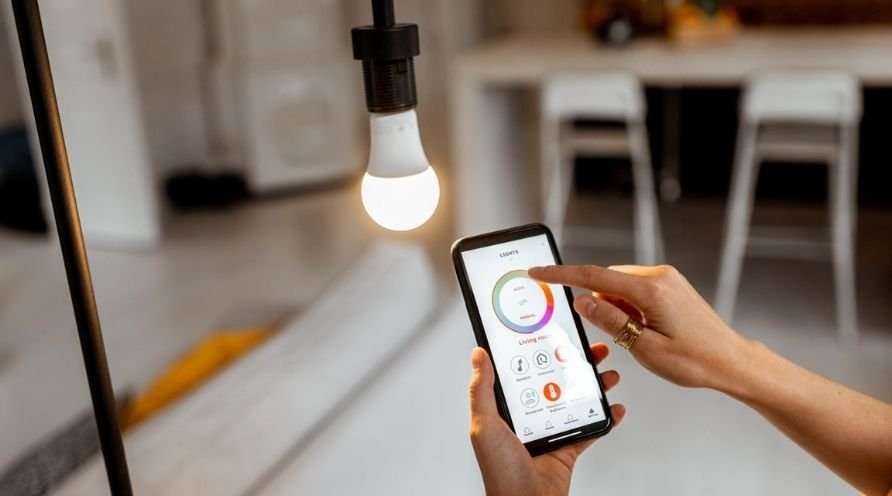
- Remote Control and Automation: Use mobile apps, voice assistants, or schedules to manage lights from anywhere.
- Customizable Scenes: Set different lighting moods for activities like reading, dining, or relaxing with a single tap or command.
- Energy Monitoring: Track usage and optimize settings for maximum efficiency.
- Integration with Other Smart Devices: Connect lighting to sensors, thermostats, and security systems for a seamless smart home experience.
- Adaptive Brightness and Color: Adjust color temperature and brightness automatically based on time of day or user preference.
These features not only enhance comfort and convenience but also contribute to energy conservation and improved well-being.
How Smart Lighting Works: Technology Behind the Scenes
The backbone of intelligent lighting is a combination of wireless communication protocols, sensors, and cloud-based controls. Most systems use Wi-Fi, Zigbee, Z-Wave, or Bluetooth to connect bulbs, switches, and hubs. This connectivity allows for real-time control, automation, and integration with other smart devices.
Many products also include motion sensors, ambient light detectors, and even AI-driven algorithms to optimize lighting automatically. For example, lights can dim when natural sunlight is abundant or turn off when a room is unoccupied. The result is a responsive environment that adapts to your lifestyle and needs.
Benefits of Embracing Connected Lighting Solutions
Adopting smart lighting can deliver a wide range of benefits for homeowners, renters, and businesses alike. Some of the most significant advantages include:
- Energy Efficiency: Automated schedules and adaptive brightness reduce unnecessary electricity use, lowering utility bills.
- Enhanced Security: Lights can be programmed to simulate occupancy or respond to motion, deterring intruders.
- Personalization: Easily tailor lighting to suit your mood, activity, or time of day.
- Accessibility: Voice control and automation make lighting more accessible for people with mobility challenges.
- Convenience: Control lights from your phone or with simple voice commands, even when you’re away from home.
For a deeper dive into the practical advantages, see this guide to the benefits of smart lights for homes which covers energy savings, flexibility, and more.
Challenges and Considerations in Smart Lighting Adoption
While the advantages are clear, there are also important considerations to keep in mind when upgrading to connected lighting:
- Privacy and Security: As with any connected device, smart lights can be vulnerable to hacking or data breaches. For tips on keeping your network secure, visit smart lighting cybersecurity basics.
- Network Stability: Reliable Wi-Fi or mesh networks are essential for seamless operation. Learn more about maintaining robust connections in smart lighting network stability tips.
- Compatibility: Not all bulbs and switches work with every ecosystem (e.g., Alexa, Google Home, Apple HomeKit). Check compatibility before purchasing.
- Initial Cost: Smart bulbs and hubs can be more expensive upfront, though savings accumulate over time.
It’s also wise to consider data privacy. For a comprehensive explanation, see smart lighting data privacy explained to understand how your information is handled and protected.

Emerging Trends in Intelligent Lighting
The pace of progress in this sector shows no signs of slowing. Some of the most exciting developments include:
- Human-Centric Lighting: Systems that mimic natural daylight patterns to support circadian rhythms and improve health.
- AI-Driven Automation: Machine learning algorithms that learn user habits and optimize lighting accordingly.
- Integration with Smart Cities: Large-scale networks that manage streetlights and public spaces for efficiency and safety.
- Voice and Gesture Control: Expanding beyond apps to allow more intuitive interaction with lighting systems.
- Sustainability: Use of recyclable materials and ultra-efficient LEDs to minimize environmental impact.
To stay up to date with the latest shifts, check out smart lighting trends explained for a closer look at what’s next for connected lighting in homes and businesses.
Getting Started with Smart Lighting
If you’re ready to make the switch, start by identifying your goals—whether it’s saving energy, boosting security, or simply adding convenience. Begin with a few smart bulbs or switches in key rooms, and expand as you become comfortable with the technology. Look for products that are compatible with your preferred voice assistant and home automation platform.
Installation is typically straightforward, with most bulbs fitting standard sockets and setup guided by user-friendly apps. For more complex setups, such as integrating with sensors or creating advanced automation routines, consult manufacturer guides or professional installers.
Remember to keep your devices updated with the latest firmware and follow best practices for network security to ensure a safe and reliable experience.
FAQ
What is the main advantage of using smart lighting?
The primary benefit is enhanced control and customization. Users can automate schedules, adjust brightness and color, and manage lights remotely, leading to greater convenience, energy savings, and improved ambiance.
Are smart lights difficult to install?
Most smart bulbs are designed for easy installation—simply screw them into a standard socket and follow the app instructions. More advanced features, like integrating with sensors or switches, may require additional setup but are generally accessible to most users.
How secure are smart lighting systems?
Security depends on the manufacturer and how the system is configured. Using strong passwords, enabling two-factor authentication, and keeping firmware updated can help protect your network. For more information, refer to resources on smart lighting cybersecurity basics.
Can smart lighting help reduce energy costs?
Yes, by automating schedules and adjusting brightness based on occupancy or natural light, smart lighting can significantly lower electricity usage and utility bills over time.
What should I consider before purchasing smart lighting products?
Check compatibility with your existing smart home ecosystem, review privacy policies, and consider the quality of customer support. Also, factor in the initial investment versus long-term savings and benefits.