Making the shift to living independently from public utilities is a significant decision that requires careful planning, adaptability, and a willingness to learn new skills. Whether you’re motivated by environmental concerns, a desire for self-sufficiency, or the pursuit of a simpler lifestyle, transitioning to off-grid life involves much more than just moving to a remote location. This guide covers the essential considerations, practical steps, and common challenges you may encounter along the way.
As more people seek alternatives to conventional living, interest in modern off-grid homesteading and sustainable practices continues to grow. For those curious about contemporary approaches, modern off-grid homesteading offers insights into integrating technology and traditional skills for a balanced lifestyle.
Understanding the Basics of Living Off the Grid
At its core, living off the grid means disconnecting from municipal water, electricity, and sometimes even waste systems. This lifestyle often involves generating your own power, collecting water, managing waste, and producing food. The process of transitioning to off-grid life can be gradual or immediate, depending on your resources and goals.
- Energy Independence: Most off-grid households rely on solar, wind, or micro-hydro systems for electricity. Backup generators may also be used during periods of low production.
- Water Sourcing: Options include drilling a well, harvesting rainwater, or accessing natural springs. Filtration and storage are critical for safety and reliability.
- Waste Management: Composting toilets, septic systems, and greywater recycling are common solutions for handling waste responsibly.
- Food Production: Many off-grid families grow their own vegetables, raise livestock, and preserve food to ensure year-round supply.
Planning Your Move: Key Considerations
Preparation is vital when moving toward self-reliance. Before making the leap, evaluate your needs, research local regulations, and assess your property for suitability. Here are some important steps:
- Location Selection: Choose land with access to water, good sunlight for solar panels, and enough space for gardening and livestock. Consider proximity to emergency services and community resources.
- Legal and Zoning Issues: Verify local laws regarding alternative energy systems, building codes, and waste disposal. Some areas have restrictions that can impact your plans.
- Budgeting: Initial setup costs can be high. Factor in expenses for land, infrastructure, tools, and ongoing maintenance.
- Skill Development: Learning about carpentry, plumbing, electrical systems, and gardening will help you manage daily tasks and troubleshoot issues.
For a deeper look at what daily routines might look like, daily life off-grid homestead provides practical examples and firsthand experiences from those already living this way.
Building Infrastructure for Off-Grid Living
Establishing reliable infrastructure is one of the most challenging aspects of leaving the grid. Each system must be tailored to your environment and lifestyle.
Power Generation and Storage
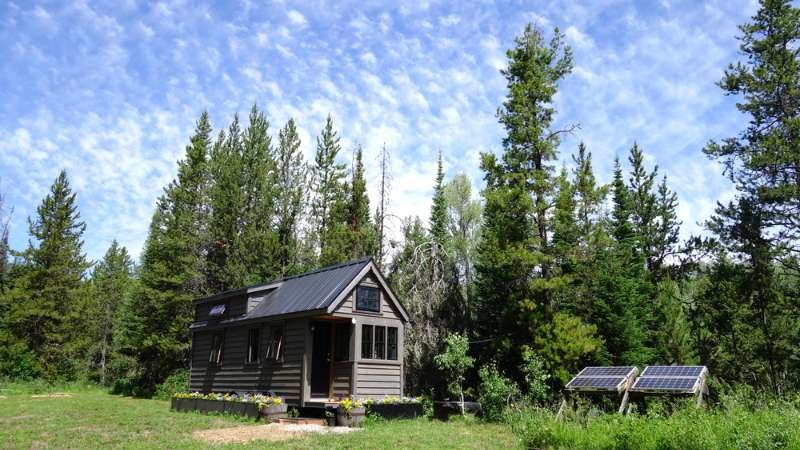
Solar panels are the most popular choice for off-grid electricity, but wind turbines and micro-hydro generators can supplement energy needs, especially in areas with variable weather. Battery banks are essential for storing excess energy for nighttime or cloudy days.
Water Collection and Filtration
Rainwater harvesting systems can be highly effective, especially when paired with filtration units to ensure potable water. Wells require regular testing and maintenance to prevent contamination.
Waste and Sanitation Solutions
Composting toilets reduce water use and create valuable fertilizer for gardens. Greywater systems can irrigate non-edible plants, while septic tanks are a traditional option in rural areas.
Growing Food and Raising Animals
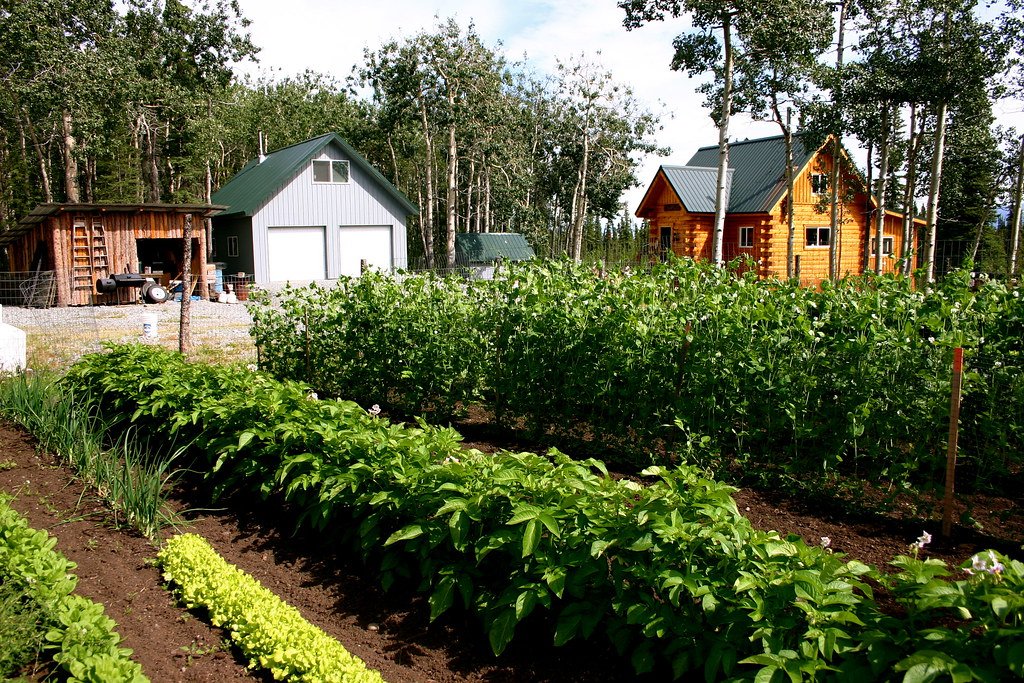
Producing your own food is a cornerstone of self-sufficiency. Start with a manageable garden and expand as you gain experience. Raised beds, greenhouses, and permaculture techniques can maximize yields and extend growing seasons.
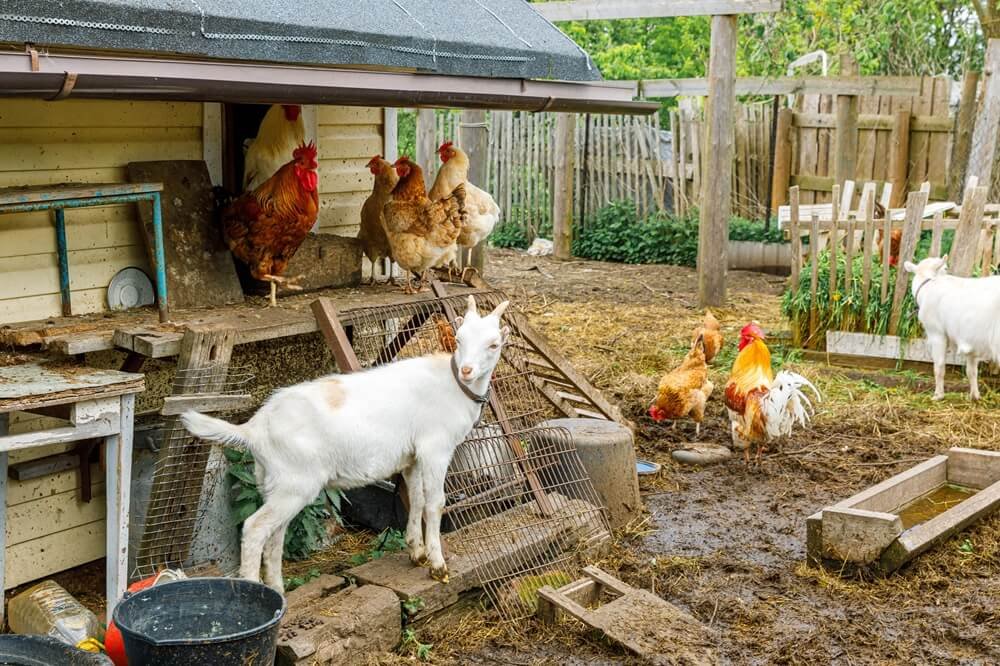
Raising chickens, goats, or other small livestock can provide eggs, milk, and meat. Start small to learn animal care routines and gradually expand your operation. For inspiration, off-grid living success stories highlight how others have achieved food independence.
Adapting to a New Lifestyle
Adjusting to life away from conventional conveniences takes time. Many find the transition rewarding, but it can also be physically and mentally demanding. Here are a few tips to ease the adjustment:
- Embrace Simplicity: Focus on what truly matters. Reducing consumption and learning to repair and reuse items are key habits.
- Build Community: Connect with neighbors and local groups for support, knowledge sharing, and bartering resources.
- Stay Flexible: Weather, equipment failures, and unexpected challenges are part of the journey. Adaptability is essential.
- Continue Learning: Off-grid living is an ongoing education. Explore topics like natural building techniques off-grid to enhance your homestead’s sustainability.
Essential Tools and Resources for Off-Grid Success
Having the right tools and knowledge can make all the difference. Invest in quality hand tools, backup supplies, and reference materials. For a comprehensive overview of what you’ll need, the off-grid living essentials guide covers everything from power systems to food storage.
Consider keeping a library of books and manuals on topics like gardening, animal care, first aid, and home repairs. These resources are invaluable when internet access is limited or unavailable.
Common Challenges and How to Overcome Them
While the rewards of self-sufficiency are many, there are also hurdles to anticipate:
- Power Outages: Weather and equipment issues can disrupt electricity. Regular maintenance and backup systems help minimize downtime.
- Water Shortages: Drought or system failures can threaten your supply. Multiple water sources and conservation practices are crucial.
- Isolation: Rural living can feel lonely. Stay connected with friends, family, and local networks for social support.
- Unexpected Expenses: Repairs and upgrades are part of off-grid life. Maintain an emergency fund for unplanned costs.
For those interested in going beyond sustainability, regenerative living off-grid explores how to restore and improve the land while meeting your needs.
Frequently Asked Questions
How much does it cost to start living off the grid?
Initial costs vary widely depending on land prices, infrastructure needs, and your desired level of comfort. Expenses include purchasing property, installing energy and water systems, building or renovating structures, and acquiring tools and supplies. While upfront investment can be substantial, many find that ongoing living costs decrease over time.
What skills are most important for off-grid living?
Practical skills such as gardening, basic carpentry, plumbing, electrical work, and animal care are extremely valuable. Problem-solving, adaptability, and a willingness to learn new things are equally important for long-term success.
Can you live off-grid anywhere?
Not all locations are suitable for off-grid living. Factors such as climate, access to water, local regulations, and land quality play a major role. Always research zoning laws and building codes before purchasing property or starting construction.