
As artificial intelligence becomes more integrated into healthcare, its role in supporting older adults is expanding rapidly. From smart home monitoring to virtual health assistants, these technologies promise greater safety, independence, and peace of mind for seniors and their families. However, achieving widespread adoption depends on one crucial factor: trust in AI elderly care systems.
For many, the idea of relying on algorithms and machines for personal care raises questions about privacy, reliability, and human connection. Addressing these concerns is essential for technology providers, caregivers, and policymakers who want to ensure that AI-powered solutions truly benefit the aging population.
To better understand how artificial intelligence is transforming the lives of seniors, you may find how AI helps elderly at home a valuable resource. This guide explores practical applications and the real-world impact of smart technology on aging in place.
Why Confidence in AI Matters for Senior Care
The adoption of intelligent care solutions depends largely on whether older adults, their families, and professional caregivers feel comfortable using them. Without a foundation of trust in AI elderly care tools, even the most advanced systems may be met with hesitation or outright resistance.
Several factors influence confidence in these technologies:
- Transparency: Seniors and their loved ones want to know how decisions are made, what data is collected, and how it is used.
- Reliability: Consistent, accurate performance is essential—especially when health and safety are at stake.
- Privacy: Protecting sensitive personal information is a top concern for users and their families.
- Human Touch: Many worry that automation could reduce meaningful human interaction in caregiving.
Common AI Applications in Elderly Support
Artificial intelligence is already making a difference in several areas of senior living. Some of the most widely used applications include:
- Remote health monitoring: Wearable devices and sensors track vital signs, activity, and medication adherence, alerting caregivers to potential issues.
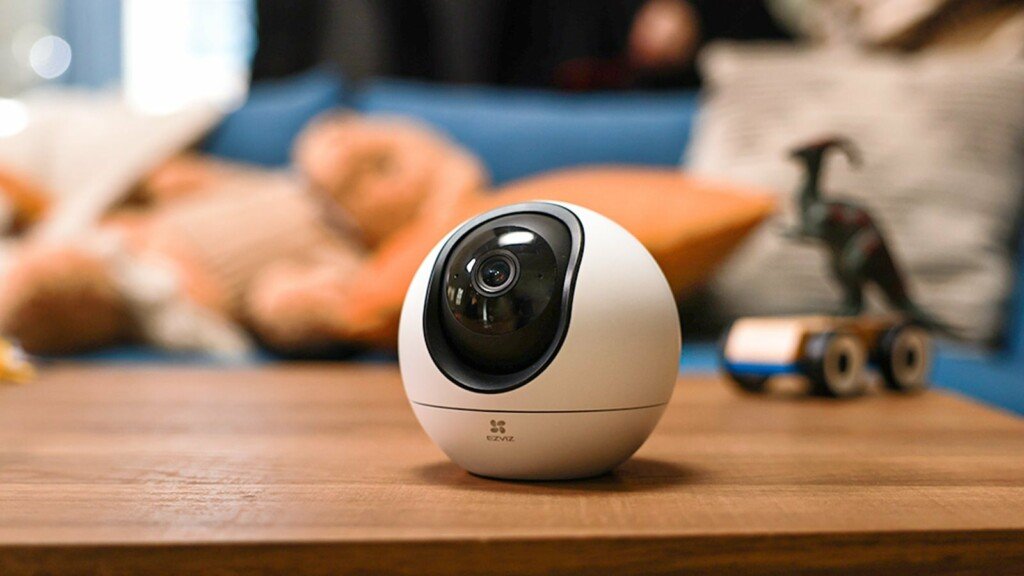
- Fall detection and prevention: Smart cameras and motion sensors can identify unusual movement patterns and send immediate alerts.
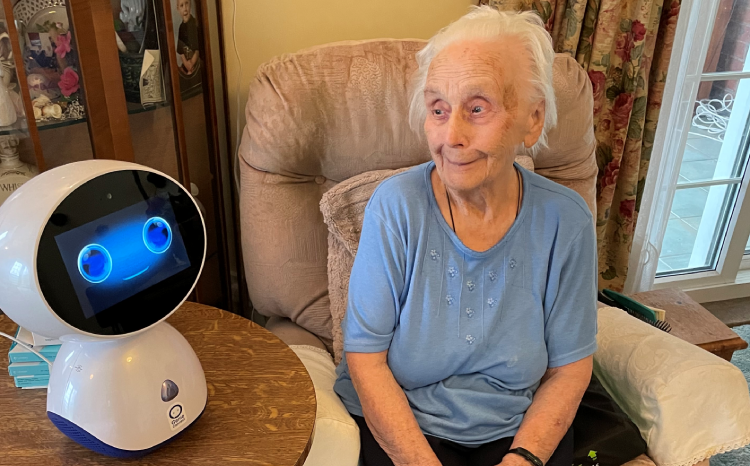
- Virtual assistants: Voice-activated devices help with reminders, communication, and daily tasks, promoting independence.
- Predictive analytics: AI can analyze patterns to anticipate health risks, enabling early intervention.

For a deeper dive into how these innovations work, see AI for elderly home care explained, which breaks down the technology behind modern home care solutions.
Building Trust: Key Strategies for AI Adoption in Senior Living
Establishing trust in AI elderly care is not just about technical performance. It requires a holistic approach that addresses emotional, ethical, and social considerations. Here are some proven strategies:
1. Prioritizing Transparency and Communication
Clear explanations about how AI systems operate, what data they collect, and how decisions are made can help users feel more at ease. Providing easy-to-understand documentation and open channels for questions or concerns is essential.
2. Ensuring Data Security and Privacy
Robust encryption, strict access controls, and regular security audits are vital for protecting sensitive health information. Companies should be upfront about their privacy policies and give users control over their data.
3. Combining Technology with Human Support
AI should enhance—not replace—human caregiving. Solutions that integrate professional oversight, family involvement, and personal interaction are more likely to gain acceptance among seniors.
4. Demonstrating Reliability and Accountability
Consistent performance, rapid response to issues, and clear processes for handling errors or malfunctions build confidence. Offering trial periods or pilot programs can also help users experience the benefits firsthand.
Challenges and Solutions for Earning Confidence in AI-Driven Elder Care
Despite the promise of AI, several barriers can slow adoption among older adults:
- Technological literacy: Some seniors may find new devices intimidating or confusing.
- Cost: Advanced systems can be expensive, limiting access for those on fixed incomes.
- Ethical concerns: Questions about autonomy, consent, and the role of machines in caregiving persist.
Overcoming these hurdles requires collaboration between technology developers, healthcare professionals, and advocacy groups. Educational programs, user-friendly interfaces, and affordable pricing models are all part of the solution.
For more on how smart devices are reshaping senior living, see AI assisted senior care, which highlights the human benefits of intelligent support systems.
Real-World Examples and Industry Insights
Across the globe, organizations are piloting and deploying AI-powered tools to support aging populations. For instance, remote monitoring platforms can alert caregivers to emergencies, while virtual assistants help seniors manage medications and appointments.
According to industry experts at Tunstall Healthcare, the key to successful implementation is ongoing engagement with users and their families. Regular feedback, transparent updates, and a commitment to ethical standards help foster lasting confidence in these solutions.
If you’re interested in the broader impact of AI in home healthcare, AI in home healthcare for seniors provides a comprehensive overview of current trends and future possibilities.
Frequently Asked Questions
How can families ensure the safety and privacy of AI devices for seniors?
Families should choose products with strong data protection measures, including encryption and transparent privacy policies. It’s important to review device settings, limit data sharing to essential parties, and stay informed about software updates and security features.
Are AI-powered care solutions suitable for all seniors?
While many older adults benefit from AI support, individual needs and preferences vary. Some may require more hands-on assistance or have concerns about technology use. It’s best to involve seniors in the decision-making process and tailor solutions to their comfort level.
What role do caregivers play when AI is used in elderly support?
Caregivers remain essential, providing emotional support, oversight, and human interaction. AI tools are designed to supplement—not replace—the work of professional and family caregivers, helping them respond more effectively to seniors’ needs.
Where can I learn more about smart devices that improve comfort for seniors?
For additional information on home technology, visit what AI gadgets improve indoor comfort to explore devices that enhance safety and convenience for older adults.