Facial recognition technology has become a key feature in many modern devices, transforming the way we interact with our homes, workplaces, and personal gadgets. If you’re curious about what AI gadgets can recognize faces, this guide will walk you through the most popular options, how they work, and what to consider before bringing them into your daily life. From smart home security to personal electronics, facial recognition is making devices more secure, convenient, and responsive to individual users.
As artificial intelligence continues to evolve, its integration with facial recognition is reshaping everything from home automation to energy management. For those interested in the intersection of AI and smart living, you might also find value in exploring ai home automation for energy storage to see how these technologies work together for a more efficient home.
How Facial Recognition Works in Modern Devices
At its core, facial recognition uses artificial intelligence to analyze and identify human faces in real time. Devices equipped with this technology rely on cameras and advanced algorithms to capture facial features, compare them to stored data, and determine a match. This process typically involves:
- Detecting a face within the camera’s field of view
- Mapping unique facial landmarks such as the distance between eyes, nose shape, and jawline
- Converting these features into a mathematical representation
- Comparing this data to authorized faces stored in the device
The result is a seamless and secure way to unlock devices, authorize payments, or personalize settings based on who is present.
Popular AI Gadgets That Use Face Recognition
Let’s look at some of the most common categories of AI-powered devices that leverage facial recognition to enhance security, convenience, and user experience.
Smartphones and Tablets
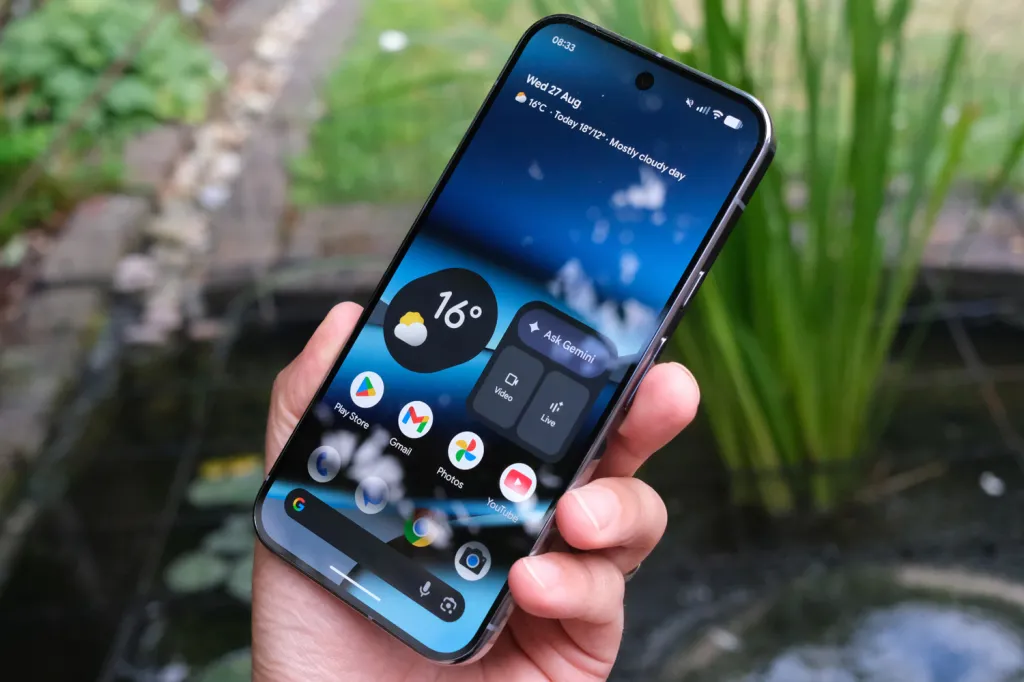
One of the most widespread uses of facial recognition is in mobile devices. Leading brands have integrated this technology to enable secure unlocking, app authentication, and even payment authorization. For example, the latest smartphones from Apple, Samsung, and Google use a combination of infrared sensors and AI algorithms to identify users quickly and accurately, even in low light.
Smart Home Security Cameras and Doorbells
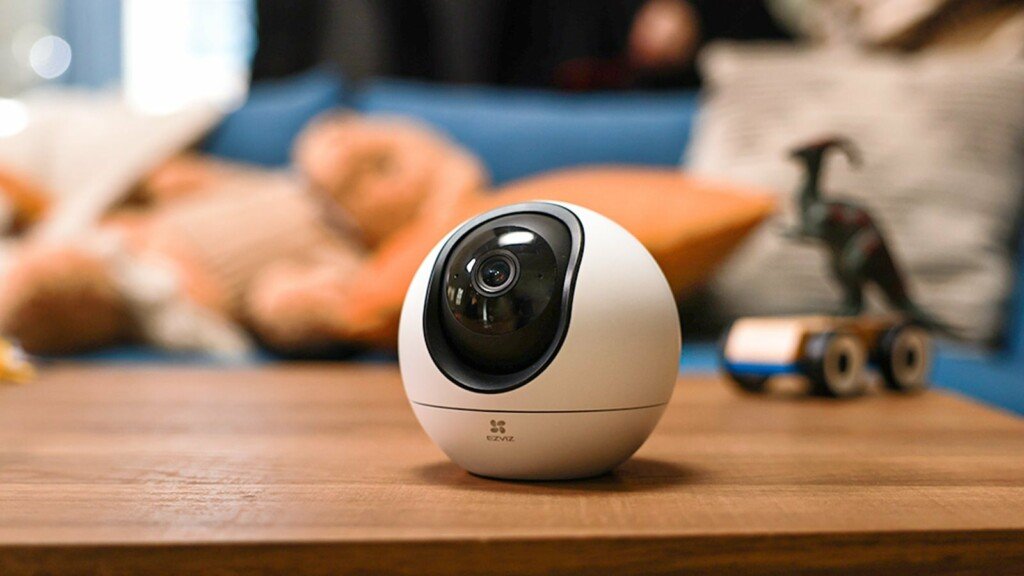
Home security has seen a significant upgrade with the introduction of AI-powered cameras and video doorbells. These devices not only detect motion but also recognize familiar faces, sending personalized alerts when family members or strangers approach your home. Some systems can even automate routines, such as unlocking the door or turning on lights for recognized individuals.
Brands like Nest, Ring, and Arlo offer products that use facial recognition to distinguish between residents, guests, and unknown visitors. This reduces false alarms and enhances overall security.
Smart Locks and Access Control
Facial recognition is also making its way into smart locks and building access systems. Instead of relying on keys, codes, or cards, these devices grant entry based on who is at the door. This is especially useful for offices, apartments, and homes where secure, keyless entry is desired.
Some advanced locks can store multiple profiles, allowing homeowners to manage access for family, friends, or service providers. Integration with other smart home devices can further automate entry and exit routines based on facial identification.
Personal Assistants and Smart Displays
AI-powered smart speakers and displays are increasingly using facial recognition to deliver personalized experiences. For example, smart displays can identify who is in the room and adjust calendars, reminders, or news feeds accordingly. This ensures that each family member receives relevant information and recommendations.
Voice assistants combined with facial recognition can also enhance security by restricting access to sensitive information or smart home controls based on the user’s identity.

Benefits of AI-Powered Face Recognition Gadgets
The adoption of facial recognition in everyday devices brings several advantages:
- Enhanced Security: Only authorized users can access devices or spaces, reducing the risk of unauthorized entry.
- Convenience: No need to remember passwords, carry keys, or enter codes—your face becomes your key.
- Personalization: Devices can adjust settings, content, and routines based on who is present, creating a tailored experience for each user.
- Automation: Integration with smart home systems allows for automated actions, such as unlocking doors, adjusting lighting, or controlling climate, triggered by facial identification.
Considerations and Privacy Concerns
While the benefits are clear, it’s important to be aware of potential privacy and security issues. Storing biometric data, such as facial features, requires robust encryption and responsible handling by device manufacturers. Users should:
- Review privacy policies and data storage practices before enabling facial recognition
- Regularly update device firmware to patch security vulnerabilities
- Limit sharing of facial data with third-party apps or services
- Consider devices that allow local storage of biometric data rather than cloud-based solutions
For a deeper dive into the role of AI in home devices and privacy, check out this comprehensive overview of AI-powered home devices and their impact on daily living.
Emerging Trends in AI Face Recognition Technology
The field of facial recognition is rapidly advancing. Newer devices are focusing on greater accuracy, faster response times, and improved security. Some trends to watch include:
- Edge Processing: More gadgets are performing facial recognition on-device, reducing reliance on cloud servers and enhancing privacy.
- Multi-Factor Authentication: Combining facial recognition with other biometrics (like voice or fingerprint) for added security.
- Integration with Home Automation: Facial recognition is increasingly being used to trigger smart home routines, such as adjusting thermostats or managing energy usage. For those interested in advanced applications, explore ai home automation programming basics for more technical insights.
- Broader Device Compatibility: Expect to see facial recognition in more categories, from kitchen appliances to energy management systems.
FAQ
Which home devices use facial recognition most commonly?
Smartphones, security cameras, video doorbells, and smart locks are the most common devices using this technology. Many smart displays and personal assistants are also starting to include facial recognition for personalization and security.
Is facial recognition safe to use in my home?
When implemented by reputable brands with strong security measures, facial recognition is generally safe. Look for devices that encrypt biometric data and offer regular security updates. Always review privacy settings and data storage policies before enabling these features.
Can facial recognition be fooled by photos or videos?
Modern AI-powered gadgets use depth sensors, infrared cameras, and anti-spoofing algorithms to distinguish real faces from photos or videos. While no system is perfect, these measures make it very difficult to bypass facial recognition with simple images.
Conclusion
Understanding what AI gadgets can recognize faces helps you make informed decisions about integrating this technology into your home or personal life. From mobile devices to smart security and home automation, facial recognition is enhancing both convenience and safety. As the technology matures, expect even more innovative uses and improved privacy controls. For those interested in the broader impact of AI on smart homes, topics like ai predictive analytics in smart homes and ai smart home disaster management systems offer additional perspectives on the future of intelligent living.