Managing indoor humidity is crucial for comfort, health, and protecting your home from mold and moisture damage. Traditional dehumidifiers have long been used to tackle excess moisture, but advances in artificial intelligence are transforming how these devices operate. If you’ve wondered what is an AI powered dehumidifier and how it differs from standard models, this guide will break down the technology, benefits, and what to consider before bringing one into your home.
With smart home technology rapidly evolving, devices like AI-driven dehumidifiers are becoming more accessible and practical. These appliances use intelligent systems to optimize humidity control, adapt to your lifestyle, and integrate with other smart home solutions. For homeowners interested in broader smart energy management, you might also explore ai battery management systems for homes to further enhance efficiency and convenience.
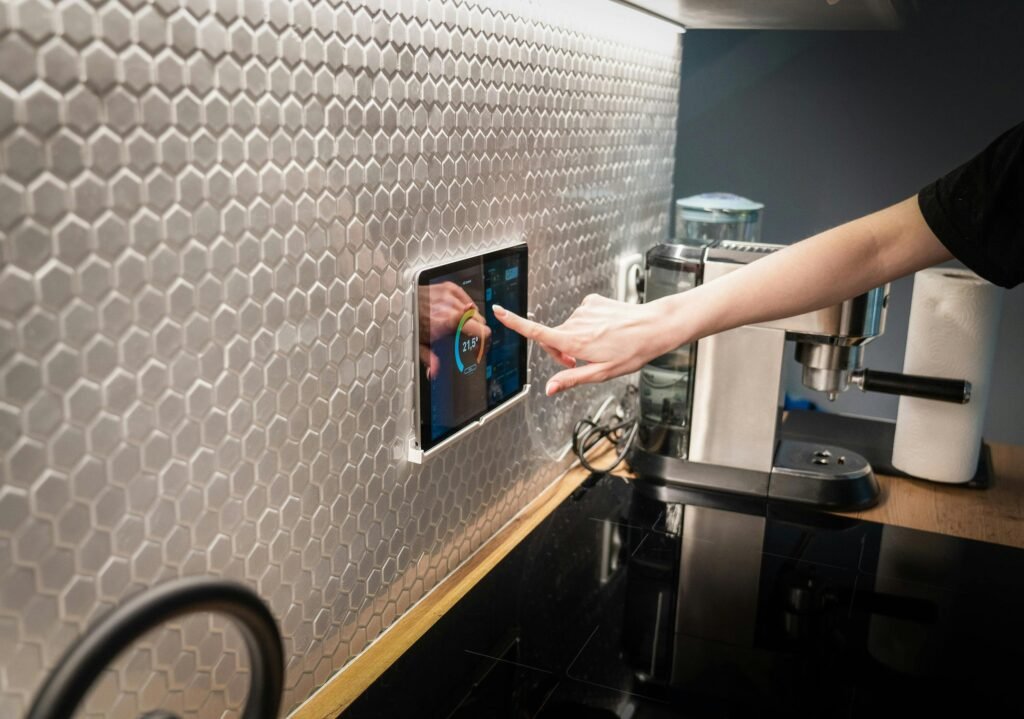
How AI-Driven Dehumidifiers Work
At their core, AI-powered dehumidifiers use artificial intelligence algorithms to monitor, analyze, and adjust their operation in real time. Unlike conventional units that rely on basic sensors and manual settings, these smart appliances collect data from multiple sources—such as humidity, temperature, occupancy, and even weather forecasts—to make more informed decisions about when and how to run.
Key features typically include:
- Adaptive humidity control: The device learns your preferences and daily routines, automatically adjusting settings for optimal comfort and energy savings.
- Predictive operation: By analyzing environmental data, the system can anticipate changes in humidity and proactively manage moisture levels.
- Remote monitoring and control: Most models connect to mobile apps or smart home hubs, allowing you to monitor and adjust settings from anywhere.
- Integration with other smart devices: These dehumidifiers can work alongside thermostats, air purifiers, and voice assistants for a seamless home automation experience.
For a deeper look at how artificial intelligence is reshaping home environments, see this overview of AI applications in smart homes.
Benefits of Intelligent Humidity Control
Switching to a dehumidifier with AI capabilities offers several advantages over traditional models. Here are some of the most notable benefits:
- Energy efficiency: By running only when necessary and at optimal power levels, these units can significantly reduce energy consumption.
- Consistent comfort: AI systems maintain stable humidity levels, reducing fluctuations that can cause discomfort or health issues.
- Proactive maintenance: Many smart dehumidifiers can alert you to maintenance needs, such as filter changes or water tank emptying, before they become problems.
- Personalized operation: The device learns your schedule and preferences, ensuring the environment is always comfortable when you need it most.
- Integration with disaster management: Some advanced models can work with ai smart home disaster management systems to help prevent water damage or mold growth during leaks or floods.

Key Features to Look for in Smart Dehumidifiers
When shopping for a dehumidifier that leverages artificial intelligence, consider the following features to maximize value and performance:
- Advanced sensors: Look for models with multiple sensors for humidity, temperature, and air quality.
- Machine learning capabilities: Devices that learn and adapt to your environment over time provide better long-term comfort and efficiency.
- App connectivity: Mobile app integration allows for remote control, scheduling, and real-time alerts.
- Smart home compatibility: Ensure the device works with your existing ecosystem, such as Google Home, Amazon Alexa, or Apple HomeKit.
- Quiet operation: Many AI-driven models are designed to run more quietly than traditional units, especially during nighttime or low-activity periods.
For those interested in broader automation, integrating with ai home automation for energy storage can further streamline energy use and comfort.
Comparing AI-Enhanced and Traditional Dehumidifiers
Understanding the differences between AI-enabled and conventional dehumidifiers can help you make an informed choice:
| Feature | Traditional Dehumidifier | AI-Driven Dehumidifier |
|---|---|---|
| Control | Manual or basic automatic | Adaptive, learns user habits |
| Energy Use | Runs on set schedule or humidity threshold | Optimizes operation for efficiency |
| Integration | Standalone | Works with smart home systems |
| Alerts | Limited or none | Real-time notifications and maintenance reminders |
| Remote Access | Rarely available | Common via apps or voice assistants |
Smart Home Integration and Automation
One of the standout advantages of AI-based dehumidifiers is their ability to connect with other smart home devices. For example, you can set up routines where your dehumidifier works in tandem with a smart thermostat to maintain both temperature and humidity at ideal levels. Some systems even use ai predictive analytics in smart homes to anticipate environmental changes and adjust settings automatically.
Integration with voice assistants allows for hands-free control, while compatibility with home automation platforms means you can create custom schedules or trigger actions based on occupancy, weather, or air quality. This level of automation not only improves comfort but also helps reduce energy waste.
Choosing the Right AI-Enabled Dehumidifier
When selecting a smart dehumidifier, consider the following tips:
- Assess the size of your space and choose a unit with appropriate capacity.
- Check for compatibility with your existing smart home ecosystem.
- Look for user-friendly mobile apps with robust features and positive reviews.
- Review warranty and customer support options for peace of mind.
- Consider future-proofing by choosing models that support firmware updates and new integrations.
As AI technology continues to evolve, expect even more advanced features and tighter integration with other home automation tools, such as ai home automation integration with wearables for personalized comfort and health tracking.
Frequently Asked Questions
How does an AI-powered dehumidifier save energy?
These smart devices use sensors and learning algorithms to operate only when needed, adjusting power levels and schedules based on real-time data. This targeted approach reduces unnecessary runtime and lowers electricity costs compared to traditional models.
Can I control an AI-driven dehumidifier remotely?
Yes, most models offer remote control via mobile apps or smart home hubs. You can monitor humidity, change settings, and receive alerts from anywhere, providing greater flexibility and peace of mind.
Is installation complicated for AI-based dehumidifiers?
Installation is typically straightforward and similar to standard units. The main difference is connecting the device to your Wi-Fi network and configuring it through the companion app. Most manufacturers provide step-by-step guides to simplify the process.
Are these smart dehumidifiers compatible with other home automation systems?
Many AI-enabled dehumidifiers are designed to work with popular smart home platforms like Google Home, Amazon Alexa, and Apple HomeKit, allowing seamless integration with other devices and routines.
Conclusion
AI-powered dehumidifiers represent a significant leap forward in home comfort and efficiency. By leveraging artificial intelligence, these devices provide adaptive, energy-saving humidity control that fits seamlessly into modern smart homes. As the technology matures, expect even greater convenience, customization, and integration with other intelligent systems throughout your living space.