The integration of artificial intelligence into home automation has transformed how we interact with our living spaces. Among the innovative advancements, AI-powered light sensors stand out for their ability to intelligently manage lighting and enhance energy efficiency. These smart devices go beyond traditional light sensors by leveraging machine learning algorithms to understand patterns, adapt to user preferences, and optimize illumination in real time.
As smart homes become more prevalent, understanding the role and capabilities of these intelligent sensors is essential for homeowners, tech enthusiasts, and anyone interested in the future of home automation. For those exploring broader applications of AI in the home, resources like ai battery management systems for homes provide additional insights into the expanding landscape of smart technology.
Understanding Smart Light Sensors with Artificial Intelligence
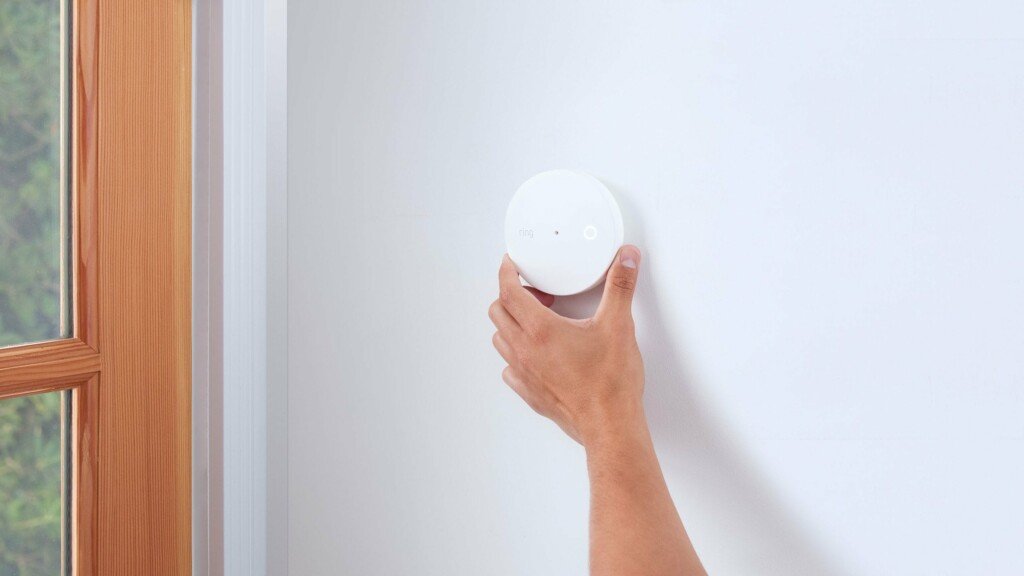
At their core, AI-driven light sensors are advanced devices that detect and interpret changes in ambient lighting. Unlike conventional sensors, which simply measure light intensity and trigger basic responses, these intelligent systems use data analysis and pattern recognition to make more nuanced decisions. By learning from user behavior and environmental factors, they can adjust lighting automatically, resulting in improved comfort and energy savings.
The primary components of an AI-based light sensor typically include:
- A photodetector to sense light levels
- An embedded processor running AI algorithms
- Connectivity modules for integration with smart home platforms
- Software that enables learning and adaptation over time
These elements work together to deliver a responsive and personalized lighting experience, making them a valuable addition to modern homes.
How AI-Powered Light Sensors Work
The operation of these smart sensors involves several steps. First, the device continuously monitors ambient light using its photodetector. The collected data is then analyzed by onboard AI, which considers factors such as time of day, occupancy, and historical usage patterns. Based on this analysis, the sensor can automatically adjust lighting levels, switch lights on or off, or even change color temperatures to suit the environment.
For example, in a living room, the sensor might learn that occupants prefer dimmer lighting in the evening while reading or watching TV. Over time, it will proactively adjust the lights to match these preferences without manual input. This level of automation not only enhances convenience but also contributes to energy efficiency by ensuring lights are only used when necessary.

Key Benefits of Integrating AI-Driven Light Sensors
The adoption of AI-powered lighting controls offers a range of advantages for homeowners and businesses:
- Energy Efficiency: By intelligently adjusting lighting based on occupancy and natural light, these sensors help reduce unnecessary energy consumption.
- Personalized Comfort: AI algorithms learn user preferences, ensuring lighting always matches individual needs and routines.
- Automation: Lights can be managed without manual intervention, freeing users from repetitive tasks.
- Integration: These sensors often work seamlessly with other smart home devices, such as thermostats and security systems, for a unified experience.
- Cost Savings: Lower energy usage translates into reduced utility bills over time.
For those interested in expanding their smart home ecosystem, exploring ai smart home project ideas can provide inspiration for further automation and innovation.
Applications in Modern Smart Homes
The use of artificial intelligence in light sensing is not limited to basic illumination control. These advanced sensors are being deployed in a variety of settings, including:
- Residential Spaces: Living rooms, bedrooms, and kitchens benefit from adaptive lighting that responds to daily routines.
- Offices: Workspaces use smart sensors to maintain optimal lighting for productivity and comfort.
- Retail: Stores leverage AI to create inviting atmospheres and highlight products dynamically.
- Outdoor Lighting: Garden and pathway lights adjust automatically based on sunset, sunrise, and weather conditions.
These applications demonstrate the versatility of AI-enhanced sensors and their potential to transform everyday environments.
Comparing AI-Enhanced Sensors to Traditional Solutions
Traditional light sensors operate on simple thresholds—when the light level drops below a set point, the lights turn on, and vice versa. While effective for basic automation, they lack the ability to adapt to changing conditions or user habits.
In contrast, AI-powered sensors analyze a broader range of data, including occupancy, weather, and historical usage. This enables them to make smarter decisions, such as dimming lights gradually at sunset or turning off lights in unoccupied rooms. The result is a more intuitive and efficient lighting system that aligns with modern expectations for smart home technology.
Integration with Other Smart Home Devices
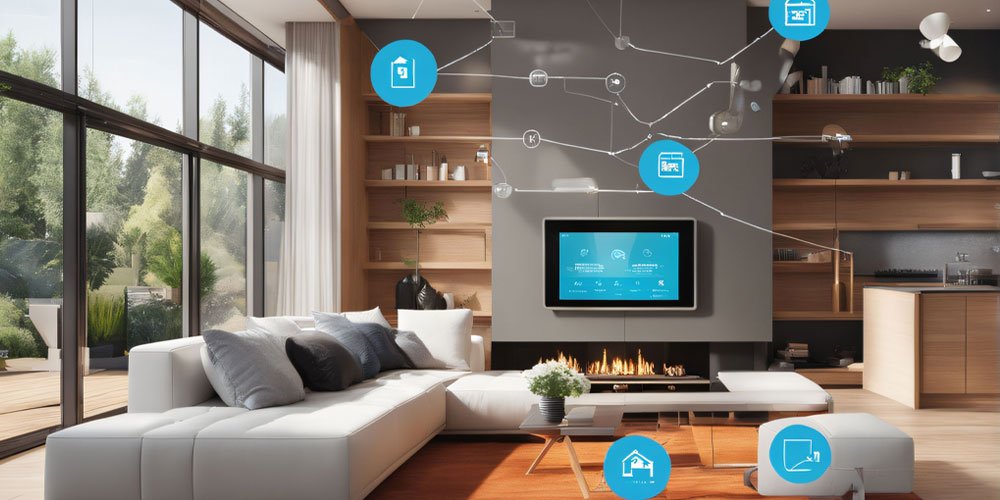
One of the strengths of AI-driven light sensors is their compatibility with a wide range of smart devices. They can be linked with thermostats, security cameras, and occupancy sensors to create a cohesive home automation system. For example, pairing with ai occupancy detection in homes allows the lighting system to respond dynamically to movement, further enhancing efficiency and user experience.
Many of these sensors are compatible with popular smart home platforms, making setup and customization straightforward. For those seeking recommendations on the best devices to build a connected home, this guide to top smart home devices offers a helpful overview.
Future Trends in AI-Based Lighting Technology
The evolution of AI-powered light sensors is ongoing. Future developments are likely to include even more advanced learning capabilities, integration with voice assistants, and the ability to factor in external data such as weather forecasts or calendar events. As these technologies mature, they will play a key role in creating sustainable, energy-efficient homes and workplaces.
The move toward ai green smart homes with ai is accelerating, with intelligent lighting forming a core part of this transformation. By embracing these innovations, homeowners can enjoy greater comfort, lower costs, and a reduced environmental footprint.
FAQ
How does an AI-powered light sensor differ from a regular light sensor?
While traditional sensors simply detect light intensity and trigger basic actions, AI-enhanced sensors use machine learning to analyze patterns, adapt to user routines, and make more complex decisions. This results in smarter, more personalized lighting control.
Can these sensors help save energy in my home?
Yes, by automatically adjusting lighting based on occupancy, natural light, and learned preferences, AI-driven sensors minimize unnecessary energy use, which can lead to noticeable savings on utility bills.
Are AI-powered light sensors compatible with other smart home devices?
Most modern AI-based sensors are designed to integrate with a variety of smart home platforms and devices, including thermostats, speakers, and security systems, for a seamless automation experience.