
Managing daily medications is a critical part of maintaining health and independence for older adults. However, missed doses are a common challenge, often leading to serious health complications, hospitalizations, or a decline in quality of life. Recent advances in AI alerts for missed medication are transforming how families, caregivers, and healthcare professionals support seniors in adhering to their medication schedules.
This article explores how artificial intelligence is being used to monitor medication routines, send timely reminders, and alert caregivers when doses are missed. We’ll also look at the benefits, challenges, and practical considerations of adopting these technologies in real-world settings.
For those interested in broader smart home innovations, solutions like ai home automation integration with wearables are also enhancing safety and convenience for seniors and their families.
How AI-Powered Medication Reminders Work
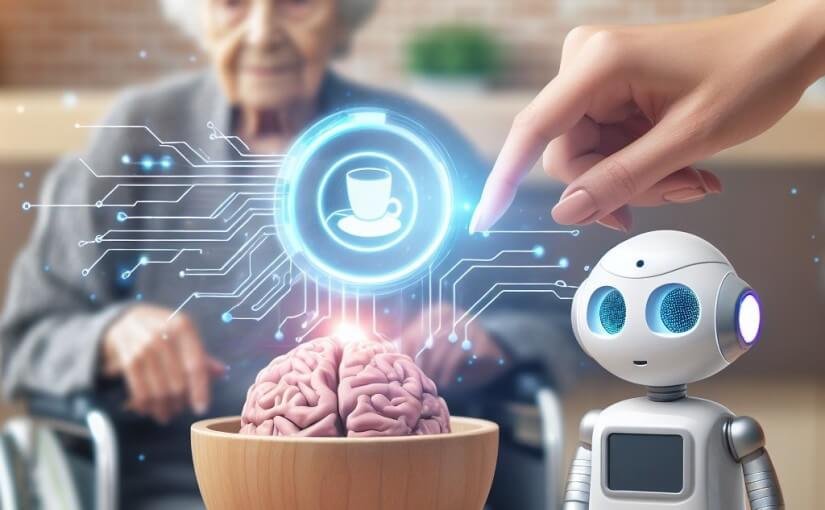
Artificial intelligence is reshaping medication management by combining smart devices, machine learning, and real-time monitoring. Here’s how these systems typically function:
- Smart Pill Dispensers: Devices equipped with sensors and connectivity dispense the correct medication at scheduled times. If a dose is not taken, the system records the event.
- Personalized Reminders: AI analyzes user habits and sends reminders via voice, text, or app notifications. These reminders can adapt based on the user’s response patterns.
- Caregiver Alerts: If a dose is missed, the system notifies caregivers or family members, allowing for quick intervention and support.
By leveraging these technologies, seniors are more likely to stay on track with their medication, and caregivers gain peace of mind knowing they’ll be notified if something goes wrong.
Benefits of AI Alerts for Missed Medication
The adoption of AI-powered medication alert systems brings several important advantages:
- Improved Adherence: Automated reminders and alerts help reduce the risk of missed doses, supporting better health outcomes.
- Early Intervention: Real-time notifications allow caregivers to respond quickly, preventing complications from missed medication.
- Reduced Hospitalizations: Consistent medication management can lower the risk of emergency visits and hospital stays.
- Enhanced Independence: Seniors can maintain autonomy while still having a safety net in place.
Research published in a recent study on AI-driven medication adherence highlights the positive impact of these technologies on senior health and caregiver stress reduction.

Key Features in Modern Medication Alert Systems
Today’s AI alerts for missed medication platforms offer a range of features designed to fit different lifestyles and care needs:
- Customizable Schedules: Users or caregivers can set up complex medication regimens, including multiple daily doses and as-needed medications.
- Multi-Device Integration: Many systems sync with smartphones, tablets, and wearables, making it easy to receive reminders wherever you are.
- Data Analytics: AI algorithms track adherence patterns, flagging potential issues and generating reports for healthcare providers.
- Voice and Visual Prompts: For those with hearing or vision impairments, systems can deliver reminders in accessible formats.
- Remote Monitoring: Family members and professional caregivers can check adherence status through secure online dashboards.
These features not only support seniors but also empower caregivers to deliver more personalized and proactive care.
Challenges and Considerations for Adoption
While the benefits are clear, there are some challenges to keep in mind when implementing AI-driven medication reminders:
- Technology Comfort: Some seniors may be hesitant or unfamiliar with digital devices. Training and support are essential for successful adoption.
- Privacy and Security: Protecting sensitive health data is crucial. Choose systems that comply with healthcare privacy standards and offer robust security features.
- Cost and Access: Advanced systems may involve upfront costs or subscription fees. Evaluate options based on budget and insurance coverage.
- Integration with Healthcare Providers: The best results come when these systems are part of a coordinated care plan involving doctors and pharmacists.
For those interested in broader smart home applications, integrating ai predictive analytics in smart homes can further enhance safety and well-being for seniors living independently.

Integrating AI Medication Alerts with Other Smart Home Solutions
Combining AI medication reminders with other smart home technologies can create a safer and more supportive environment for older adults. For example, pairing medication alerts with ai battery management systems for homes ensures that devices remain powered and functional, even during outages. Similarly, linking with ai smart home disaster management systems can provide additional layers of safety, such as fall detection or emergency response.
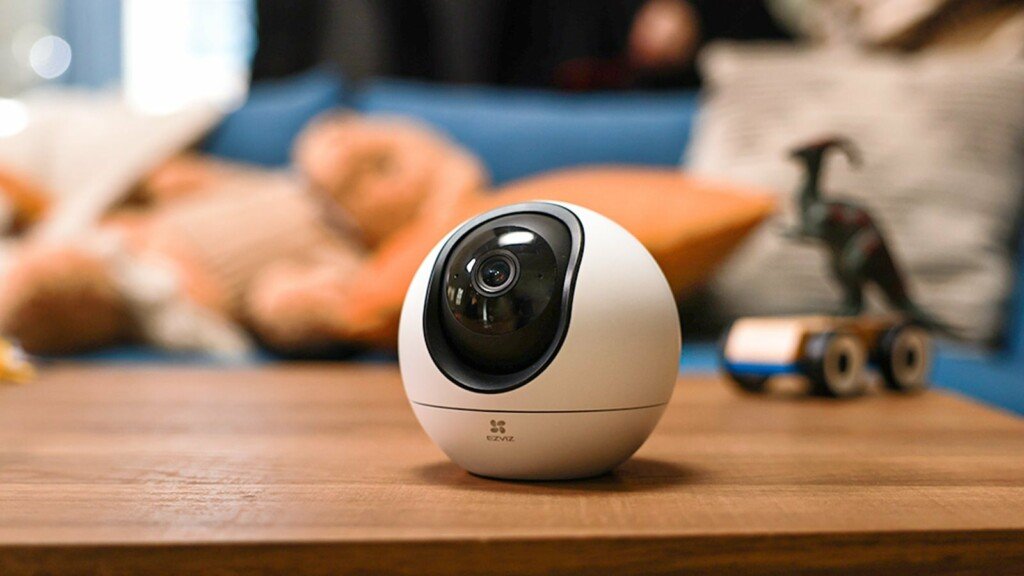
Wearable devices, such as smartwatches, can deliver medication reminders directly to the user’s wrist, while connected cameras allow caregivers to check in visually if a missed dose alert is triggered. This holistic approach supports both health and security, helping seniors age in place with confidence.
Tips for Choosing the Right AI Medication Alert System
When selecting a solution for yourself or a loved one, consider the following factors:
- User-Friendliness: Look for intuitive interfaces and clear instructions, especially if the user is not tech-savvy.
- Customizability: The system should accommodate complex medication schedules and individual preferences.
- Support and Training: Choose providers that offer setup assistance, troubleshooting, and ongoing support.
- Integration: Ensure compatibility with other smart home devices and healthcare platforms if needed.
- Reviews and Recommendations: Seek feedback from healthcare professionals and other users to gauge reliability and effectiveness.
Taking the time to evaluate these aspects will help ensure that the chosen system truly meets the needs of the senior and their support network.
FAQ
How do AI medication alert systems detect a missed dose?
Most systems use smart pill dispensers or sensors that track when a compartment is opened or a pill is removed. If the action doesn’t occur within the scheduled window, the system identifies it as a missed dose and triggers an alert to the user and designated caregivers.
Are AI-powered medication reminders secure and private?
Reputable providers follow strict data privacy regulations, such as HIPAA in the United States. Always verify that the system encrypts data and allows you to control who can access health information.
Can these systems be used for people with complex medication regimens?
Yes, many modern solutions allow for detailed scheduling, including multiple medications at different times, as-needed doses, and even integration with pharmacy refill reminders. Customization is a key feature of advanced AI medication management platforms.
Conclusion
AI-driven medication alerts are a powerful tool for supporting senior health, reducing the risks associated with missed doses, and easing the burden on caregivers. By combining smart reminders, real-time notifications, and integration with other home technologies, these systems offer a practical path to safer, more independent aging. As adoption grows, ongoing improvements in user experience, security, and interoperability will continue to enhance their value for families and healthcare providers alike.