
The combination of AI and IoT in smart homes is transforming how people interact with their living spaces. By seamlessly connecting devices and using intelligent algorithms, modern homes are becoming more efficient, secure, and responsive to the needs of their occupants. As technology advances, the synergy between artificial intelligence and the Internet of Things is shaping the future of residential living, making daily routines simpler and more personalized.
Understanding how these technologies collaborate is essential for homeowners, developers, and anyone interested in the future of home automation. This article explores the core concepts, practical applications, and the benefits and challenges of integrating AI and IoT within the home environment. For those interested in energy optimization, ai battery management systems for homes offer a deeper look at how artificial intelligence can enhance energy storage and usage in residential settings.
Understanding the Basics: What Are AI and IoT?
To appreciate the impact of AI and IoT in smart homes, it’s important to clarify what each technology brings to the table:
- Internet of Things (IoT): Refers to the network of interconnected devices—such as thermostats, lights, cameras, and appliances—that communicate and exchange data over the internet. These devices collect real-time information and can often be controlled remotely.
- Artificial Intelligence (AI): Involves algorithms and systems that analyze data, learn from patterns, and make decisions or predictions. In a home context, AI enables automation, personalization, and intelligent responses to changing conditions.
When combined, these technologies allow homes to not only gather data but also interpret it and act on it autonomously. This leads to smarter, more adaptive living environments.
How AI and IoT Collaborate in the Modern Home
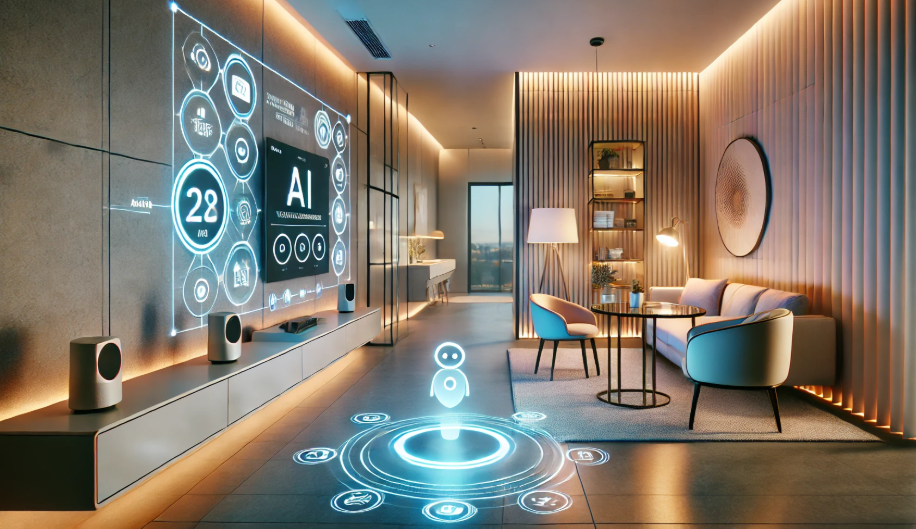
The integration of AI and IoT in smart homes creates a powerful ecosystem where devices don’t just execute commands—they learn, adapt, and optimize. Here’s how this collaboration works in practice:
- Data Collection: IoT sensors and devices continuously gather data on temperature, occupancy, lighting, energy usage, and more.
- Data Processing: AI algorithms analyze this data, identifying patterns and predicting future needs or behaviors.
- Automation: Based on AI insights, the system can adjust settings automatically—such as dimming lights, adjusting thermostats, or locking doors—without manual intervention.
- Personalization: AI learns user preferences over time, tailoring automation to individual routines and habits.
This synergy results in a home that is not only connected but also intelligent, capable of anticipating needs and optimizing comfort, security, and efficiency.

Key Benefits of Integrating AI and IoT in Residential Spaces
Bringing together AI and IoT in the home environment delivers a range of advantages:
- Enhanced Energy Efficiency: Smart thermostats and lighting systems use AI to analyze occupancy and usage patterns, reducing waste and lowering utility bills. For more on this, see ai home automation for energy storage.
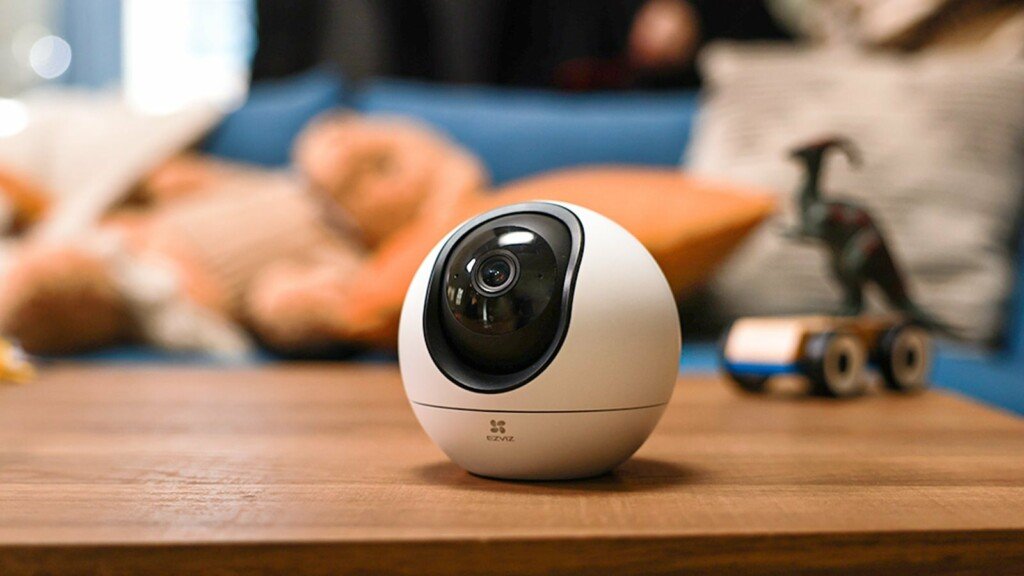
- Improved Security: AI-powered cameras and sensors can detect unusual activity, recognize faces, and alert homeowners to potential threats, making homes safer.
- Convenience and Comfort: Automated routines—such as adjusting blinds based on sunlight or starting coffee makers in the morning—make daily life more comfortable and hands-free.
- Predictive Maintenance: AI can analyze data from appliances and systems to predict failures before they happen, reducing downtime and repair costs.
- Personalized Experiences: From entertainment systems that suggest content to smart kitchens that recommend recipes, AI tailors the home experience to individual preferences.
Popular Use Cases for Smart Home Automation
There are many practical examples of how artificial intelligence and IoT work together in today’s homes:
- Voice Assistants: Devices like Amazon Alexa and Google Assistant use AI to interpret commands and control IoT devices throughout the house.
- Smart Security Systems: Cameras, doorbells, and locks use AI to recognize faces, detect motion, and send real-time alerts.
- Energy Management: Smart meters and thermostats optimize heating, cooling, and electricity usage based on AI-driven insights.
- Disaster Prevention: AI can monitor for smoke, gas leaks, or flooding, and trigger emergency protocols. Learn more about these systems in ai smart home disaster management systems.
- Health and Wellness: Wearable devices and smart beds track sleep patterns, activity, and health metrics, integrating with home systems for a holistic approach to wellness. For further reading, see ai home automation integration with wearables.

Challenges and Considerations for Homeowners
While the integration of AI and IoT brings many advantages, there are also important challenges to consider:
- Privacy and Security: With more data being collected and shared, protecting personal information and securing devices from cyber threats is critical.
- Compatibility: Not all devices and platforms work seamlessly together. Homeowners may need to research compatibility before investing in new products.
- Cost: Advanced smart home systems can require significant upfront investment, though long-term savings and convenience often offset these costs.
- Complexity: Setting up and managing multiple devices can be overwhelming for some users. User-friendly interfaces and support are essential for widespread adoption.
For those interested in advanced analytics, ai predictive analytics in smart homes explores how data-driven insights can further enhance home automation and efficiency.
Future Trends in Smart Home Technology
The landscape of smart home technology is evolving rapidly. Some key trends to watch include:
- Greater Interoperability: Industry standards are emerging to make it easier for devices from different brands to work together.
- Edge Computing: Processing data locally on devices, rather than sending everything to the cloud, can improve speed and privacy.
- Advanced Personalization: AI will continue to refine its understanding of user preferences, offering even more tailored experiences.
- Integration with Renewable Energy: Smart homes will increasingly manage solar panels, batteries, and electric vehicles for optimal energy use.
- Proactive Health Monitoring: Homes will play a bigger role in supporting health and wellness, with AI analyzing data from a range of sources to provide actionable insights.
For a deeper dive into the technical aspects of this integration, the research paper exploring AI-driven IoT frameworks for smart homes provides valuable insights into current innovations and future directions.
FAQ: AI and IoT in Connected Homes
How do AI and IoT devices communicate in a smart home?
IoT devices use wireless protocols such as Wi-Fi, Zigbee, or Bluetooth to connect and share data. AI systems process this data, often via a central hub or cloud platform, to enable intelligent automation and decision-making.
Are smart homes with AI and IoT secure?
Security depends on device quality, regular software updates, and strong network protection. Homeowners should use reputable brands, enable encryption, and change default passwords to reduce risks.
Can AI and IoT help save energy at home?
Yes, by analyzing usage patterns and automating systems like lighting, heating, and appliances, these technologies can significantly reduce energy waste and lower utility costs.