As the global population ages, technology is rapidly adapting to better serve the needs of older adults. Among the most promising innovations are AI conversational agents for seniors, which are transforming how elderly individuals interact with digital devices, manage daily routines, and maintain social connections. These intelligent systems are designed to be intuitive, supportive, and accessible, making them a valuable resource for both independent living and assisted care environments.
In this article, we’ll explore how these smart assistants are tailored for older users, their key benefits, and what to consider when choosing or implementing them. For readers interested in broader smart home technology, you may also want to learn about ai voice assistants for home automation and how they complement conversational agents in creating a safer, more convenient living space.
Understanding Conversational AI for Older Adults
Conversational AI refers to digital assistants that use natural language processing to interact with users through voice or text. When tailored for the elderly, these systems are designed to address common challenges such as hearing loss, reduced dexterity, and unfamiliarity with complex interfaces. By focusing on simplicity and clarity, AI conversational agents for seniors can make technology more approachable and less intimidating.
These assistants can be embedded in smart speakers, mobile devices, or even specialized hardware. Their core functions often include reminders, medication management, emergency assistance, and companionship through casual conversation. Some advanced systems also integrate with smart home devices, allowing users to control lighting, thermostats, and security systems with simple voice commands.
Key Benefits of AI Companions for the Elderly
Integrating conversational AI into the daily lives of older adults offers a range of practical advantages:
- Enhanced Independence: Seniors can manage schedules, set reminders, and control home devices without needing to navigate complex menus or small screens.
- Improved Safety: Many systems feature emergency call functions, fall detection, and health monitoring, providing peace of mind for users and their families.
- Social Engagement: AI agents can initiate conversations, play games, or read news aloud, helping to reduce feelings of isolation and loneliness.
- Personalized Support: These assistants can adapt to the user’s preferences, learning routines and offering tailored suggestions or prompts.
For those interested in other smart home enhancements, exploring ai thermostat benefits can further improve comfort and energy efficiency in senior living environments.

Features That Make AI Assistants Senior-Friendly
Not all digital assistants are created equal, especially when it comes to meeting the needs of older users. The best AI conversational agents for seniors share several important characteristics:
- Clear and Slow Speech: Voice output is optimized for clarity, with adjustable volume and speed settings.
- Simple Commands: The system recognizes straightforward, natural language requests, reducing the learning curve.
- Large Visual Elements: For devices with screens, text and buttons are sized for easy readability.
- Accessibility Options: Support for hearing aids, screen readers, and other assistive technologies is often included.
- Privacy Controls: Seniors can easily manage what data is collected and shared, addressing common concerns about digital privacy.
These features ensure that the technology remains accessible and comfortable for daily use, even for those with limited experience or physical challenges.
Real-World Applications and Success Stories
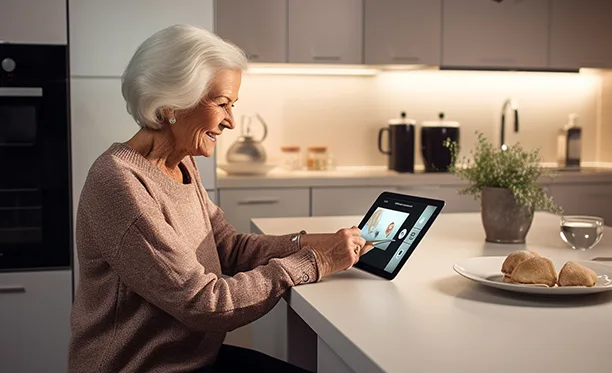
The adoption of conversational AI in elder care is already showing positive results. In assisted living facilities, these digital helpers are used to remind residents about medication times, facilitate video calls with family, and even monitor for signs of cognitive decline. At home, seniors benefit from having a reliable companion that can answer questions, provide entertainment, and alert caregivers in case of emergencies.
According to a recent analysis of artificial intelligence in geriatric health care, these technologies are helping to bridge the gap between limited healthcare resources and the growing needs of the aging population. The result is a more responsive, supportive environment that empowers older adults to live fuller, safer lives.
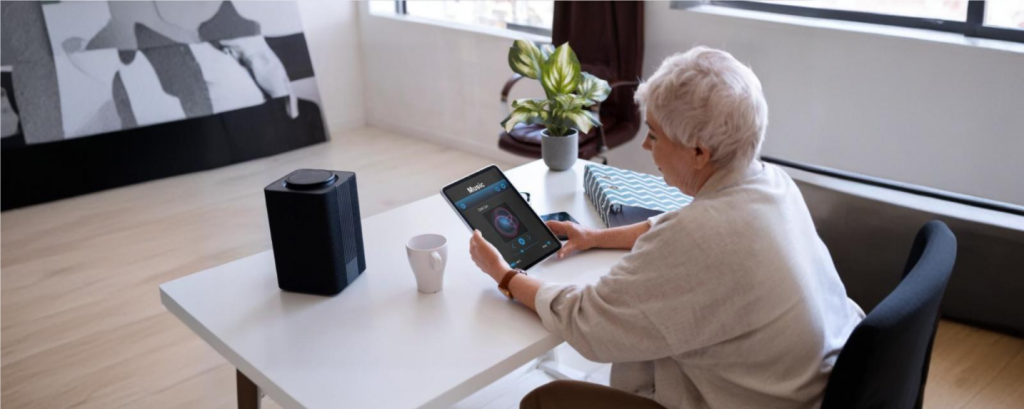
Choosing the Right Conversational AI for Your Needs
When selecting a conversational assistant for an older adult, it’s important to consider both the user’s abilities and the environment where the device will be used. Here are some practical tips:
- Assess the user’s comfort with technology and choose a device that matches their skill level.
- Look for systems that integrate with other smart home tools, such as those discussed in the deep learning applications in smart homes guide.
- Prioritize devices with strong customer support and easy-to-access troubleshooting resources.
- Test voice recognition accuracy, especially for users with accents or speech impairments.
- Review privacy policies to ensure sensitive information is handled appropriately.
Taking these steps will help ensure a positive experience and maximize the benefits of the technology.
Integrating AI Agents with Other Smart Home Solutions
The effectiveness of conversational AI increases when combined with other smart home technologies. For example, pairing an assistant with ai smart lighting systems guide can enable voice-activated lighting adjustments, while integration with security cameras or thermostats adds further convenience and safety.
These combinations allow seniors to manage their environment with minimal effort, promoting autonomy and reducing reliance on caregivers for everyday tasks.
Challenges and Considerations in Adoption
While the advantages are significant, there are also challenges to consider. Some seniors may be hesitant to adopt new technology due to privacy concerns, fear of making mistakes, or unfamiliarity with digital devices. Training and ongoing support are essential to overcome these barriers.
Additionally, not all products are equally reliable or secure. It’s important to research options carefully, read user reviews, and consult with healthcare professionals or technology experts when making a decision.
For those interested in energy efficiency and cost savings, learning about how ai reduces electricity bills can provide further value when building a comprehensive smart home ecosystem.
FAQ
What are the main benefits of AI conversational agents for seniors?
The primary advantages include increased independence, improved safety through emergency features, enhanced social engagement, and personalized daily support. These systems are designed to be easy to use and accessible for older adults.
Are these AI assistants secure and private?
Most reputable conversational AI devices offer robust privacy controls, allowing users to manage what data is collected and shared. It’s important to review privacy settings and choose products with transparent policies.
Can conversational AI integrate with other smart home devices?
Yes, many of these assistants can connect with smart lighting, thermostats, security cameras, and more, enabling voice control and automation throughout the home. Integration enhances convenience and safety for seniors.