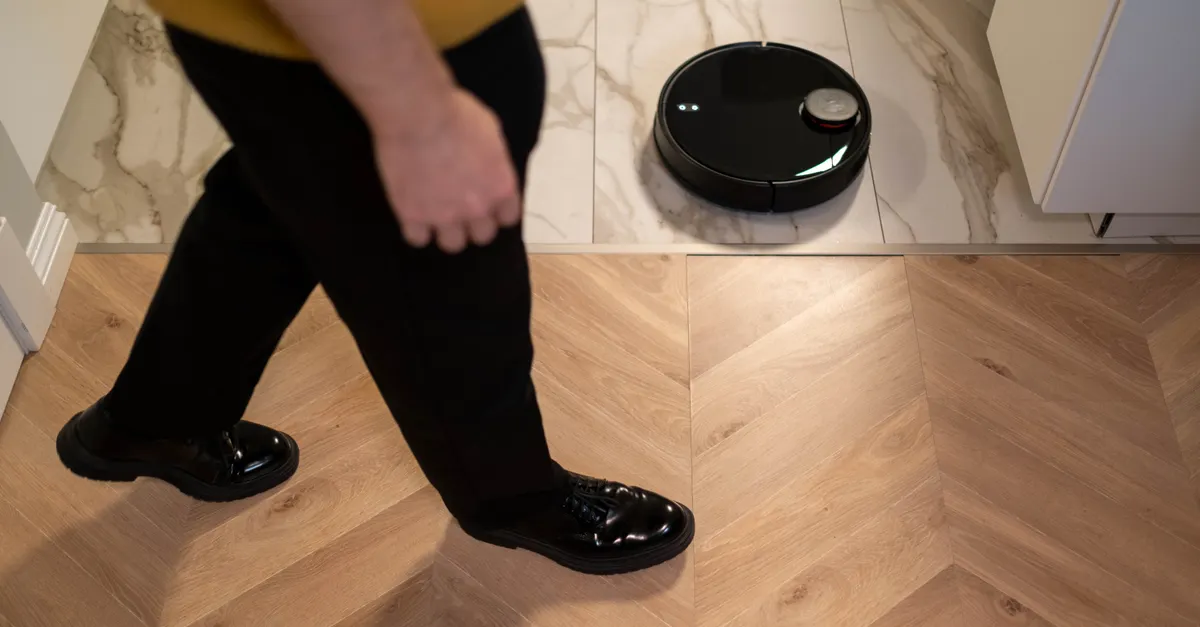
The integration of deep learning applications in smart homes is transforming how we interact with our living spaces. From intelligent lighting to advanced security, these technologies are making homes more adaptive, efficient, and secure. As artificial intelligence continues to evolve, its influence on home automation grows, offering homeowners greater convenience and control than ever before.
This article explores the practical uses, benefits, and challenges of deploying deep learning in residential environments. Whether you’re curious about the latest trends or considering upgrading your home, understanding these innovations can help you make informed decisions about smart technology.

For a broader overview of how artificial intelligence is shaping home technology, you can read about ai powered smart home devices and discover the range of solutions available today.
How Deep Learning Powers Modern Home Automation
At the core of many smart home systems are algorithms that learn from data and adapt to user preferences. Deep learning, a subset of machine learning, uses artificial neural networks to process complex information and make decisions. In home environments, this means devices can recognize patterns, predict needs, and automate tasks with minimal human input.
For example, a smart thermostat equipped with deep learning can analyze your daily routines and adjust temperatures automatically, saving energy while maximizing comfort. Similarly, lighting systems can detect occupancy and adjust brightness or color based on time of day or activity.
Key Use Cases for Deep Learning in Home Environments
The practical uses of deep learning in residential settings are expanding rapidly. Here are some of the most impactful applications:
- Security and Surveillance: AI-powered cameras use deep learning to distinguish between people, pets, and objects, reducing false alarms and enhancing safety.
- Voice Assistants: Devices like smart speakers leverage advanced speech recognition to understand commands, even in noisy environments.
- Predictive Maintenance: Appliances can monitor their own performance, alerting homeowners to potential issues before they become major problems.
- Personalized Automation: Systems learn user habits to automate lighting, climate, and entertainment preferences.
- Energy Management: Deep learning helps optimize power usage, integrating with smart meters and renewable energy sources.
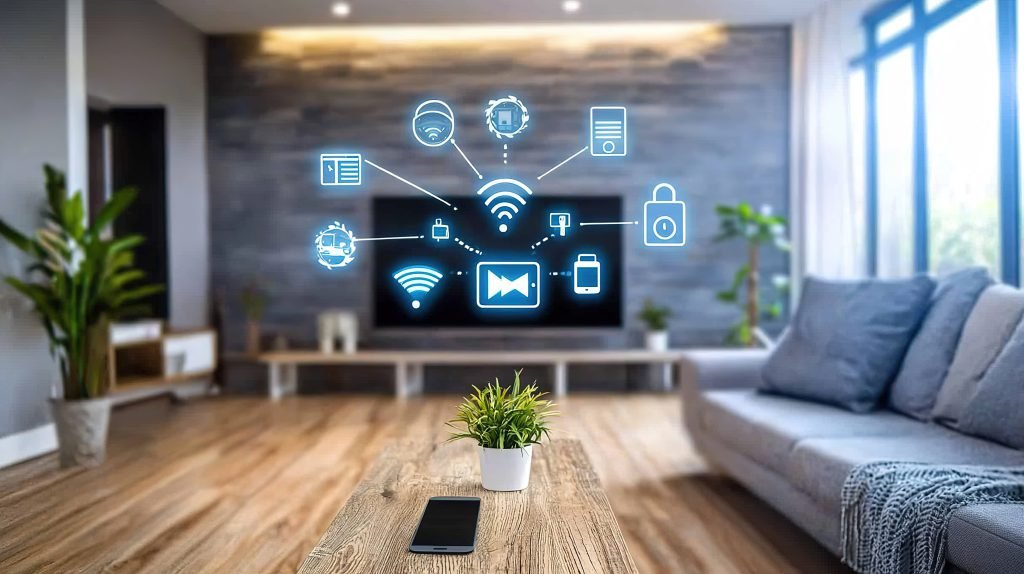
Benefits of Integrating Deep Learning Into Smart Homes
The adoption of deep learning in home automation brings several notable advantages:
- Enhanced Personalization: Systems adapt to individual routines, creating a tailored living experience.
- Improved Security: AI-driven surveillance can detect unusual activity and trigger alerts more accurately.
- Energy Efficiency: Automated adjustments reduce unnecessary consumption, leading to cost savings.
- Convenience: Routine tasks are handled automatically, freeing up time for homeowners.
- Proactive Maintenance: Early detection of issues helps prevent costly repairs and extends the lifespan of appliances.
For those interested in how these technologies work behind the scenes, our article on how ai works in smart homes provides a simple explanation of the underlying mechanisms.
Challenges and Considerations for Homeowners
While the benefits are substantial, there are also challenges to consider when implementing advanced AI in residential settings:
- Privacy Concerns: Devices that collect and analyze personal data must be secured to protect user privacy.
- Integration Issues: Not all smart devices are compatible, making seamless automation sometimes difficult.
- Cost: High-end AI-powered systems can be expensive to install and maintain.
- Complexity: Setting up and managing sophisticated automation may require technical knowledge.
Staying informed about the latest trends and best practices can help mitigate these challenges. For a look at where the industry is heading, explore our insights on the future of ai in smart homes.
Energy Management and Sustainability
One of the most promising uses of deep learning in home automation is optimizing energy consumption. By analyzing usage patterns, smart systems can reduce waste and support sustainability goals. For instance, AI can coordinate heating, cooling, and lighting based on occupancy and weather forecasts, or integrate with solar panels and battery storage to maximize efficiency.
To learn more about how artificial intelligence is driving energy savings, see our guide on ai based energy management in homes.
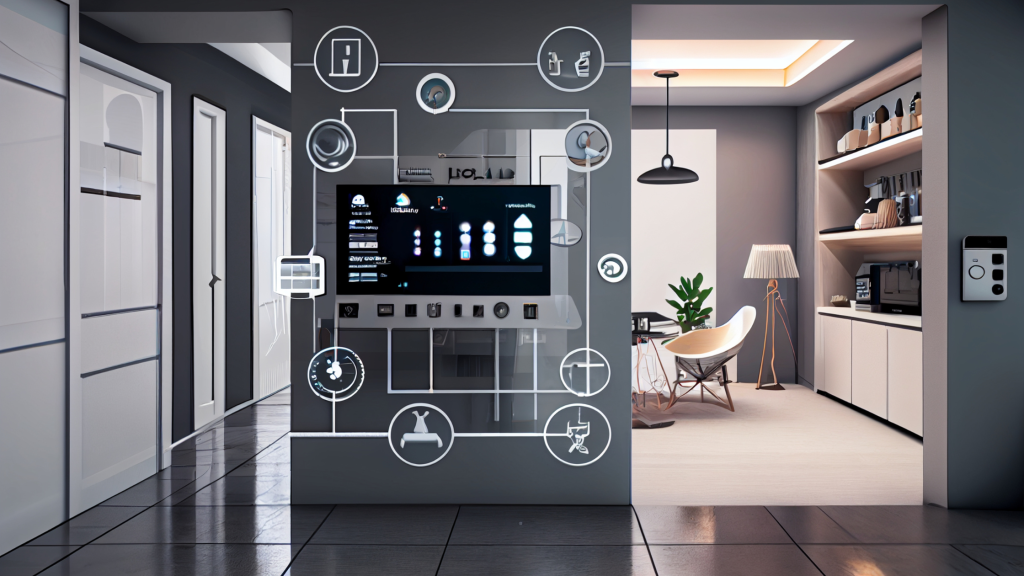
Connecting Smart Homes with IoT and AI
The synergy between the Internet of Things (IoT) and deep learning is central to the evolution of intelligent homes. IoT devices generate vast amounts of data, which advanced algorithms use to deliver smarter automation and predictive insights. This combination enables everything from real-time monitoring to adaptive control of appliances and systems.
For a deeper dive into this intersection, check out this comprehensive overview of AI and IoT in smart homes and discover how these technologies work together to enhance daily living.
Frequently Asked Questions
What are the main benefits of using deep learning in home automation?
The primary advantages include increased personalization, improved security, energy efficiency, and proactive maintenance. Deep learning enables systems to adapt to user habits and automate tasks, making daily life more convenient and efficient.
Are there privacy risks with AI-powered smart home devices?
Yes, privacy is a key concern. Devices that collect and process personal data must be secured against unauthorized access. Homeowners should review privacy policies, use strong passwords, and keep device firmware updated to minimize risks.
How do I start integrating deep learning technology into my home?
Begin by identifying your needs—such as security, energy management, or convenience. Research compatible devices that offer AI-powered features, and consider starting with a central hub or voice assistant. Gradually expand your system, ensuring all components work together seamlessly.
Conclusion
The adoption of deep learning applications in smart homes is reshaping the way we live, offering smarter automation, greater comfort, and improved efficiency. As these technologies continue to advance, homeowners can expect even more innovative solutions that adapt to their lifestyles. Staying informed and choosing the right systems will help you unlock the full potential of intelligent living spaces.
For those just beginning their journey, our what is ai in smart homes guide is a helpful starting point.