Managing household energy costs is a growing concern for many families. As utility prices fluctuate and environmental awareness increases, finding smarter ways to use electricity is more important than ever. Artificial intelligence is transforming how we approach home energy management, offering practical solutions that help lower expenses and reduce waste. By leveraging intelligent systems, homeowners can optimize their power consumption, automate routines, and make informed decisions—leading to real savings on monthly bills.
In this article, we’ll explore the ways AI-driven technology is making homes more energy-efficient. We’ll cover how smart devices, predictive analytics, and automation work together to cut costs, and provide tips for integrating these solutions into your daily life. For a broader overview of how these technologies fit into modern living, see our guide on ai powered smart home devices.
Understanding the Role of AI in Lowering Home Energy Costs
Artificial intelligence is more than a buzzword in the world of smart homes. It’s a set of technologies that can analyze data, recognize patterns, and make real-time decisions to optimize energy use. Unlike traditional programmable thermostats or timers, AI-powered systems learn from your habits and environmental conditions, adjusting settings for maximum efficiency.
For those new to the topic, our what is ai in smart homes guide explains the basics of how these systems operate and why they’re becoming essential in modern households.
Smart Devices That Help Cut Electricity Bills
The most visible way artificial intelligence reduces electricity bills is through smart devices. These include thermostats, lighting systems, appliances, and plugs that connect to a central hub or app. Here’s how they contribute to savings:
- Smart Thermostats: These devices learn your schedule and preferences, automatically adjusting heating and cooling to avoid unnecessary energy use.
- AI-Driven Lighting: Intelligent lighting systems dim or turn off lights based on occupancy and natural light, reducing wasted electricity.
- Connected Appliances: Modern appliances can run during off-peak hours or in energy-saving modes, guided by AI recommendations.
- Smart Plugs: These allow you to monitor and control “energy vampire” devices that consume power even when not in use.
For a deeper dive into how these devices work together, check out our article on how ai works in smart homes.
How AI-Based Energy Management Systems Work
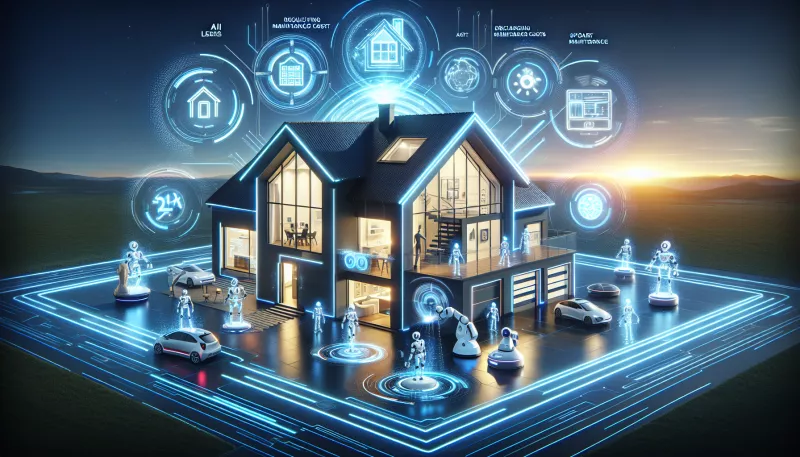
At the heart of many smart homes is an AI-based energy management system. These platforms gather data from sensors, meters, and connected devices to build a detailed picture of your household’s energy use. By analyzing this information, the system can:
- Identify patterns in consumption, such as peak usage times or inefficient appliances
- Recommend changes to schedules or device settings for better efficiency
- Automatically shift loads to off-peak hours when electricity rates are lower
- Alert you to unusual spikes or potential issues, like a malfunctioning HVAC unit
For a comprehensive overview, see our ai based energy management in homes guide, which covers the latest trends and practical tips for implementation.
Real-World Examples of AI Saving on Power Bills
Many homeowners have already seen significant benefits from integrating artificial intelligence into their energy routines. For instance, smart thermostats can reduce heating and cooling costs by up to 15%, while intelligent lighting systems can cut lighting expenses by 20% or more. These savings add up over time, especially when combined with other smart devices.
In addition, some utility companies offer rebates or incentives for installing AI-powered solutions, making the initial investment more affordable. By using predictive analytics, these systems can also help you avoid costly peak rates and detect problems before they become expensive repairs.

Tips for Maximizing Savings with AI-Driven Solutions
To get the most out of your investment in smart technology, consider these practical steps:
- Start with a Smart Thermostat: This is often the easiest and most impactful upgrade for energy savings.
- Automate Lighting: Use AI-powered bulbs or switches to ensure lights are only on when needed.
- Monitor Appliance Usage: Smart plugs and connected appliances help you track and control energy-hungry devices.
- Review Energy Reports: Many systems provide detailed analytics—use these insights to adjust your routines.
- Integrate with Utility Programs: Some utilities offer discounts or rebates for using smart energy management tools.
For more on upcoming trends, visit our article on the future of ai in smart homes.
How AI and Smart Homes Work Together
The integration of artificial intelligence with home automation platforms creates a seamless experience for users. AI acts as the “brain” of the system, coordinating devices and making adjustments based on real-time data. This approach not only saves money but also improves comfort and convenience.
For a technical breakdown of these integrations, you can read the in-depth explanation of how AI works with smart homes provided by industry experts.
Frequently Asked Questions
Can AI really make a noticeable difference in my electricity bill?
Yes, adopting AI-powered devices and management systems can lead to substantial savings. Smart thermostats, lighting, and appliance controls optimize usage and reduce waste, often resulting in lower monthly costs.
Is it difficult to set up AI-based energy management at home?
Most modern systems are designed for easy installation and user-friendly operation. Many devices can be set up with minimal technical knowledge, and most come with guided apps for configuration.
Are there any privacy concerns with using AI in my home?
While AI systems collect data to optimize performance, reputable brands prioritize user privacy and security. Always review privacy policies and choose devices from trusted manufacturers.
Conclusion
Artificial intelligence is rapidly changing the way we manage energy in our homes. By adopting smart devices and leveraging intelligent management systems, homeowners can achieve significant savings, reduce their environmental impact, and enjoy greater convenience. As these technologies continue to evolve, the opportunities for efficiency and cost reduction will only increase.