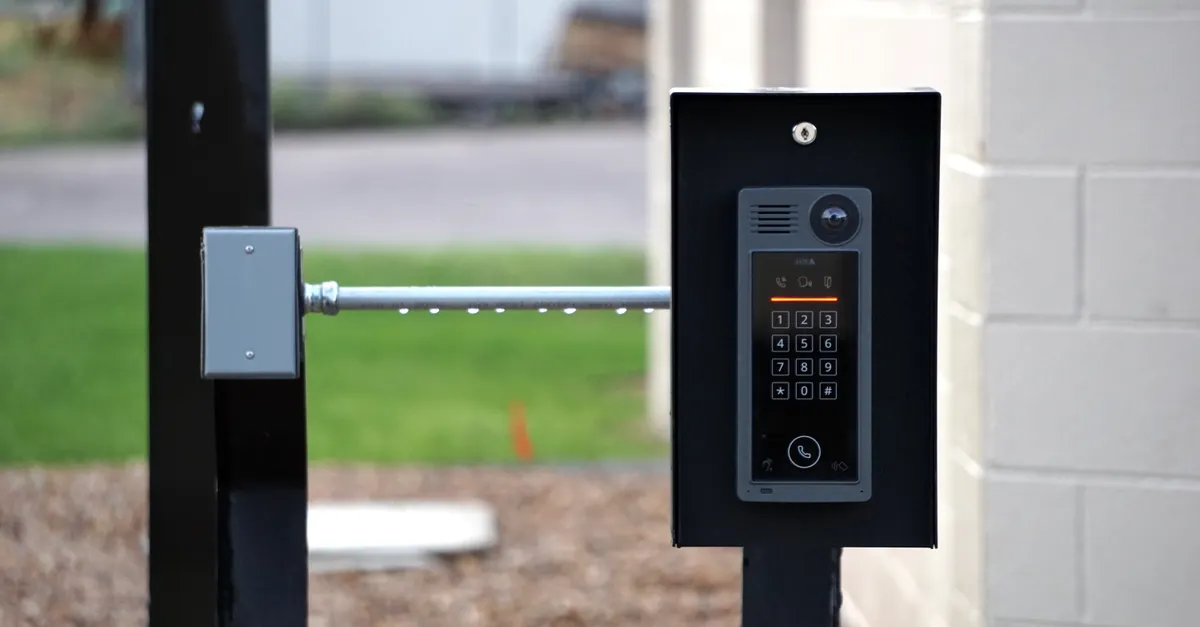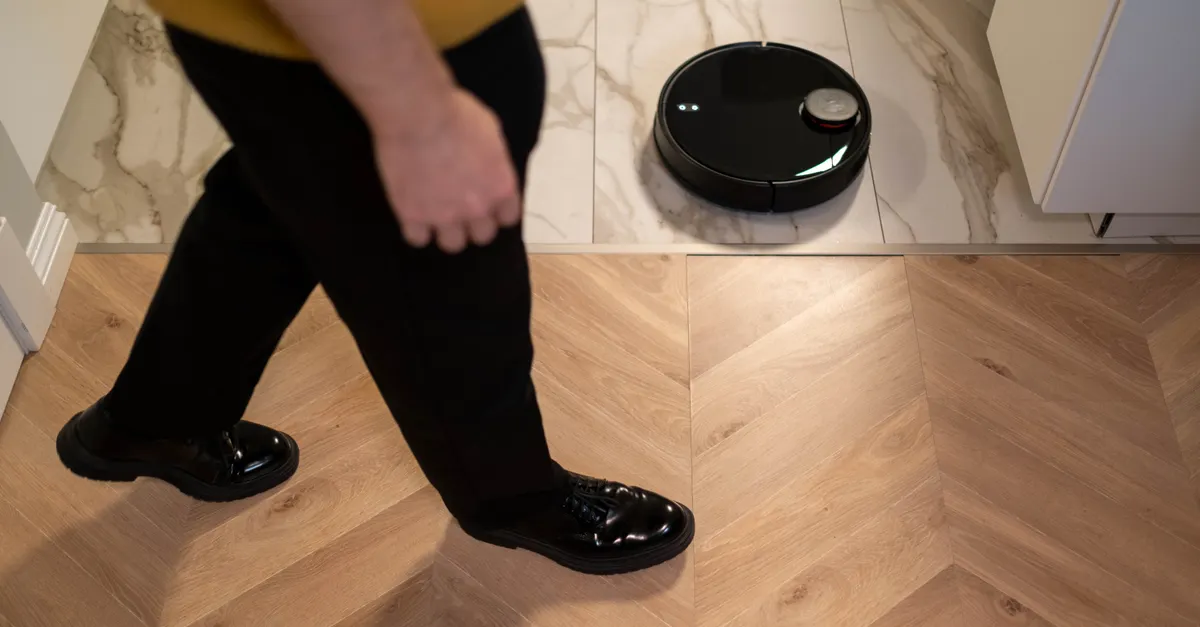
The rapid evolution of smart home technology is transforming how we interact with our living spaces. At the heart of this transformation is AI edge computing in smart homes, a concept that brings artificial intelligence processing closer to where data is generated—inside the home itself. Instead of sending all information to distant cloud servers, edge computing enables devices like thermostats, cameras, and appliances to analyze data locally, resulting in faster responses, improved privacy, and greater reliability.
Understanding how edge AI works and its impact on home automation is essential for homeowners, tech enthusiasts, and anyone interested in the future of residential living. This article explores the fundamentals of edge computing powered by AI, its practical benefits, and how it is reshaping the smart home landscape.

For those interested in sustainable living, integrating AI green smart homes with AI can further enhance efficiency and environmental impact. Leveraging edge AI in these systems ensures that energy management and automation are both intelligent and responsive.
What Is Edge AI and How Does It Work in Home Automation?
Edge AI refers to the deployment of artificial intelligence algorithms directly on local devices, such as smart speakers, security cameras, and home hubs. Unlike traditional cloud-based systems, edge AI processes data on-site, allowing for real-time decision-making without relying on constant internet connectivity.
In a smart home environment, this means that devices can recognize voices, detect unusual activity, or adjust climate controls instantly. For example, a smart camera can use AI to distinguish between a family member and a stranger, sending alerts only when necessary. This local processing reduces latency, minimizes bandwidth usage, and enhances privacy by keeping sensitive data within the home.
Key Benefits of AI Edge Computing for Connected Homes
Adopting AI edge computing in smart homes offers several compelling advantages:
- Faster Response Times: Devices can act on data immediately, improving user experience for tasks like voice commands, lighting adjustments, and security monitoring.
- Enhanced Privacy: Sensitive information, such as video feeds or personal routines, is processed locally rather than sent to external servers, reducing exposure to data breaches.
- Improved Reliability: Edge AI systems continue to function even during network outages, ensuring critical automations—like alarms or door locks—remain operational.
- Efficient Bandwidth Usage: By filtering and analyzing data on-site, only relevant information is transmitted to the cloud, saving bandwidth and reducing costs.
- Energy Management: Smart devices can optimize power usage in real time, contributing to sustainability and lower utility bills.
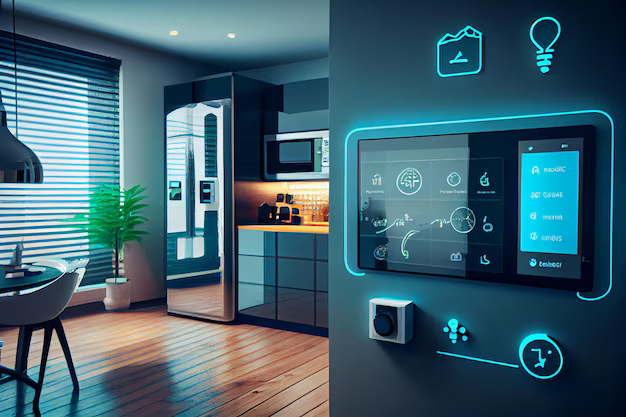
Popular Applications of Edge AI in Modern Homes
The integration of edge AI is evident in a wide range of smart home devices and systems. Some of the most impactful applications include:
- Security Cameras: On-device AI enables real-time facial recognition, motion detection, and anomaly alerts without sending footage to the cloud.
- Voice Assistants: Local speech processing allows for faster and more private responses to commands, even when offline.
- Smart Thermostats: AI algorithms adjust heating and cooling based on occupancy and user habits, optimizing comfort and energy use.
- Lighting Systems: Edge AI can automate lighting based on presence, time of day, or ambient light, enhancing convenience and efficiency.
- Home Appliances: Devices like refrigerators and washing machines use AI to monitor performance, predict maintenance needs, and reduce energy consumption.
For students and hobbyists, exploring AI smart home project ideas can be a great way to experiment with edge computing concepts and develop practical skills.
Challenges and Considerations for Edge AI Adoption
While the benefits are significant, implementing edge AI in residential environments comes with certain challenges:
- Device Compatibility: Not all smart home products support local AI processing, leading to potential integration issues.
- Upfront Costs: Edge-enabled devices may be more expensive initially due to advanced hardware requirements.
- Security Risks: Although local processing improves privacy, devices must still be secured against hacking and unauthorized access.
- Maintenance and Updates: Keeping edge AI systems up to date with the latest algorithms and security patches is essential for optimal performance.
Homeowners should evaluate their needs and research compatible products before upgrading. For those interested in advanced features, reviewing guides like AI luxury smart homes guide can provide insights into high-end options and best practices.

How Edge AI Improves Home Security and Privacy
One of the most significant advantages of edge AI in residential settings is the improvement of both security and privacy. By analyzing video, audio, and sensor data locally, smart devices can detect threats and respond instantly—without exposing personal information to external servers.
For example, a smart doorbell equipped with edge AI can identify familiar faces, alert homeowners to unknown visitors, and even trigger automated lighting or alarms. This approach not only speeds up response times but also ensures that sensitive footage remains within the home network.
For a deeper dive into how artificial intelligence is enhancing home monitoring, see the detailed overview in AI remote home monitoring.
Future Trends: Where Is Edge AI in Smart Homes Headed?
The future of edge AI in residential environments is promising, with ongoing advancements in hardware, software, and connectivity. Some key trends to watch include:
- Integration with Renewable Energy: Edge AI will play a crucial role in managing solar panels, battery storage, and grid interactions for sustainable homes. Learn more about AI battery management systems for homes for insights into intelligent energy optimization.
- Personalized Automation: As AI models become more sophisticated, smart homes will adapt to individual preferences, routines, and health needs.
- Interoperability: Efforts to standardize communication protocols will make it easier for devices from different brands to work together seamlessly.
- Edge AI Chips: The development of specialized processors will enable even smaller devices to run complex AI algorithms efficiently.
- Enhanced Security Features: Ongoing research will focus on making edge AI systems more resilient to cyber threats and unauthorized access.
For a comprehensive academic perspective on these trends and technical challenges, refer to this in-depth research article on edge AI in smart homes.
FAQ: Edge AI and Smart Home Technology
What makes edge AI different from cloud-based smart home systems?
Edge AI processes data directly on local devices within the home, enabling faster responses and improved privacy. In contrast, cloud-based systems send data to remote servers for analysis, which can introduce delays and potential privacy concerns.
Are edge AI devices more secure than traditional smart home products?
While edge AI enhances privacy by keeping sensitive data local, overall security depends on device design, firmware updates, and network protection. It is important to choose reputable brands and regularly update device software to minimize risks.
Can edge AI help reduce energy consumption in smart homes?
Yes. By analyzing usage patterns and environmental data in real time, edge AI can optimize heating, cooling, lighting, and appliance operation, leading to lower energy bills and a smaller environmental footprint.
Do I need a constant internet connection for edge AI devices to work?
Many edge AI devices can operate autonomously without internet access, especially for core functions like security and automation. However, some features—such as remote access or cloud backups—may require connectivity.
How do I get started with edge AI in my home?
Start by identifying your priorities (security, energy savings, convenience) and researching compatible devices that support on-device AI processing. Consider consulting guides and reviews to find products that meet your needs and integrate well with your existing ecosystem.