The integration of AI facial recognition in smart homes is transforming how we interact with our living spaces. By leveraging advanced computer vision and artificial intelligence, homeowners can achieve a new level of convenience, security, and personalization. This technology enables devices to identify residents and visitors, automate access control, and tailor home environments to individual preferences.
As smart home adoption grows, understanding how facial recognition fits into the broader ecosystem is essential. Whether you’re interested in enhanced security, seamless automation, or simply curious about the latest innovations, this guide covers the essentials and practical considerations for bringing AI-powered recognition into your home.
For those exploring related innovations, you may also find value in learning about ai battery management systems for homes, which complement facial recognition by optimizing energy use in intelligent environments.
How Facial Recognition Technology Works in Connected Homes
At its core, facial recognition uses cameras and AI algorithms to detect, analyze, and identify human faces. In smart home settings, this typically involves a network of cameras—often built into doorbells, security systems, or even smart appliances—paired with software capable of distinguishing between authorized users and unknown individuals.
- Detection: Cameras capture images or video streams at entry points or within rooms.
- Analysis: AI models process facial features, such as the distance between eyes or the shape of the jawline.
- Identification: The system compares these features to a database of known faces to grant or deny access, trigger automations, or send alerts.
This process is designed to be fast and seamless, often occurring in real time. The result is a home that recognizes its residents, adapts to their routines, and responds to their presence without manual intervention.
Key Benefits of AI-Driven Facial Recognition for Homeowners
The adoption of facial recognition in residential environments offers several tangible advantages:
- Enhanced Security: Only recognized faces are granted access, reducing the risk of unauthorized entry.
- Personalized Automation: Lighting, temperature, and entertainment systems can adjust automatically based on who enters a room.
- Hands-Free Convenience: No need for keys, PIN codes, or manual controls—just walk in and let the system do the rest.
- Visitor Management: Receive instant notifications when unfamiliar faces are detected, or allow temporary access for guests and service personnel.
These features not only make daily life more comfortable but also provide peace of mind for families and individuals alike.
Popular Applications of Facial Recognition in Modern Homes
The use of AI facial recognition in smart homes extends far beyond simple entry control. Here are some of the most common and innovative applications:
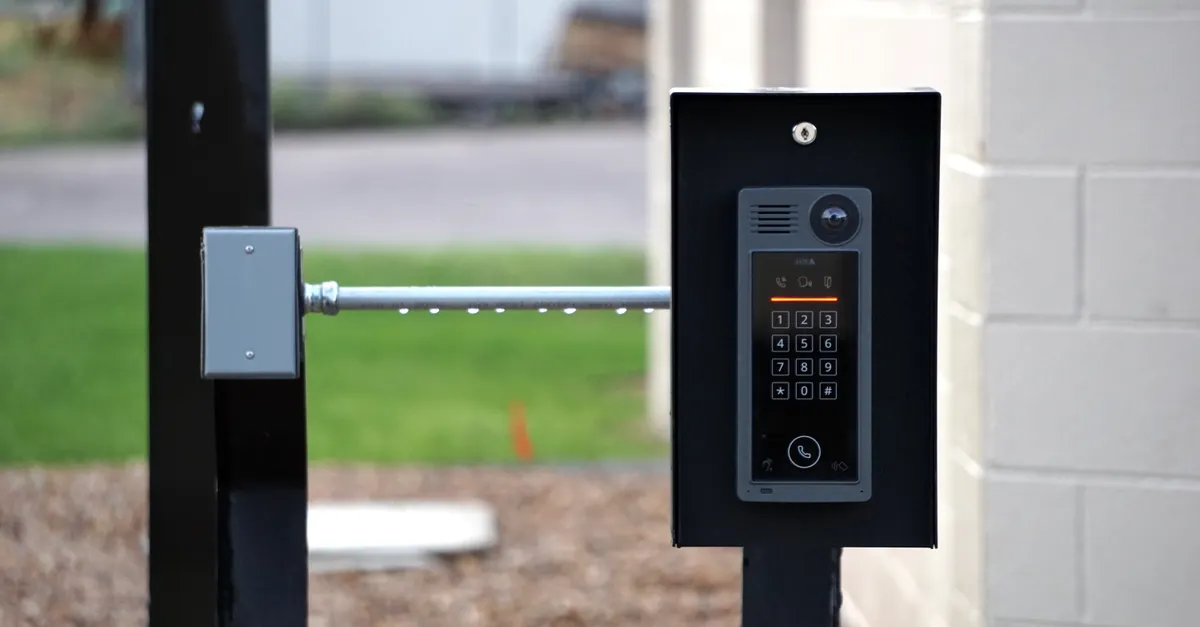
- Smart Doorbells and Locks: Instantly recognize family members, unlock doors automatically, and keep a log of visitors.
- Personalized Entertainment: Media systems can suggest playlists or TV shows based on who is present in the room.
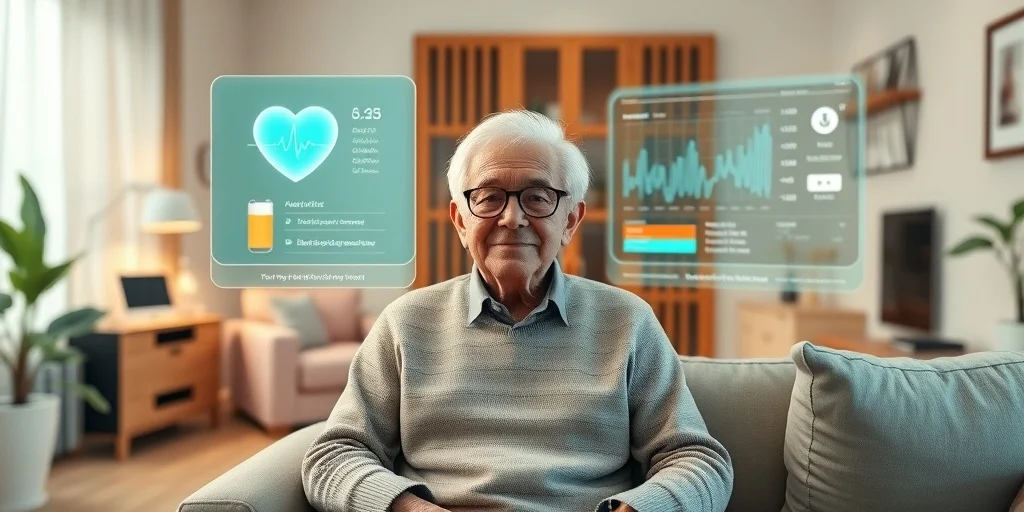
- Child and Elderly Monitoring: Ensure loved ones are safe by tracking their movements and sending alerts if unusual activity is detected.
- Energy Management: Combine with ai occupancy detection in homes to optimize lighting and HVAC systems, reducing energy waste.
- Home Office Security: Restrict access to sensitive areas or equipment, protecting work-from-home setups and confidential information.
These applications illustrate how facial recognition can be tailored to fit a variety of lifestyles and household needs.
Privacy and Security Considerations
While the benefits are significant, it’s important to address privacy and data protection. Homeowners should be aware of how facial data is collected, stored, and used. Here are some best practices:
- Choose devices that store data locally or use strong encryption for cloud storage.
- Regularly update device firmware to patch security vulnerabilities.
- Review and manage who has access to your facial recognition database.
- Inform guests and household members about the presence of facial recognition systems.
Responsible use ensures that the convenience of AI-powered identification does not come at the expense of personal privacy.
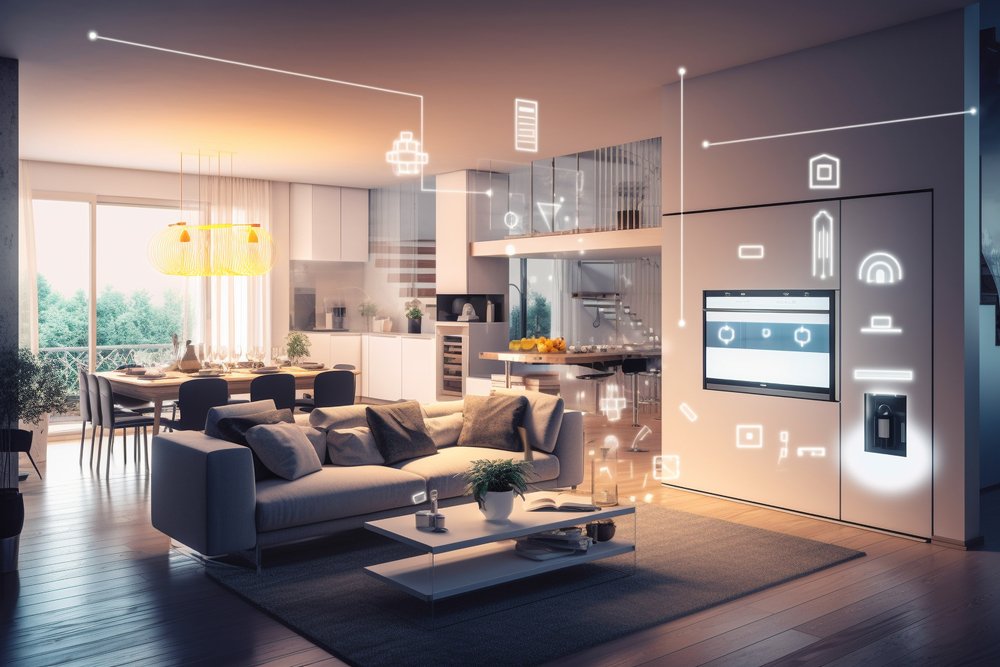
Integrating Facial Recognition with Other Smart Home Systems
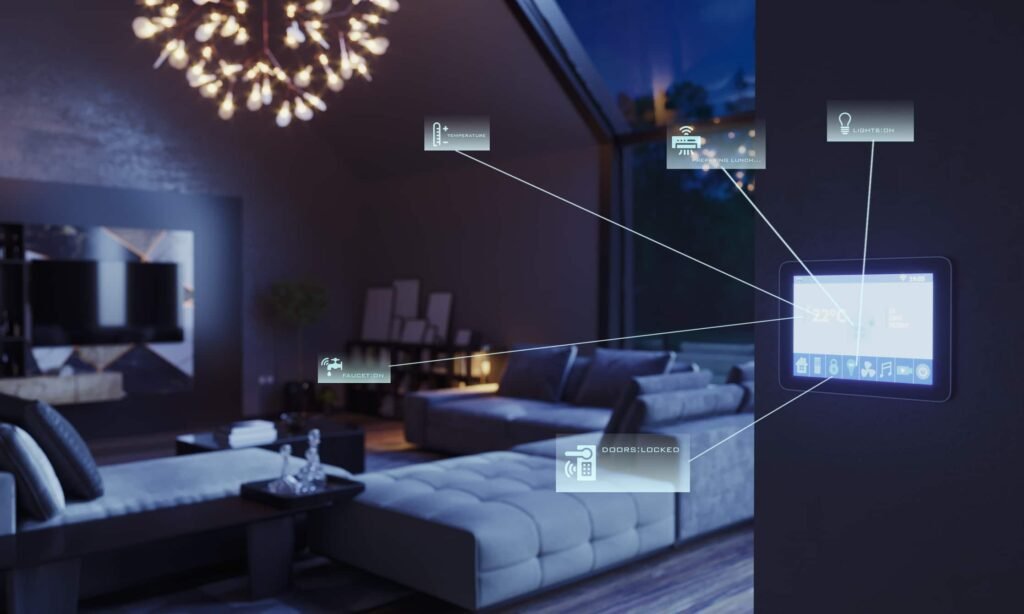
The real power of facial recognition emerges when it is combined with other smart home technologies. For example, pairing with ai remote home monitoring allows for proactive security alerts and remote access management. Integrating with energy management solutions or voice assistants further enhances automation and efficiency.
Developers and enthusiasts can explore ai smart home project ideas to experiment with custom automations, such as triggering specific scenes or routines based on who is detected. This flexibility ensures that facial recognition can evolve alongside your home’s needs.
Challenges and Future Trends
Despite rapid advancements, there are still challenges to address. Accuracy can be affected by lighting, camera placement, or changes in appearance (such as facial hair or glasses). Ongoing improvements in AI algorithms are reducing false positives and negatives, making systems more reliable.
Looking ahead, integration with ai green smart homes with ai and other sustainable technologies is likely to become more common. As standards evolve, expect to see greater interoperability between devices and more robust privacy controls.
For a glimpse into daily life with these innovations, see this overview of AI-enabled smart home solutions and how they are shaping modern living.
FAQ: Common Questions About AI Facial Recognition in Residences
Is facial recognition safe for home use?
When implemented responsibly, facial recognition is generally safe. Choose reputable brands, keep software updated, and ensure strong data encryption. Always inform household members and guests about its presence.
Can facial recognition be fooled by photos or videos?
Most modern systems use liveness detection to distinguish between real faces and images or videos. However, no system is infallible, so combining facial recognition with other security measures is recommended.
How does facial recognition compare to other smart home security options?
Facial recognition offers hands-free, personalized access and automation, which traditional systems like PIN codes or keycards cannot match. However, it is best used as part of a layered security approach for maximum protection.
What happens if the system fails to recognize a face?
Most devices provide backup options, such as manual codes, mobile app access, or physical keys. Regularly updating the facial database and ensuring good camera placement can minimize recognition errors.