As the global population ages, ensuring the safety and independence of older adults has become a growing concern. Falls are one of the leading causes of injury among seniors, often resulting in serious consequences such as fractures, hospitalization, and reduced quality of life. AI fall detection systems are transforming how caregivers, families, and healthcare providers address this challenge, offering advanced monitoring and rapid response capabilities that can help prevent severe outcomes.
These intelligent solutions use artificial intelligence to monitor movement, recognize unusual patterns, and alert caregivers or emergency services when a fall is detected. By leveraging smart sensors, cameras, and data analysis, these technologies provide peace of mind for both seniors and their loved ones. For those interested in broader smart home innovations, exploring topics like ai remote home monitoring can offer additional insights into how AI is shaping the future of independent living.
How AI-Powered Fall Detection Works
Traditional fall detection devices, such as pendants or wearable alarms, often rely on manual activation or simple accelerometer triggers. In contrast, AI-powered fall detection uses sophisticated algorithms and machine learning to interpret sensor data more accurately. These systems can distinguish between normal activities and actual falls, reducing false alarms and ensuring timely intervention.
Common components of these solutions include:
- Wearable devices: Smartwatches or pendants equipped with motion sensors and AI algorithms that analyze movement patterns.
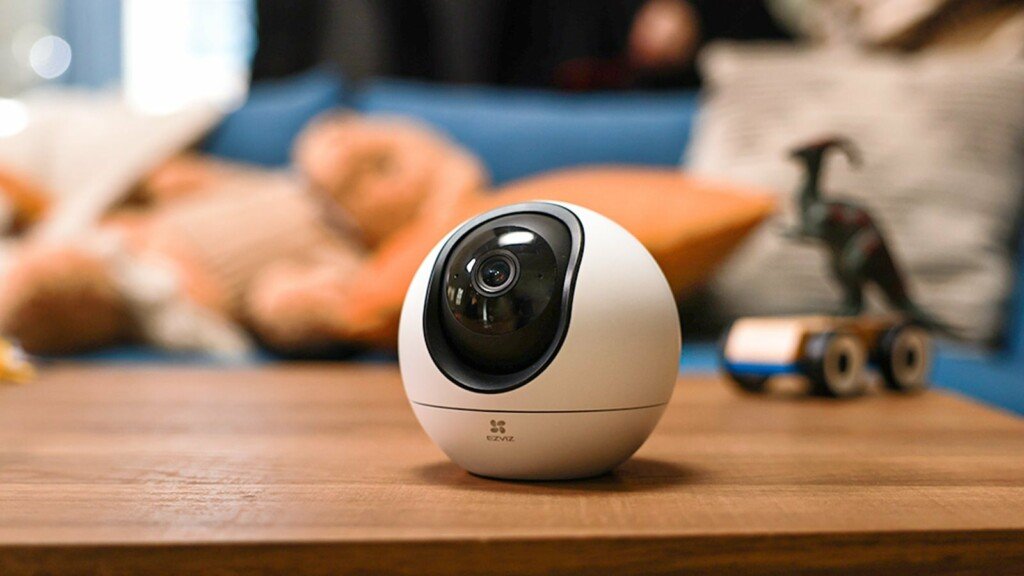
- Vision-based systems: Cameras installed in living spaces that use computer vision to monitor and interpret body movements.
- Environmental sensors: Devices placed around the home to detect sudden changes in position or impact events.
When a potential fall is detected, the system can automatically send alerts to caregivers, family members, or emergency responders, ensuring that help arrives as quickly as possible.
Key Benefits for Seniors and Caregivers
The adoption of AI fall detection systems offers several important advantages:
- Rapid response: Immediate alerts enable faster assistance, which is critical in reducing the severity of injuries and improving recovery outcomes.
- Increased independence: Seniors can maintain their autonomy, knowing that help is available if needed, without the stigma or discomfort of wearing traditional alert devices.
- Peace of mind: Families and caregivers benefit from real-time monitoring and notifications, reducing anxiety about loved ones living alone.
- Reduced false alarms: AI algorithms are better at distinguishing between actual falls and routine movements, minimizing unnecessary disruptions.
Types of AI Fall Detection Technologies
The landscape of intelligent fall detection is diverse, with several approaches tailored to different needs and environments. Some of the most common types include:
- Wearable AI Devices: These are often smartwatches or pendants that continuously monitor the user’s movements. Advanced models use AI to learn the wearer’s typical activity patterns, improving detection accuracy over time.
- Camera-Based Solutions: Vision-based systems use computer vision and deep learning to analyze video feeds. They can detect falls without requiring the user to wear any device, making them ideal for those who may forget or refuse to wear wearables.
- Ambient Sensors: These devices are installed in the environment (such as on walls or ceilings) and use radar, infrared, or pressure sensors to monitor for sudden movements or impacts.
Each technology comes with its own set of advantages and limitations. For example, wearables are portable but require regular charging, while camera-based systems may raise privacy concerns but offer hands-free monitoring.
Challenges and Considerations in Implementation
While AI fall detection systems offer significant promise, there are important factors to consider before adopting these solutions:
- Privacy: Vision-based systems may capture sensitive footage. It’s essential to choose solutions that prioritize data security and allow users to control who can access the information.
- Reliability: No system is perfect. False positives and negatives can occur, so integrating multiple detection methods or backup alerts can improve overall safety.
- User acceptance: Some seniors may resist wearing devices or having cameras in their homes. Involving them in the decision-making process and explaining the benefits can help increase acceptance.
- Integration with other smart home technologies: Combining fall detection with broader smart home systems, such as ai battery management systems for homes or occupancy detection, can create a more comprehensive safety net.
Recent Advances and Research in AI-Based Fall Detection
The field of intelligent fall monitoring is rapidly evolving. Recent research has focused on improving detection accuracy, reducing false alarms, and enhancing user privacy. For example, deep learning models are now capable of analyzing complex movement patterns, making it easier to differentiate between accidental trips and genuine falls.
According to a recent study on AI-based fall detection, integrating multiple sensor types and leveraging advanced algorithms significantly improves both sensitivity and specificity. This means fewer missed incidents and less disruption from unnecessary alerts.
Additionally, the integration of AI with other smart home features—such as environmental controls, health monitoring, and emergency communication—creates a more holistic approach to senior safety. For those interested in further applications, resources like ai smart home project ideas can provide inspiration for expanding home automation.
Choosing the Right Solution for Your Needs
Selecting the best fall detection technology depends on several factors:
- Living environment: Consider whether the individual lives alone, with family, or in a care facility. Some systems are better suited for private homes, while others are designed for communal settings.
- User preferences: Comfort with technology, willingness to wear devices, and privacy concerns should all be taken into account.
- Integration needs: If you already use other smart home technologies, look for solutions that can connect seamlessly with existing systems.
- Budget: Costs can vary widely. Weigh the features and level of protection offered against your budget and long-term needs.
Consulting with healthcare professionals and involving the senior in the decision process can help ensure the chosen system meets both safety and lifestyle requirements.
FAQ: Understanding AI Fall Detection for Seniors
How accurate are AI-based fall detection systems?
Modern AI-powered solutions are highly accurate, especially when they use multiple sensors and advanced algorithms. However, no system is perfect—occasional false alarms or missed falls can occur. Combining different detection methods can further improve reliability.
Are these systems difficult for seniors to use?
Most solutions are designed for ease of use, with minimal setup and automatic operation. Wearable devices may require occasional charging, while camera or sensor-based systems often work in the background without user intervention.
Can AI fall detection be integrated with other smart home technologies?
Yes, many products can connect with broader smart home platforms, allowing for features like remote monitoring, automated emergency calls, and integration with health tracking devices. For more on this, see our guide to ai green smart homes with ai.
What about privacy concerns with camera-based systems?
Privacy is a valid concern. Look for solutions that offer encrypted data storage, allow users to control access, and use edge processing (analyzing data locally rather than in the cloud) to minimize risk.
Conclusion
The adoption of AI fall detection systems marks a significant step forward in protecting seniors from the dangers of falls. By providing accurate, real-time monitoring and rapid alerts, these technologies empower older adults to live independently while offering reassurance to families and caregivers. As research and development continue, these systems will become even more effective and accessible, making them a valuable addition to any senior safety plan.