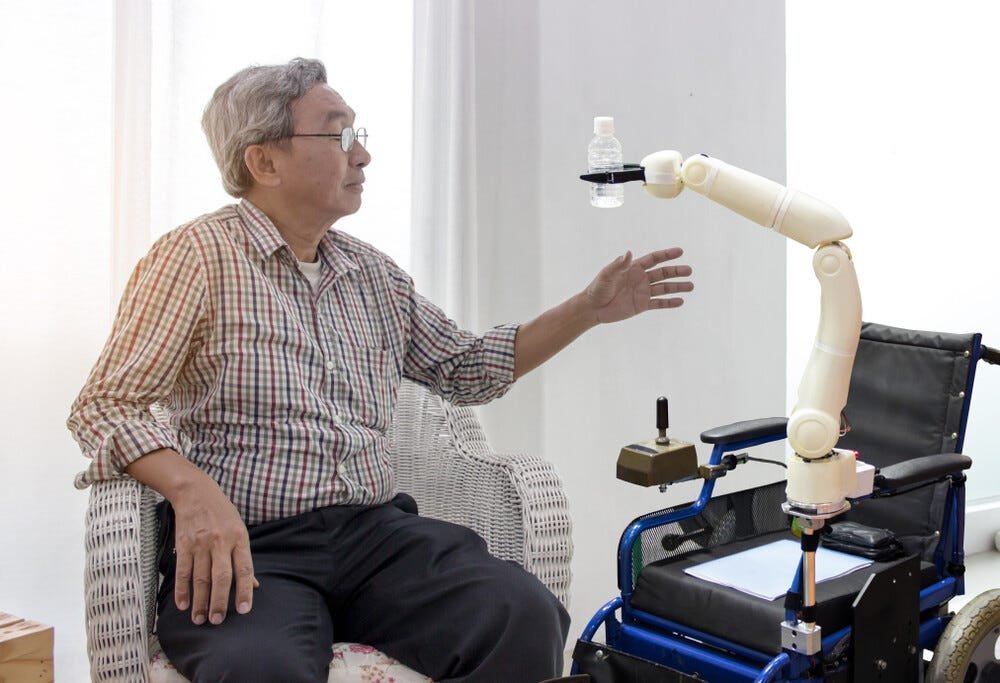
The growing prevalence of Alzheimer’s disease has made home care more challenging and complex for families and caregivers. As the population ages, the need for effective, reliable, and compassionate support at home is greater than ever. AI for Alzheimer’s home care is emerging as a transformative solution, offering both early detection of cognitive changes and practical daily assistance for those living with dementia.
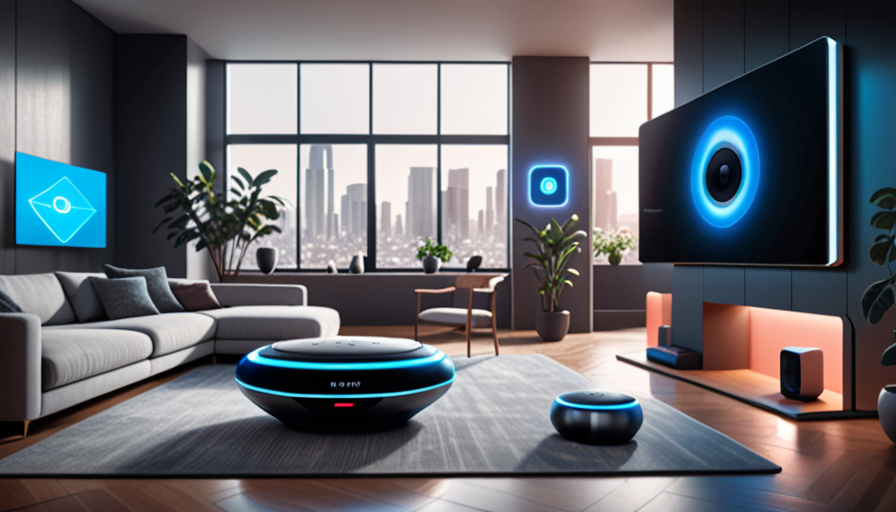
Integrating artificial intelligence into the home environment can help monitor health, improve safety, and support independence for individuals with Alzheimer’s. From smart sensors that detect unusual activity to voice assistants that provide reminders, these technologies are reshaping what’s possible in dementia care. For those interested in broader applications of AI in the home, exploring resources like deep learning applications in smart homes can offer additional insights.
How Artificial Intelligence Supports Dementia Care at Home
Modern AI-powered tools for Alzheimer’s home support are designed to address two major needs: identifying early signs of cognitive decline and assisting with daily routines. These systems use a combination of sensors, data analytics, and machine learning to provide real-time insights and interventions.
- Early detection: AI algorithms can analyze speech patterns, movement, and behavior changes to flag potential cognitive issues before they become severe.
- Routine assistance: Smart devices can remind users to take medication, attend appointments, or complete daily tasks, reducing caregiver burden.
- Safety monitoring: Sensors and cameras can alert caregivers to falls, wandering, or unusual activity, improving response times in emergencies.
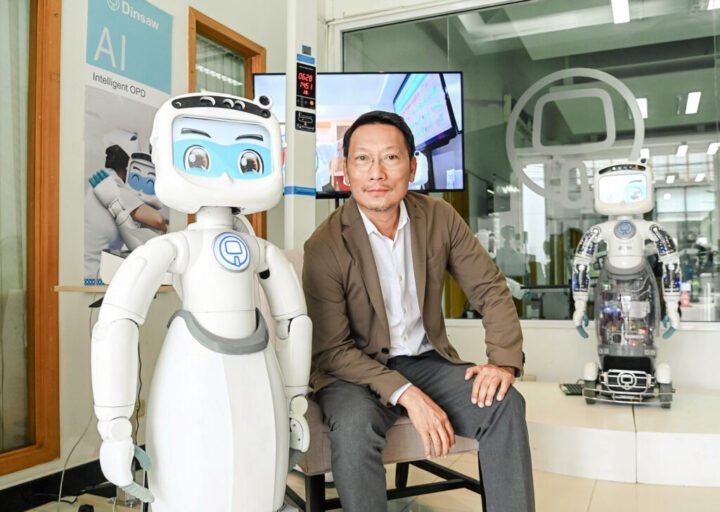
These technologies are not meant to replace human caregivers but to complement their efforts, making home care more proactive and less stressful.
Early Detection: The Role of AI in Identifying Cognitive Changes
One of the most significant advantages of AI for Alzheimer’s home care is its ability to detect subtle changes in behavior or cognition that might otherwise go unnoticed. For example, AI-powered speech analysis can pick up on changes in vocabulary, sentence structure, or hesitation, which may indicate early cognitive decline.
Wearable devices and smart home sensors can track daily activity levels, sleep patterns, and even gait changes. By continuously collecting and analyzing this data, AI systems can alert family members or healthcare providers to potential issues, enabling earlier intervention and better outcomes.

Daily Assistance: Enhancing Independence and Safety
Beyond early detection, AI-driven daily assistance for dementia is making it possible for individuals with Alzheimer’s to remain at home longer and more safely. Voice-activated assistants can provide step-by-step instructions for daily tasks, play favorite music, or connect users with loved ones through video calls.
Smart home systems can automate lighting, adjust thermostats, and lock doors, reducing risks associated with forgetfulness. For those interested in optimizing other aspects of the home, learning about ai thermostat benefits can further enhance comfort and safety.
- Medication reminders: Automated alerts help ensure medications are taken on time.
- Appointment scheduling: AI can sync with calendars to remind about doctor visits or social events.
- Environmental controls: Smart devices can adjust lighting and temperature for comfort and safety.
These features not only support the person with dementia but also provide peace of mind for caregivers, knowing that technology is helping to fill gaps in supervision.
Privacy, Ethics, and Human Connection in AI-Enabled Care
While the benefits of AI in Alzheimer’s home support are significant, it’s important to address privacy and ethical considerations. Continuous monitoring and data collection can raise concerns about personal privacy and consent, especially for individuals who may not fully understand the technology.
Developers and caregivers must ensure that AI systems are transparent, secure, and respect the dignity of those they serve. Human connection remains essential—technology should enhance, not replace, the empathy and understanding that only people can provide.
For more information on ethical approaches and research in senior care, the Stanford Center for Research in Senior Care offers valuable insights into best practices and ongoing studies.
Integrating AI Solutions Into the Home Environment
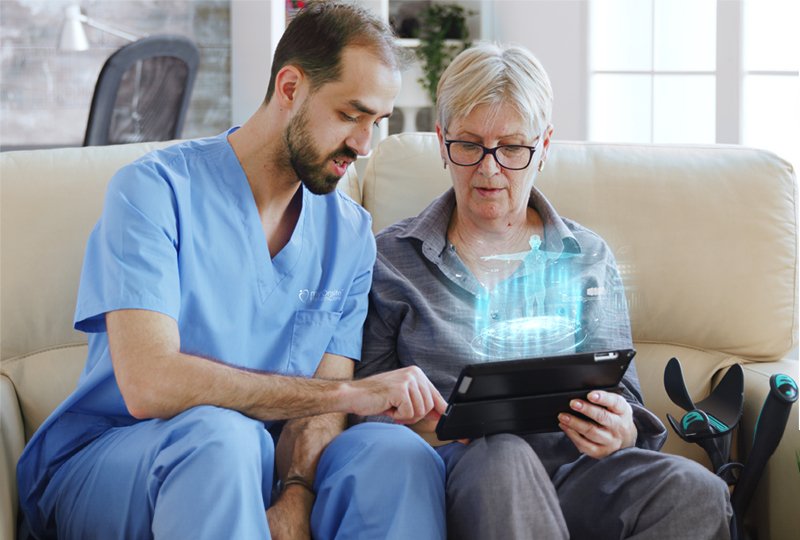
Setting up AI-based home care for Alzheimer’s requires careful planning and customization. Each individual’s needs and preferences are unique, so it’s important to choose technologies that align with their routines and comfort level.
- Assess current needs: Identify which daily tasks or safety concerns could benefit from automation or monitoring.
- Choose compatible devices: Select AI-powered tools that work seamlessly with existing home systems.
- Involve the person with dementia: Whenever possible, include them in decisions about new technology to promote acceptance and ease of use.
- Monitor and adjust: Regularly review how well the system is working and make adjustments as needs change.
For those interested in expanding their smart home ecosystem, resources such as the ai voice assistants for home automation guide can help with integrating voice controls and other advanced features.
Challenges and Future Directions for AI in Dementia Care
While the promise of AI for Alzheimer’s home care is substantial, there are still challenges to address. Technology adoption can be difficult for older adults, especially those unfamiliar with digital devices. Cost, internet connectivity, and the need for ongoing support can also be barriers.
However, as AI becomes more user-friendly and affordable, its role in dementia care will likely expand. Future developments may include more personalized interventions, improved natural language processing, and greater integration with healthcare providers. As research progresses, the focus will remain on enhancing quality of life and supporting independence for those living with Alzheimer’s.
FAQ
What are the main benefits of using AI in Alzheimer’s home support?
The primary advantages include early detection of cognitive changes, improved safety through monitoring, routine reminders for daily tasks, and reduced caregiver stress. AI can help individuals maintain independence while providing peace of mind for families.
Is AI technology difficult for older adults to use?
Many modern AI devices are designed with simplicity in mind, featuring voice controls, large displays, and intuitive interfaces. Involving the person with dementia in the setup process and choosing user-friendly tools can help ease the transition.
How can privacy be protected when using AI monitoring at home?
It’s important to select systems that prioritize data security and offer clear privacy policies. Caregivers should discuss monitoring with the person receiving care and ensure that consent is obtained whenever possible. Regularly reviewing device settings and limiting data sharing can also help protect privacy.
Are there other smart home technologies that can help with dementia care?
Yes, in addition to AI-powered monitoring and reminders, technologies such as smart lighting, automated thermostats, and voice assistants can make the home environment safer and more comfortable. For more ideas, see the AI smart lighting systems guide.