As the global population ages, the need for reliable and proactive health solutions for seniors becomes more urgent. AI health monitoring at home is transforming how older adults and their families approach safety, wellness, and independence. By combining smart devices, intelligent software, and remote connectivity, these systems offer a practical way to support aging in place while reducing risks and easing caregiver burdens.
This article explores how artificial intelligence is reshaping home-based health care for seniors, the types of technologies available, and what families should consider when adopting these solutions. For those interested in related innovations, you may also want to read about AI remote home monitoring and its impact on modern living.
Understanding Smart Health Monitoring for Seniors
The integration of AI-powered health monitoring into the home environment allows elderly individuals to maintain their independence while ensuring that their well-being is continually assessed. These systems leverage sensors, wearables, and connected devices to track vital signs, detect unusual patterns, and alert caregivers or medical professionals if intervention is needed.
Unlike traditional medical alert systems, modern AI-driven platforms can analyze trends over time, predict potential issues, and even provide reminders for medication or appointments. This proactive approach helps prevent emergencies and supports a higher quality of life.
Key Technologies in Home-Based AI Health Solutions
Several types of devices and platforms contribute to effective AI health monitoring at home for older adults:
- Wearable Devices: Smartwatches and fitness trackers can monitor heart rate, sleep quality, physical activity, and falls. Many models now include AI algorithms that detect anomalies and send real-time alerts.
- Remote Sensors: Non-intrusive sensors placed throughout the home can track movement, detect inactivity, and monitor environmental factors such as temperature or air quality.
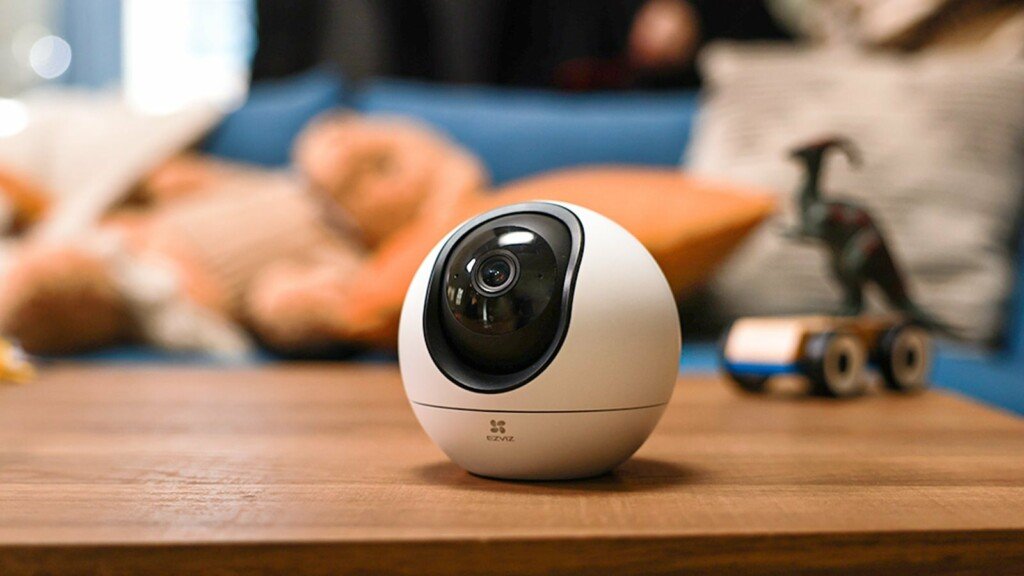
- Smart Cameras: Cameras equipped with AI can recognize patterns, detect emergencies, and even facilitate video calls with caregivers or family members.
- Voice Assistants: AI-powered speakers can remind users to take medication, schedule appointments, or call for help using simple voice commands.
- Integrated Health Platforms: These platforms collect data from multiple sources, analyze it, and present actionable insights to caregivers and healthcare providers.

Benefits of AI-Driven Monitoring for Older Adults
Adopting AI-based health monitoring at home provides a range of advantages for seniors and their families:
- Increased Safety: Immediate alerts for falls, irregular heart rates, or inactivity can help prevent serious health incidents.
- Peace of Mind: Family members and caregivers can check in remotely, ensuring their loved ones are safe without being intrusive.
- Personalized Care: AI systems learn individual routines and can tailor reminders or alerts based on unique needs.
- Reduced Hospitalizations: Early detection of health issues allows for timely intervention, potentially avoiding emergency room visits.
- Support for Independent Living: Seniors can remain in their own homes longer, maintaining autonomy and comfort.
Challenges and Considerations in Home Health AI
While the benefits are significant, there are important factors to consider before implementing these technologies:
- Privacy Concerns: Continuous monitoring raises questions about data security and personal privacy. It is essential to choose systems with robust encryption and clear data policies.
- Ease of Use: Devices should be intuitive and accessible for seniors, with minimal setup and easy-to-understand interfaces.
- Integration: Compatibility with existing medical devices, smartphones, or home automation systems can enhance the overall experience.
- Cost: Some solutions may require a significant investment. Families should weigh the features against their budget and needs.
- Reliability: Dependable internet connectivity and power sources are crucial for uninterrupted service.
For a deeper look at how artificial intelligence is being used in elderly care, see this comprehensive overview of AI in elderly care.
Popular Examples of AI Health Monitoring Devices
The market for smart health solutions is growing rapidly. Here are some examples of devices and systems that are making a difference for seniors:
- Smartwatches: Many models now feature fall detection, heart rate monitoring, and emergency SOS functions, making them invaluable for seniors living alone.
- AI-Enabled Cameras: These can detect unusual movement patterns, recognize emergencies, and allow for two-way communication with caregivers.
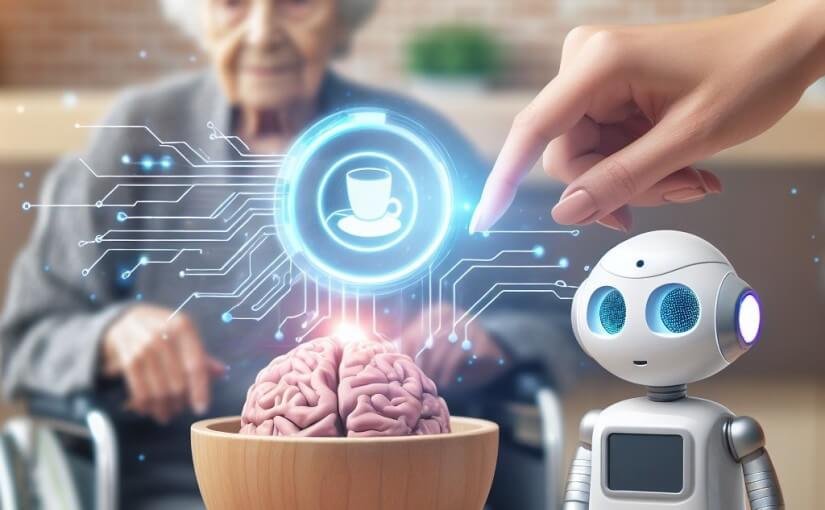
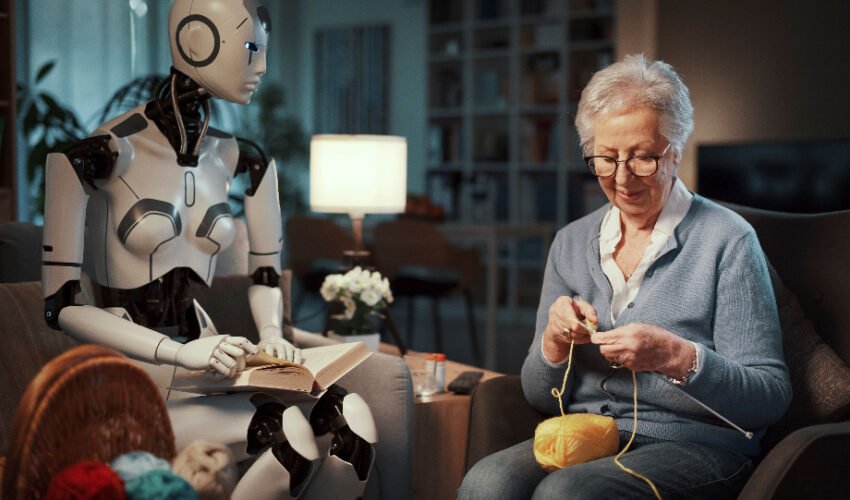
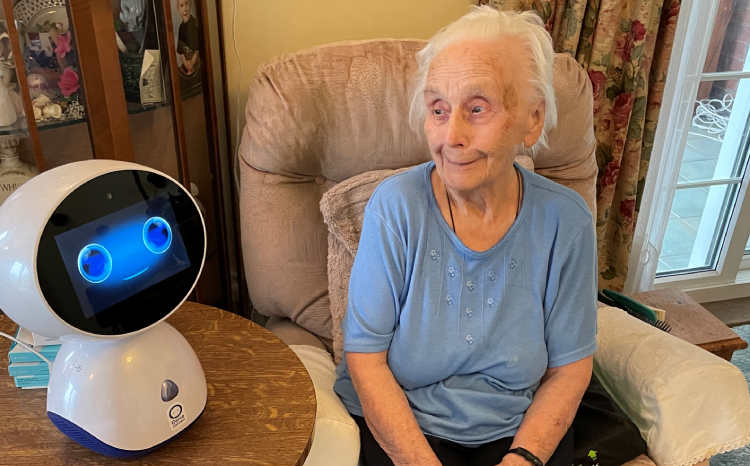
- Home Care Robots: Some advanced systems offer companionship, medication reminders, and even basic health checks, all powered by artificial intelligence.
- Remote Health Platforms: These platforms aggregate data from various sources, providing a comprehensive view of the user’s health and alerting caregivers to any concerns.
How to Choose the Right Home Health Monitoring Solution
Selecting the best system for your needs involves considering several factors:
- Assess Health Needs: Identify which conditions or risks are most relevant, such as fall detection, heart health, or medication management.
- Evaluate Device Features: Look for user-friendly interfaces, reliable alert systems, and compatibility with other devices in the home.
- Check Data Security: Ensure the provider uses strong encryption and clear privacy policies.
- Consider Support and Maintenance: Choose solutions with accessible customer support and regular software updates.
- Budget: Compare costs, including any subscription fees or required accessories.
For those interested in integrating additional smart home features, exploring AI smart home project ideas can provide further inspiration for creating a safer, more connected environment.
Integrating AI Health Monitoring with Other Smart Home Systems
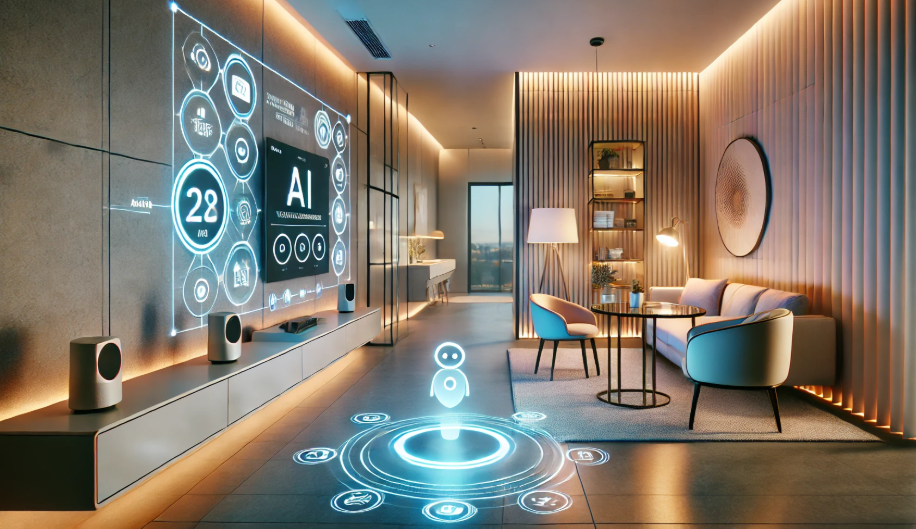
Many families are combining health monitoring with other intelligent home technologies, such as AI battery management systems for homes or AI occupancy detection in homes. This integration can enhance safety, energy efficiency, and overall convenience, making daily life easier for seniors and their caregivers.
FAQ
What types of health data can AI home monitoring systems track?
Most solutions can monitor vital signs such as heart rate, blood pressure, and oxygen levels. They may also track movement, sleep patterns, medication adherence, and environmental conditions within the home.
Is it difficult for elderly users to operate these devices?
Many devices are designed with seniors in mind, featuring simple interfaces, voice controls, and automated alerts. Setup and daily use are typically straightforward, but family support may be helpful during the initial installation.
How secure is the personal data collected by these systems?
Reputable providers use strong encryption and follow strict privacy standards. It’s important to review each system’s data policies and choose solutions that prioritize user confidentiality.
Can these technologies replace in-person care?
While AI monitoring enhances safety and independence, it is not a substitute for hands-on care when needed. These systems are most effective when used alongside regular check-ins from family or professional caregivers.
Conclusion
The adoption of AI health monitoring at home is rapidly improving the quality of life for elderly adults, offering peace of mind, safety, and greater independence. By understanding the available technologies and carefully considering privacy, usability, and integration, families can make informed choices that support healthy aging in place. As artificial intelligence continues to evolve, its role in home-based care will only become more significant, helping seniors live fuller, safer lives.