The integration of AI home automation and big data is transforming how we interact with our living spaces. By combining artificial intelligence with the vast amounts of information generated by smart devices, modern homes are becoming more efficient, secure, and responsive to our needs. This article explores how these technologies work together, the benefits they offer, and what homeowners should know about adopting intelligent systems.
As the number of connected devices in homes increases, so does the volume of data they produce. Artificial intelligence processes this information to automate tasks, optimize energy use, and enhance security. Understanding the synergy between automation and data analytics is key to making informed decisions about smart home upgrades.
For those interested in exploring related innovations, the ai battery management systems for homes article provides insights into energy optimization using artificial intelligence.
How Artificial Intelligence Powers Smart Homes
Artificial intelligence is at the core of modern home automation. It enables devices to learn from user behavior, adapt to routines, and make real-time decisions. For example, smart thermostats use AI to analyze temperature preferences and occupancy patterns, adjusting heating and cooling automatically for comfort and efficiency.
Voice assistants, such as Amazon Alexa or Google Assistant, rely on machine learning algorithms to understand commands and integrate with other smart devices. This seamless connectivity allows homeowners to control lighting, appliances, and security systems with simple voice prompts or through mobile apps.
AI also plays a significant role in predictive maintenance. By monitoring device performance and usage trends, intelligent systems can alert users to potential issues before they become costly problems. This proactive approach helps extend the lifespan of home appliances and reduces downtime.
The Role of Big Data in Home Automation
Big data refers to the massive volumes of information generated by connected devices in a smart home. Every action—whether it’s adjusting a thermostat, unlocking a smart door, or streaming media—creates data points. When aggregated and analyzed, this information provides valuable insights into household habits and system performance.
By leveraging big data, AI-driven platforms can:
- Identify patterns in energy consumption and suggest ways to reduce waste
- Detect unusual activity that may indicate security threats
- Personalize automation routines based on user preferences
- Continuously improve device performance through software updates
For a deeper dive into the challenges of integrating these technologies, see the ai smart home implementation challenges resource.
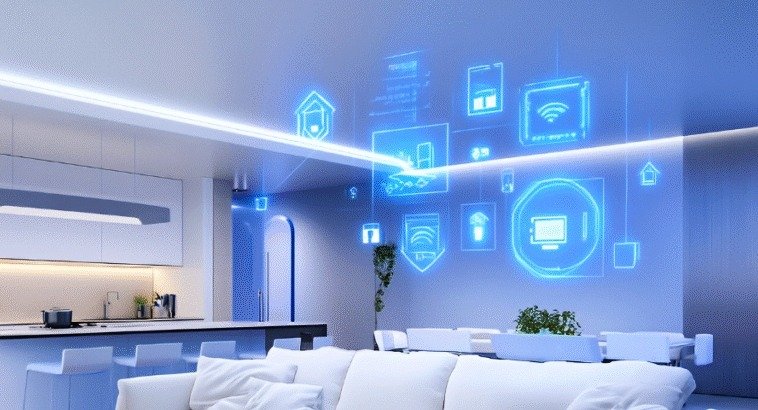
Benefits of Integrating Automation and Data Analytics
Combining ai home automation and big data brings several advantages for homeowners:
- Energy Efficiency: AI analyzes usage data to optimize heating, cooling, and lighting, reducing utility bills.
- Enhanced Security: Intelligent systems monitor for unusual activity, alerting users to potential threats and automating responses such as locking doors or activating alarms.
- Convenience: Personalized routines automate daily tasks, from brewing coffee in the morning to adjusting lighting in the evening.
- Predictive Maintenance: Data-driven insights help anticipate equipment failures, allowing for timely repairs and minimizing disruptions.
- Accessibility: Voice and app controls make it easier for people with mobility challenges to manage their homes.
For those interested in security, the ai smart home security best practices article covers strategies for protecting your connected home.
Real-World Applications and Use Cases
Smart home technology is already making a difference in everyday life. Some practical examples include:
- Smart lighting systems that adjust brightness based on natural light and occupancy
- Automated window shades that respond to weather conditions and time of day
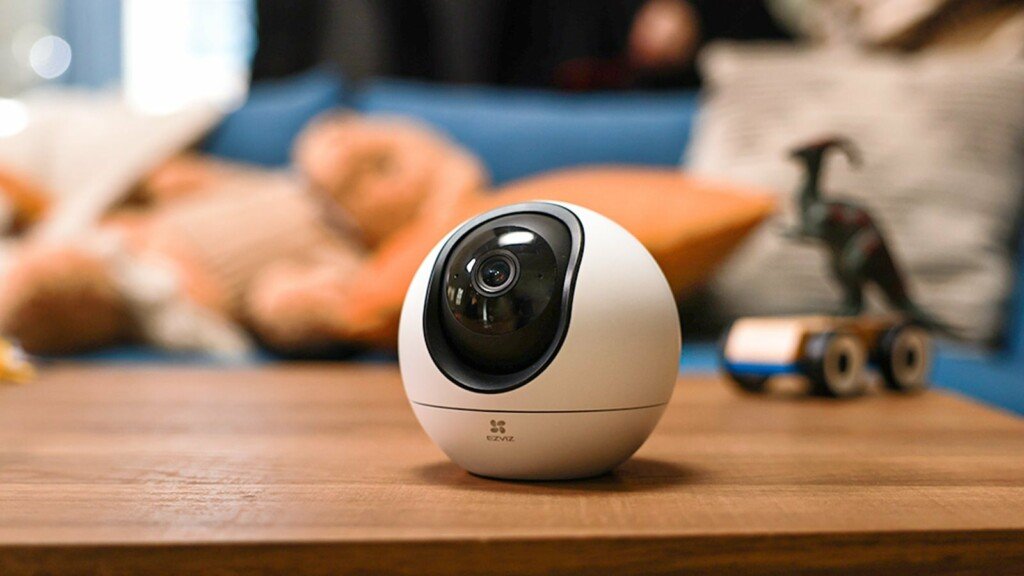
- Security cameras that use AI to distinguish between family members, pets, and strangers
- Refrigerators that track inventory and suggest grocery lists based on consumption patterns
- Voice-activated entertainment systems that recommend content based on viewing history
Students and hobbyists can find inspiration in the ai smart home project ideas guide, which offers creative ways to experiment with automation and data analytics.
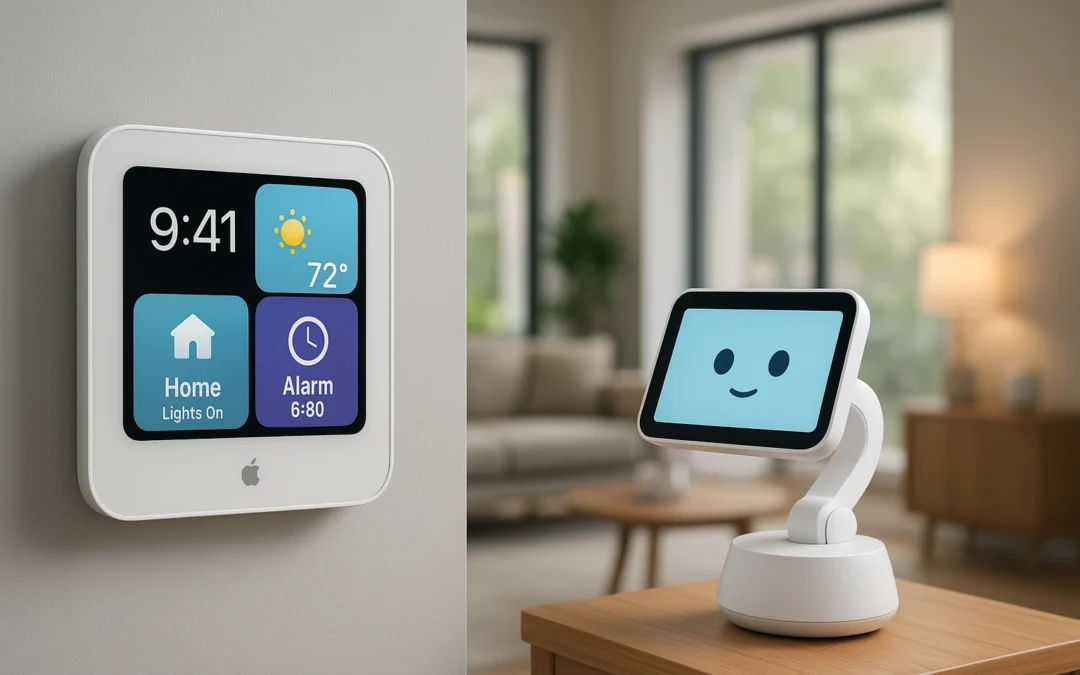
Privacy and Security Considerations
While the benefits of intelligent automation are clear, homeowners must also consider privacy and data protection. The collection and analysis of personal information raise important questions about who has access to the data and how it is used.
To safeguard your home and information:
- Choose reputable brands that offer strong encryption and regular software updates
- Review privacy policies to understand what data is collected and how it is shared
- Use unique, strong passwords for all smart devices and home networks
- Enable multi-factor authentication where possible
- Regularly update device firmware to patch security vulnerabilities
For more on this topic, the article on how AI is transforming smart homes provides a comprehensive overview of comfort, security, and energy efficiency enhancements.
Future Trends in Intelligent Home Technology
The evolution of ai home automation and big data is ongoing. Future developments are likely to focus on greater interoperability between devices, more advanced predictive analytics, and increased use of edge computing to process data locally for faster responses and improved privacy.
Researchers are also exploring ways to make smart home systems more intuitive, reducing the need for manual programming. As machine learning models become more sophisticated, homes will be able to anticipate needs and adapt to changes in real time.
For those interested in academic and industry research, the ai smart home research topics resource highlights emerging areas of study in this rapidly growing field.
FAQ
What is the main advantage of combining AI and big data in home automation?
The primary benefit is the ability to personalize and optimize home environments. By analyzing large volumes of data, AI systems can automate tasks, improve energy efficiency, and enhance security based on real user behavior and preferences.
Are there privacy risks with smart home devices?
Yes, privacy is a key concern. Smart devices collect and transmit personal data, which can be vulnerable if not properly protected. Homeowners should choose devices with robust security features, keep software up to date, and understand how their data is used.
How can I start integrating AI and data analytics into my home?
Begin by identifying areas where automation can add value, such as lighting, climate control, or security. Invest in compatible devices from trusted brands, set up a secure home network, and explore apps or platforms that offer AI-driven automation and insights.