Advancements in ai home automation for disabled users are transforming how people with mobility, sensory, or cognitive challenges interact with their living spaces. By integrating artificial intelligence with smart home devices, daily routines become more accessible, safe, and comfortable for everyone. This guide explores the latest innovations, practical benefits, and key considerations for implementing intelligent home solutions tailored to diverse accessibility needs.
For those interested in expanding their smart home ecosystem, exploring resources like the ai battery management systems for homes can provide additional insights into energy efficiency and reliability.
How Artificial Intelligence Enhances Accessibility
Artificial intelligence brings a new level of personalization and automation to home environments. For individuals with disabilities, this means greater independence and control over their surroundings. AI-powered systems can learn user preferences, predict needs, and automate tasks that might otherwise require physical effort or assistance.
- Voice assistants like Alexa or Google Assistant allow users to control lights, thermostats, and appliances with simple spoken commands.
- Smart sensors detect movement or environmental changes, automatically adjusting lighting or temperature for comfort and safety.
- Automated routines can open doors, close blinds, or start appliances at scheduled times or in response to specific triggers.
These features are especially valuable for people with limited mobility, vision impairments, or cognitive challenges, as they reduce the need for manual interaction with devices.
Key Features of AI-Driven Home Automation for Accessibility
When designing a smart home for accessibility, several AI-driven features stand out for their ability to enhance daily living:
- Customizable voice controls that recognize different speech patterns and languages, making them usable by a wider range of individuals.
- Predictive automation that learns routines and anticipates needs, such as adjusting lighting based on time of day or activity.
- Remote monitoring for caregivers or family members, providing peace of mind and rapid response in emergencies.
- Integration with assistive devices like wheelchairs or hearing aids, allowing seamless control of the environment.
For students and tech enthusiasts, exploring ai smart home project ideas can inspire custom solutions tailored to specific accessibility requirements.
Popular Devices and Solutions for Inclusive Smart Homes
Modern smart homes offer a wide array of devices that leverage AI to support accessibility. Some of the most impactful options include:
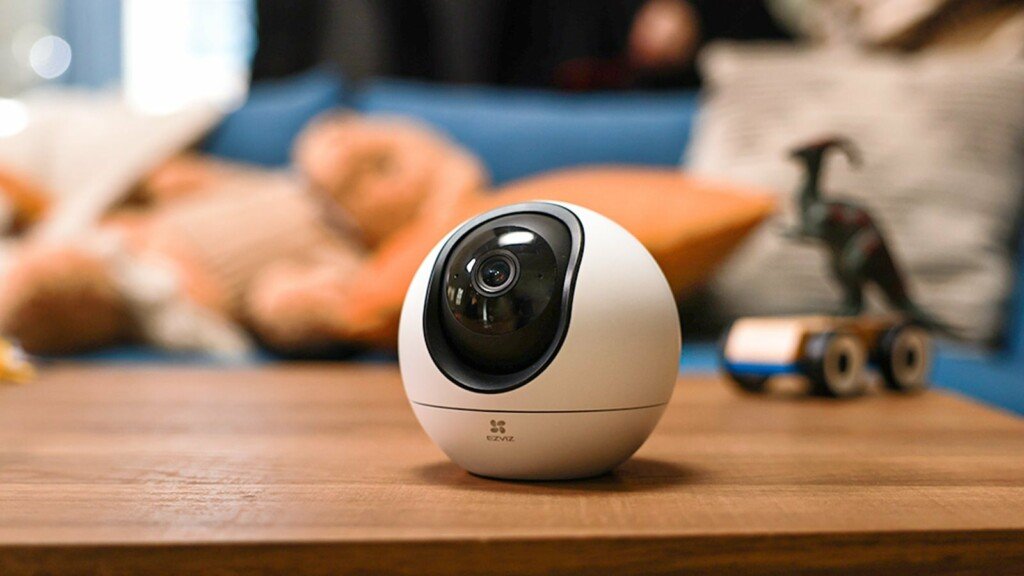
- Smart doorbells with video and two-way audio, enabling users to see and communicate with visitors without moving to the door.
- Automated lighting systems that adjust brightness or color temperature based on time, activity, or user preference.
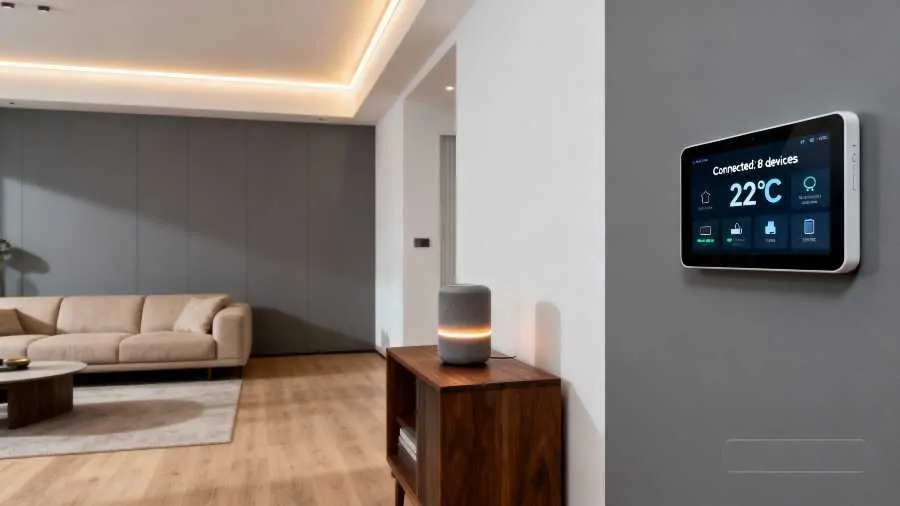
- Connected thermostats that maintain optimal comfort and can be controlled remotely or via voice.
- Security systems with AI-powered alerts, facial recognition, and emergency response integration.
For a deeper dive into customizing bedroom environments, the ai smart bedroom automation guide offers practical tips for creating restful, accessible spaces.
Benefits of AI Home Automation for People with Disabilities
The advantages of implementing intelligent home technology for accessibility are far-reaching:
- Increased independence: Users can perform daily tasks without assistance, fostering confidence and self-reliance.
- Enhanced safety: Automated alerts, fall detection, and emergency features provide rapid support when needed.
- Improved comfort: Personalized settings ensure the home environment adapts to individual needs and preferences.
- Reduced caregiver burden: Family members and caregivers can monitor and assist remotely, allowing more autonomy for the user.
Research continues to highlight the positive impact of these technologies on quality of life. For example, a recent study on AI-enabled home automation for accessibility demonstrates significant improvements in daily living for users with mobility and sensory challenges.

Challenges and Considerations in Implementing Smart Accessibility
While the benefits are clear, there are important factors to consider when adopting AI-powered home automation for accessibility:
- Device compatibility: Ensuring all devices work together seamlessly can be complex, especially in homes with legacy technology.
- Privacy and security: AI systems often collect sensitive data, so robust security measures and privacy controls are essential.
- Affordability: Some solutions can be costly, though prices are gradually decreasing as technology becomes more widespread.
- Ease of setup and use: Interfaces should be intuitive and accessible to users with varying abilities.
For those interested in monitoring their home remotely, the ai remote home monitoring resource provides guidance on selecting and configuring systems for peace of mind.
Personalizing the Smart Home Experience
One of the greatest strengths of AI in home automation is its ability to adapt to each user’s unique needs. Modern systems can learn from daily routines, adjust settings automatically, and even provide proactive suggestions for greater comfort and efficiency. For example, an AI-powered system might dim the lights and lower the blinds at bedtime or remind users to take medication at scheduled times.
For more on tailoring your environment, see the ai smart home personalization article for strategies on making smart homes truly user-centric.
Future Trends in Accessible Smart Home Technology
The landscape of accessible home automation is rapidly evolving. Emerging trends include:
- Advanced natural language processing for more accurate and flexible voice control.
- Context-aware automation that responds to subtle cues like mood, presence, or health metrics.
- Integration with wearable devices for continuous monitoring and seamless interaction.
- Greater interoperability between brands and platforms, simplifying setup and expanding options.
As these innovations mature, they promise to make smart homes even more accessible, intuitive, and empowering for users with disabilities.
Frequently Asked Questions
What types of disabilities can benefit from AI-powered home automation?
AI-driven smart home solutions can assist individuals with a wide range of disabilities, including mobility impairments, vision or hearing loss, and cognitive challenges. Features like voice control, automated routines, and remote monitoring are especially helpful for enhancing independence and safety.
Are AI smart home systems difficult to set up for accessibility?
Many modern systems are designed for easy installation and use, with intuitive interfaces and step-by-step guides. However, some customization may be needed to address specific accessibility needs. Consulting with accessibility specialists or support organizations can help ensure the best setup.
How can I ensure my smart home devices are secure and protect my privacy?
Choose devices from reputable manufacturers, keep software updated, and use strong passwords. Look for systems that offer robust privacy controls and data encryption. Regularly review device permissions and consult resources like research on AI and home automation security for best practices.