
The rapid growth of artificial intelligence in smart homes is transforming the way we interact with our living spaces. From voice-activated assistants to adaptive lighting and energy management, AI-powered automation offers convenience, efficiency, and personalization. However, integrating these advanced systems into existing home environments is far from straightforward. Homeowners, developers, and integrators encounter a range of technical, security, and usability obstacles that must be addressed for seamless operation.
This article explores the most significant ai home automation integration challenges faced today. We’ll look at the technical barriers, compatibility issues, security concerns, and practical considerations that arise when bringing AI-driven solutions into modern homes. For those interested in the foundational aspects of smart home technology, reviewing the ai home automation programming basics can provide helpful context before diving deeper into integration complexities.
Technical Barriers in Smart Home AI Integration
One of the most persistent issues in deploying AI within home automation is the technical complexity of integrating diverse hardware and software platforms. Many smart home devices use proprietary protocols, making it difficult for AI algorithms to communicate effectively across brands and generations of equipment. This fragmentation often results in:
- Limited interoperability between devices from different manufacturers
- Challenges in updating or scaling existing systems
- Increased setup and maintenance requirements for homeowners
For example, integrating a new AI-powered thermostat with legacy lighting or security systems may require custom bridges or middleware, increasing both cost and potential points of failure. Open standards like Zigbee, Z-Wave, and Matter are helping, but the ecosystem remains fragmented.
Those seeking to optimize network performance in these environments may benefit from resources like the ai mesh networks for homes guide, which addresses connectivity and reliability in multi-device smart homes.
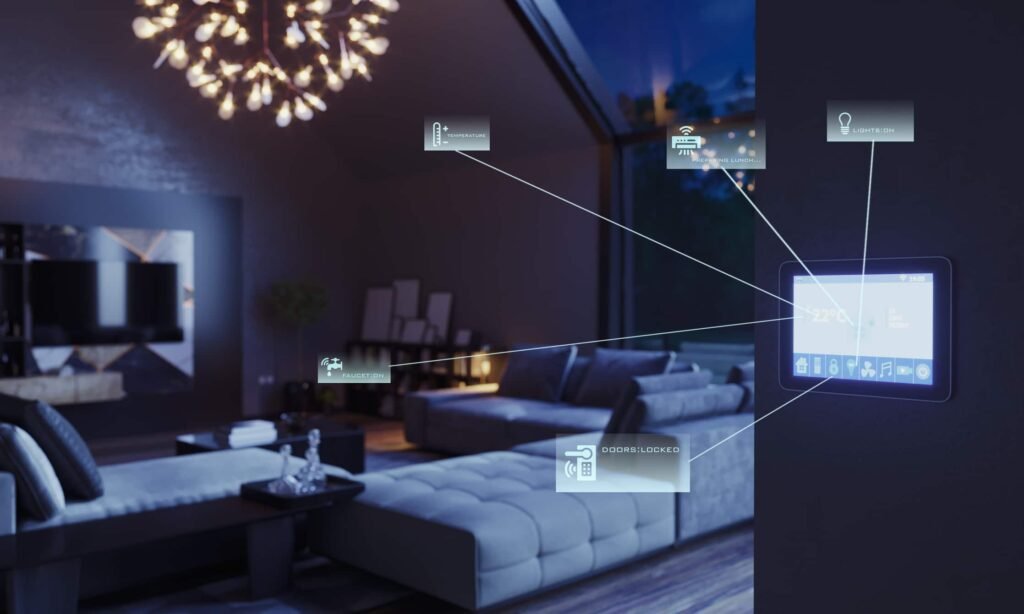
Security and Privacy Concerns in AI-Driven Homes
As AI systems become more deeply embedded in home automation, security and privacy risks increase. Smart devices often collect sensitive data, such as voice recordings, video feeds, and behavioral patterns. Integrating AI adds another layer of complexity, as these systems may process and transmit data in ways that are not always transparent to users.
Key concerns include:
- Unauthorized access to personal data through poorly secured devices
- Vulnerabilities in cloud-based AI services
- Potential misuse of data for targeted advertising or surveillance
Protecting against these risks requires robust encryption, regular software updates, and clear privacy policies. Homeowners should also be aware of the trade-offs between convenience and security, especially when enabling remote access or third-party integrations.
For those interested in the analytics side of smart homes, the ai smart home analytics guide offers insights into how data is collected and used, which can inform privacy strategies.
Compatibility and Legacy System Issues
Another major challenge is ensuring that new AI-powered devices work smoothly with existing home infrastructure. Many homes have a mix of old and new technologies, and not all legacy systems are compatible with modern AI solutions. This can lead to:
- Partial automation, where only select devices are controlled by AI
- Frequent troubleshooting and manual intervention
- Frustration for users expecting seamless operation
Manufacturers are beginning to address these issues by offering backward compatibility and software updates, but progress is uneven. Homeowners may need to replace outdated hardware or invest in additional hubs to achieve full integration.
For those exploring energy management, reviewing the ai home automation for energy storage resource can help identify compatible solutions for optimizing power usage in mixed-technology environments.
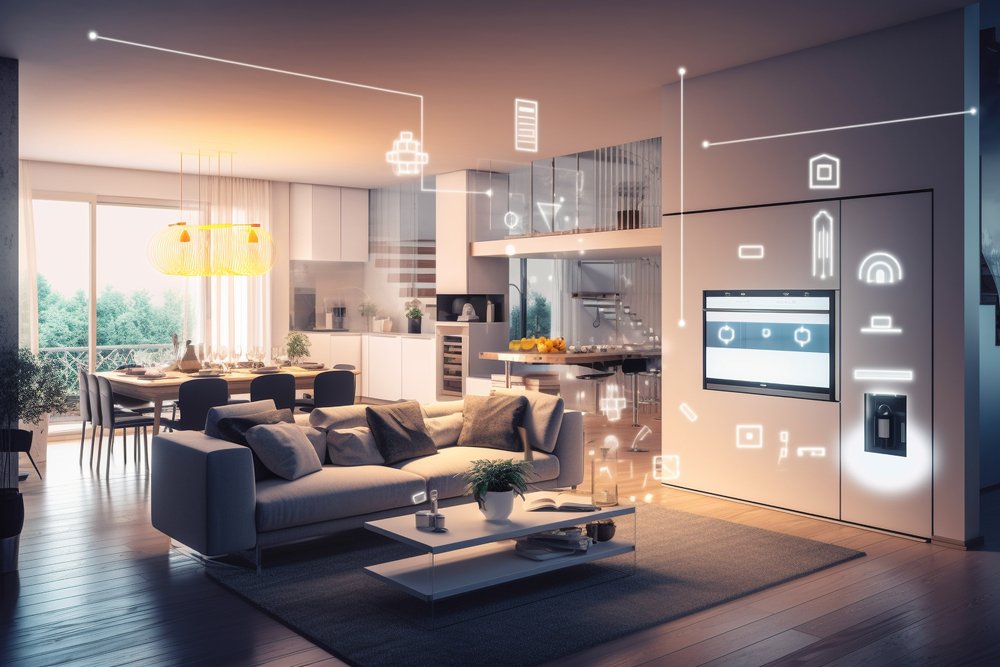
Energy Management and AI Integration Difficulties
One area where AI integration is particularly promising—but also challenging—is in energy management. Smart thermostats, lighting, and appliances can optimize energy use, but coordinating these devices requires sophisticated AI models and reliable data flows. Common obstacles include:
- Inconsistent data from sensors and meters
- Difficulty in predicting user behavior accurately
- Complexity in balancing comfort, cost savings, and sustainability
Integrating AI with home battery systems and renewable energy sources introduces additional layers of complexity. For more detailed strategies, the ai battery management systems for homes guide provides a closer look at how AI can be used to optimize energy storage and distribution.
Usability and User Experience Obstacles
Even the most advanced AI systems can fall short if they are not intuitive for everyday users. Usability issues often arise from:
- Complex setup processes requiring technical expertise
- Confusing user interfaces or inconsistent voice command recognition
- Lack of clear feedback when automations succeed or fail
Improving user experience is essential for widespread adoption. Manufacturers are investing in better onboarding, clearer documentation, and more responsive support, but there is still room for improvement. For a glimpse into how AI is shaping daily routines, see this overview of AI-enabled smart home solutions.
Best Practices for Overcoming Integration Hurdles
While the obstacles are significant, there are practical steps that homeowners and integrators can take to minimize ai home automation integration challenges:
- Choose devices that support open standards and are certified for interoperability.
- Regularly update firmware and software to patch vulnerabilities and improve compatibility.
- Segment smart home networks to isolate critical devices and reduce security risks.
- Document all integrations and customizations for easier troubleshooting and future upgrades.
- Start with small, manageable projects before scaling up to full-home automation.
By following these recommendations, it is possible to build a robust, future-proof smart home ecosystem that leverages the power of AI while minimizing frustration and risk.
FAQ
What are the most common technical problems when integrating AI into smart homes?
The most frequent issues include device incompatibility, fragmented communication protocols, and the need for custom bridges or middleware. These problems can make setup and ongoing maintenance more complex, especially in homes with a mix of old and new devices.
How can homeowners protect their privacy when using AI-powered automation?
To safeguard privacy, homeowners should use devices with strong encryption, keep software updated, and review privacy policies carefully. Disabling unnecessary data sharing and using local processing where possible can also reduce exposure to external risks.
Is it possible to upgrade legacy home systems to work with modern AI solutions?
In many cases, yes, but it may require additional hubs, adapters, or even replacing outdated hardware. Some manufacturers offer backward compatibility, but results vary. Consulting with integration specialists and researching device compatibility can help ensure a smoother upgrade process.