Artificial intelligence is rapidly transforming how we interact with our homes. From voice assistants to smart thermostats, the integration of AI-driven technology is reshaping daily routines and offering new levels of convenience, security, and energy efficiency. However, as this technology becomes more common, so do misconceptions. Many people still believe outdated or exaggerated ideas about what AI-powered home automation can and cannot do. Understanding the reality behind these beliefs is crucial for anyone considering smart home upgrades or simply wanting to stay informed about the latest trends.
This article explores some of the most common ai home automation myths, separating fact from fiction. By the end, you’ll have a clearer picture of how AI is actually being used in modern homes, what its real capabilities are, and how to make informed decisions about adopting smart technology.

For those interested in the intersection of artificial intelligence and sustainable living, you may want to explore AI green smart homes with AI technology for a deeper look at eco-friendly automation solutions.
Common Misconceptions About Smart Home AI
As AI becomes more embedded in household devices, several myths have emerged. Some stem from science fiction, while others are based on misunderstandings or outdated information. Let’s address some of the most persistent misconceptions and clarify what AI-powered home automation really offers.
Myth 1: AI Home Automation Is Only for Tech Experts
One of the most widespread ai home automation myths is that these systems are too complex for the average person. In reality, most modern smart home devices are designed with user-friendliness in mind. Setup processes are often guided by step-by-step apps, and many devices can be controlled with simple voice commands or intuitive mobile interfaces. Manufacturers prioritize accessibility, making it possible for anyone—regardless of technical background—to benefit from AI-enhanced living spaces.
Myth 2: Smart Homes Are Always Listening and Invading Privacy
Concerns about privacy are valid, but the idea that AI-powered devices are constantly recording every conversation is largely exaggerated. Most smart speakers and assistants only activate when triggered by a specific wake word. Additionally, reputable brands include privacy controls, such as microphone mute buttons and customizable data sharing settings. Users can review and delete voice recordings, and many companies are transparent about their data practices. For those seeking additional peace of mind, it’s important to research device privacy features before purchasing.
Myth 3: AI Automation Is Too Expensive for Most Households
Another common misconception is that smart home technology is prohibitively expensive. While some advanced systems can be costly, there are many affordable options available. Entry-level smart plugs, bulbs, and thermostats can be found at reasonable prices, and the cost of AI-driven devices continues to decrease as technology advances. Over time, automation can even help save money by optimizing energy use and reducing utility bills. For those interested in more advanced energy management, learning about ai battery management systems for homes can provide insights into long-term savings and efficiency.
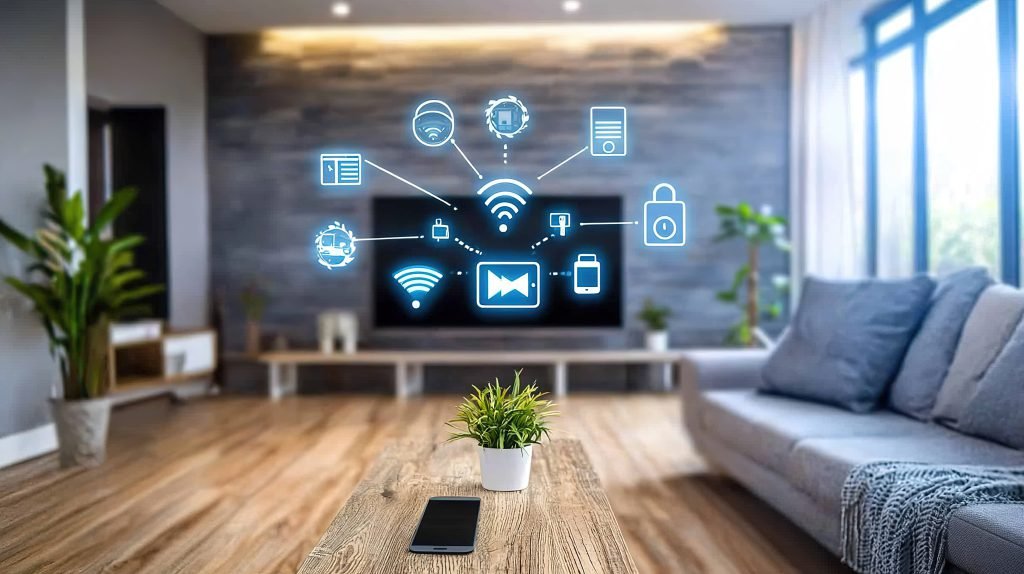
Separating Fact from Fiction in AI-Driven Homes
With so much information available, it can be difficult to distinguish between hype and reality. Here are some facts that help clarify the true capabilities and limitations of AI-powered home automation.
Fact 1: AI Enhances Everyday Convenience
AI-driven devices can automate routine tasks such as adjusting lighting, managing climate control, or scheduling appliances. These features are not just for show—they can genuinely streamline daily life and free up time for more important activities. For example, smart thermostats learn your preferences and adjust temperatures automatically, while AI-powered security cameras can distinguish between people, pets, and vehicles, reducing false alarms.
Fact 2: Security and Privacy Are Prioritized
Leading manufacturers are aware of privacy concerns and have implemented robust security measures. Encryption, two-factor authentication, and regular software updates help protect user data. Users are encouraged to keep their devices updated and use strong, unique passwords to further safeguard their smart home networks. For those interested in monitoring their home remotely, AI remote home monitoring systems offer advanced features with built-in privacy controls.
Fact 3: AI Home Automation Can Support Sustainability
Smart devices can help reduce energy consumption by learning household patterns and making real-time adjustments. For instance, AI-powered lighting systems can turn off lights in unoccupied rooms, and smart irrigation controllers can optimize water usage based on weather forecasts. These features not only lower utility costs but also contribute to a more sustainable lifestyle.
How AI Myths Affect Smart Home Adoption
Misconceptions about artificial intelligence in home automation can slow down adoption and prevent people from experiencing the benefits of smart technology. When potential users believe that these systems are too complicated, unsafe, or expensive, they may avoid exploring options that could improve their quality of life. Dispelling these myths is essential for encouraging wider acceptance and helping homeowners make informed choices.
For students and enthusiasts interested in hands-on experience, there are many ai smart home project ideas that demonstrate how accessible and customizable AI-powered automation can be.
Expert Insights and Industry Trends
Industry experts agree that the future of smart homes lies in the seamless integration of AI and IoT (Internet of Things) devices. As technology evolves, we can expect even greater interoperability, improved security, and more personalized automation features. For a deeper dive into how AI and IoT are shaping the next generation of smart homes, check out this comprehensive overview of AI and IoT in smart homes.
Another area of rapid development is occupancy detection. AI-powered sensors can now accurately determine when rooms are in use, allowing for even more efficient automation. Learn more about these advancements in ai occupancy detection in homes and how they contribute to smarter, more responsive living environments.
Frequently Asked Questions
Are AI-powered home automation systems difficult to install?
No, most modern smart home devices are designed for easy installation. Many products offer guided setup through mobile apps, and some can be installed without any technical expertise. For more complex systems, professional installation is available.
Is my data safe when using AI-driven smart home devices?
Reputable manufacturers implement strong security measures such as encryption and two-factor authentication. Users should also take steps like updating firmware regularly and using secure passwords to further protect their data.
Can smart home automation really help save money?
Yes, AI-powered devices can help reduce energy and water usage by optimizing settings based on your habits and environmental conditions. Over time, these savings can offset the initial investment in smart technology.
Conclusion
Understanding the truth behind ai home automation myths is key to making the most of what smart technology has to offer. By separating fact from fiction, homeowners can confidently explore the benefits of AI-driven automation, from convenience and security to sustainability and cost savings. As the technology continues to evolve, staying informed will ensure you get the most value and peace of mind from your smart home investments.