The rise of artificial intelligence in smart homes has brought about a new era of convenience, efficiency, and security. As more devices become interconnected, the need for reliable ai home automation standards and protocols has never been greater. These frameworks ensure that products from different manufacturers can communicate seamlessly, making it easier for homeowners to build integrated, future-proof systems.
Understanding the landscape of these standards is essential for anyone looking to invest in or develop smart home solutions. This article explores the most important protocols, how AI enhances automation, and what to consider for compatibility and security. For those interested in the technical side, our guide on ai home automation programming basics offers a deeper dive into the foundational concepts behind these technologies.
Why Interoperability Matters in Smart Homes
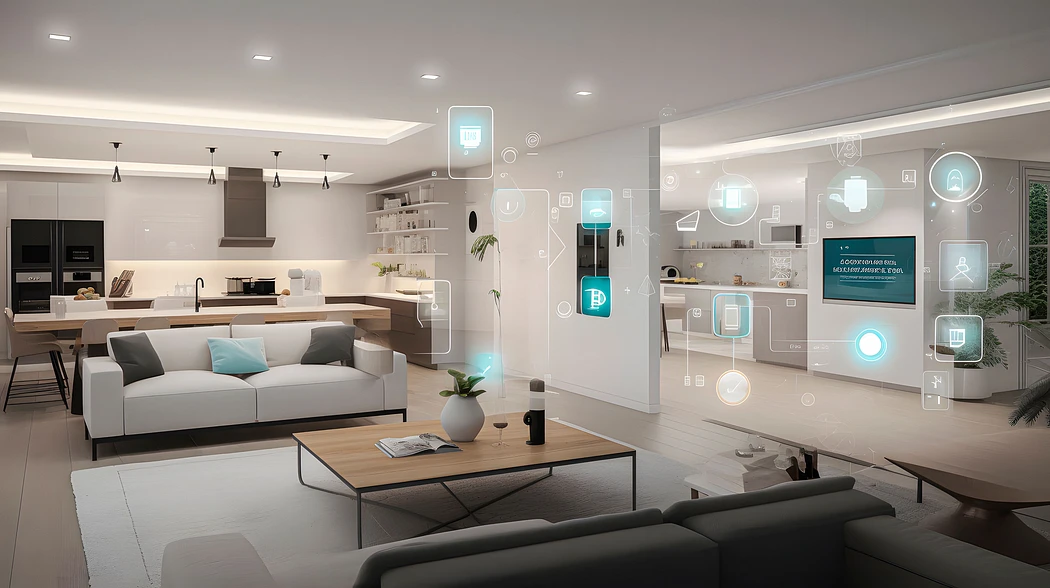
As smart devices multiply in modern households, interoperability becomes a key concern. Without shared protocols, devices may not be able to exchange information or work together efficiently. AI-driven home automation relies on this seamless interaction to deliver personalized experiences, such as adjusting lighting based on occupancy or optimizing energy use according to daily routines.
When selecting products, it’s important to check which standards they support. This ensures that your system remains flexible and can accommodate new devices as technology evolves. For those managing energy storage or battery systems, our article on ai home automation for energy storage provides insights into integrating these components with broader home automation networks.
Core Standards and Protocols for AI-Enabled Homes
Several major protocols form the backbone of modern smart homes. Each has its own strengths and is suited to different applications. Here’s a breakdown of the most widely adopted options:
- Zigbee: A low-power, wireless mesh protocol ideal for connecting lights, sensors, and switches. Zigbee’s open standard makes it popular among manufacturers, supporting robust AI integrations.
- Z-Wave: Similar to Zigbee, Z-Wave is widely used for security systems, locks, and thermostats. Its interoperability and low interference make it a strong choice for AI-powered automation scenarios.
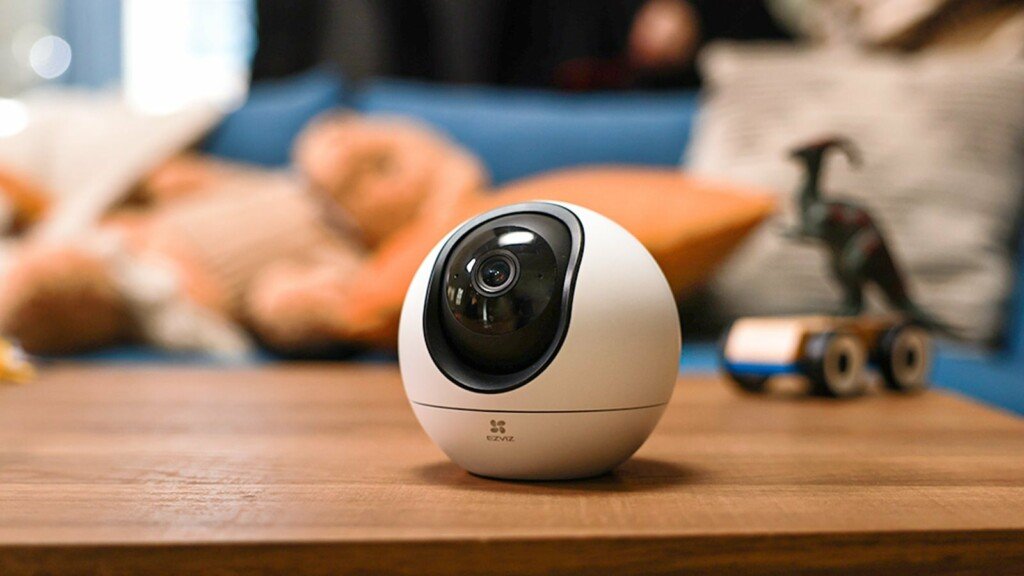
- Wi-Fi: Many AI-enabled devices use Wi-Fi for high-bandwidth applications like cameras and smart speakers. While easy to set up, Wi-Fi can be less power-efficient for battery-operated sensors.
- Bluetooth Low Energy (BLE): BLE is used for short-range communication, such as wearable devices or proximity-based automation. AI can leverage BLE for context-aware actions, like unlocking doors when a trusted user approaches.
- Thread: An emerging mesh networking protocol, Thread is designed for reliability and security. It’s a foundation for Matter, the new universal standard for smart home interoperability.
- Matter: Developed by the Connectivity Standards Alliance, Matter aims to unify the smart home ecosystem. It supports AI-driven automation across brands and platforms, simplifying device setup and management.
For those interested in the regulatory landscape, our ai smart home regulatory compliance guide covers relevant standards and best practices for secure, compliant installations.

How AI Enhances Home Automation Protocols
Artificial intelligence brings a new layer of intelligence to automation by analyzing data from sensors, cameras, and user behavior. With the right ai home automation standards and protocols, AI can:
- Predict occupancy patterns and adjust heating or cooling accordingly
- Automate lighting based on time of day, presence, or weather
- Enhance security by recognizing unusual activity or potential threats
- Integrate voice assistants for natural language control of devices
- Optimize energy consumption for cost savings and sustainability
For a deeper look at how predictive analytics are shaping smart homes, see our resource on ai predictive analytics in smart homes.
Security and Privacy Considerations
With increased connectivity comes greater responsibility for protecting user data and privacy. Robust protocols incorporate encryption, authentication, and regular updates to guard against cyber threats. AI can further enhance security by monitoring for anomalies and responding to incidents in real time.
When choosing devices, look for those that support secure standards and offer transparent privacy policies. It’s also wise to keep firmware up to date and segment smart home networks from personal computers whenever possible.

Emerging Trends: Matter and the Future of Smart Home Connectivity
The introduction of Matter marks a significant step forward for the smart home industry. By providing a universal framework, Matter enables devices from different brands to work together effortlessly. This open-source standard is designed with security, reliability, and scalability in mind, making it well-suited for AI-driven automation.
As more manufacturers adopt Matter, consumers can expect easier setup, broader compatibility, and more advanced features powered by artificial intelligence. This shift is likely to accelerate innovation and drive adoption of smart home technology worldwide.
Integrating AI with Energy Management Systems
One of the most promising applications of AI in home automation is energy management. By analyzing usage patterns and external factors like weather, AI can optimize when and how devices operate. This not only reduces costs but also supports sustainability goals.
For homeowners interested in advanced battery solutions, our article on ai battery management systems for homes explores how intelligent protocols can coordinate charging, discharging, and grid interactions for maximum efficiency.
Best Practices for Building a Future-Proof Smart Home
To get the most out of your investment in smart home technology, consider the following best practices:
- Choose devices that support open, widely adopted protocols like Zigbee, Z-Wave, Thread, or Matter
- Look for products with robust security features and regular firmware updates
- Plan for scalability by selecting systems that can grow with your needs
- Integrate AI capabilities gradually, starting with automation routines that offer clear benefits
- Stay informed about new standards and industry developments
For more on how AI is transforming the smart home experience, see this in-depth article on AI’s impact on comfort, security, and energy efficiency.
FAQ
What is the main benefit of using standardized protocols in smart homes?
Standardized protocols ensure that devices from different manufacturers can communicate and work together. This interoperability simplifies installation, enhances reliability, and allows homeowners to mix and match products without compatibility issues.
How does AI improve automation in connected homes?
AI analyzes data from various sensors and devices to automate tasks, predict user needs, and optimize energy consumption. It can also enhance security by detecting unusual patterns and responding to potential threats more effectively than traditional systems.
Is Matter compatible with existing smart home devices?
Matter is designed to bridge the gap between different ecosystems, but not all existing devices will be compatible. Many manufacturers are releasing firmware updates or new products that support Matter, making it easier to integrate future devices into your setup.
How can I ensure my smart home is secure?
Choose devices that use secure protocols, keep firmware updated, and segment your home network. Regularly review privacy settings and monitor for unusual activity to maintain a safe environment.