Smart lighting powered by artificial intelligence is transforming the way we interact with our homes. With the right setup, you can enjoy personalized ambiance, improved energy efficiency, and seamless control—all without lifting a finger. Whether you’re just starting out or looking to optimize your existing system, this guide offers practical ai home lighting automation tips and creative ideas to help you get the most from your connected lights.
AI-driven lighting isn’t just about convenience. It can also contribute to a more sustainable home, enhance security, and even support your daily routines. If you’re interested in broader smart home innovations, you might also want to explore ai battery management systems for homes to further boost your home’s efficiency.
Getting Started with AI-Powered Lighting
Before diving into advanced automations, it’s important to lay a solid foundation. Start by choosing smart bulbs or switches that are compatible with your preferred ecosystem—such as Google Home, Amazon Alexa, or Apple HomeKit. Many modern lighting systems now include built-in AI features or can be integrated with third-party AI assistants for enhanced automation.
- Choose the right hardware: Look for bulbs, switches, or hubs that support AI-driven routines and learning.
- Centralize control: Use a single app or platform to manage your lighting, making it easier to set up and adjust automations.
- Integrate with sensors: Motion, occupancy, and ambient light sensors provide valuable data for AI to optimize your lighting scenes.
For those interested in building their own smart home projects, ai smart home project ideas can offer inspiration for integrating lighting with other automated systems.
Personalized Lighting Scenes Using AI
One of the standout benefits of intelligent lighting is the ability to create personalized scenes that adapt to your lifestyle. AI algorithms can learn your preferences over time, adjusting brightness, color temperature, and even color based on your habits and the time of day.
- Morning routines: Set lights to gradually brighten and shift to cooler tones to help you wake up naturally.
- Evening relaxation: Program your system to dim and warm the lights as bedtime approaches, supporting better sleep.
- Adaptive schedules: Allow AI to adjust lighting based on your calendar, weather, or even your commute home.
With advanced platforms, you can even use voice commands or geofencing to trigger scenes automatically as you arrive or leave. For more on how AI can detect occupancy and adjust lighting accordingly, check out ai occupancy detection in homes.
Energy Efficiency and Sustainability
AI-enabled lighting systems can significantly reduce energy consumption by automatically turning off lights in unoccupied rooms, dimming during daylight hours, and optimizing schedules based on your patterns. These features not only lower your electricity bills but also contribute to a greener home.
- Occupancy-based automation: Lights switch off when rooms are empty, thanks to AI-powered sensors.
- Daylight harvesting: AI can dim or turn off lights when there’s enough natural sunlight, maximizing efficiency.
- Usage analytics: Many platforms provide insights into your energy use, helping you identify further savings.
For those committed to eco-friendly living, integrating lighting with ai green smart homes with ai technologies can further enhance sustainability efforts.
Enhancing Security with Smart Lighting
Lighting automation can play a crucial role in home security. AI-driven systems can simulate occupancy when you’re away, deter intruders, and respond to unusual activity detected by cameras or sensors.
- Randomized schedules: AI can vary lighting patterns to make your home appear occupied, even when you’re on vacation.
- Integration with security devices: Connect lights to doorbells, cameras, or alarms for instant illumination when motion is detected.
- Remote access: Control and monitor your lighting from anywhere using your smartphone or voice assistant.
For a deeper dive into how AI supports remote monitoring and security, see ai remote home monitoring.
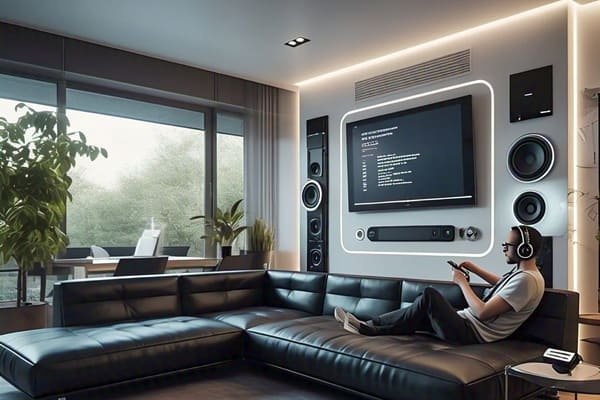
Creative Ideas for AI-Driven Lighting Automation
Beyond the basics, there are countless ways to use artificial intelligence to make your lighting more dynamic and enjoyable. Here are some innovative ideas to inspire your setup:
- Entertainment syncing: Sync lights with your TV or music for immersive movie nights or parties.
- Voice-activated scenes: Use natural language commands to trigger complex lighting routines.
- Mood-based adjustments: Let AI analyze your calendar or wearable data to set lighting that matches your mood or activity.
- Safety pathways: Automatically light hallways or stairs when movement is detected at night.
For more on the future of smart homes and how AI is shaping daily life, explore this in-depth look at artificial intelligence in home environments.
Common Challenges and Troubleshooting
While AI-powered lighting offers many benefits, it’s not without its challenges. Here are some common issues and how to address them:
- Connectivity problems: Ensure your Wi-Fi network is strong and reliable, especially in larger homes.
- Compatibility: Double-check that all devices and platforms work together before purchasing new equipment.
- Privacy concerns: Review privacy settings and data sharing policies for your smart home apps and devices.
- False triggers: Adjust sensor sensitivity or AI routines to minimize unwanted activations.
Regularly updating firmware and app software can also help prevent glitches and keep your system running smoothly.
FAQ: AI Lighting Automation in Smart Homes
How does AI improve home lighting automation?
AI enables your lighting system to learn your routines, preferences, and environmental factors, automatically adjusting settings for comfort, efficiency, and security. Over time, it can optimize schedules, respond to occupancy, and even anticipate your needs based on patterns.
Can AI lighting systems help save energy?
Yes, by using sensors and learning your habits, AI lighting can turn off lights in empty rooms, dim during daylight, and suggest energy-saving routines. This not only reduces electricity bills but also supports a more sustainable lifestyle.
What are some creative uses for AI-powered lighting?
AI-driven lighting can sync with entertainment systems, create mood-based scenes, provide safety lighting at night, and simulate occupancy for security. The possibilities are expanding as AI technology becomes more advanced and integrated with other smart devices.
Is it difficult to set up AI lighting automation?
Most modern systems are designed for easy installation and setup. Many platforms offer guided routines and user-friendly apps. However, integrating multiple brands or advanced features may require some technical know-how or research.
AI-powered lighting is a practical way to make your home more comfortable, efficient, and secure. By following these ai home lighting automation tips and exploring creative possibilities, you can enjoy a truly intelligent living environment that adapts to your needs and lifestyle.