
Homeowners are increasingly turning to AI in home energy efficiency to reduce costs, minimize environmental impact, and enjoy greater comfort. Artificial intelligence is transforming how we manage energy in our living spaces, from smart thermostats that learn your habits to advanced systems that optimize appliance use. This guide explores the technologies, benefits, and practical steps for integrating AI-driven solutions into modern homes.
As energy prices fluctuate and sustainability becomes a priority, leveraging intelligent automation is no longer just a futuristic idea—it’s a practical approach available today. Whether you’re curious about smart home upgrades or planning a full-scale renovation, understanding how AI can streamline energy use is essential.
For those interested in related innovations, see our detailed overview of ai battery management systems for homes to learn how intelligent storage solutions can further enhance your home’s efficiency.
How Artificial Intelligence Optimizes Home Energy Use
Artificial intelligence brings a new level of automation and adaptability to residential energy management. By analyzing real-time data from sensors, appliances, and weather forecasts, AI-powered systems can make smart decisions that maximize efficiency and comfort. Here’s how these technologies work:
- Smart Thermostats: Devices like learning thermostats use machine learning to adjust heating and cooling based on your daily routines and preferences, reducing unnecessary energy consumption.
- Predictive Analytics: AI algorithms forecast energy demand and adjust usage accordingly, helping to avoid peak pricing and reduce overall consumption.
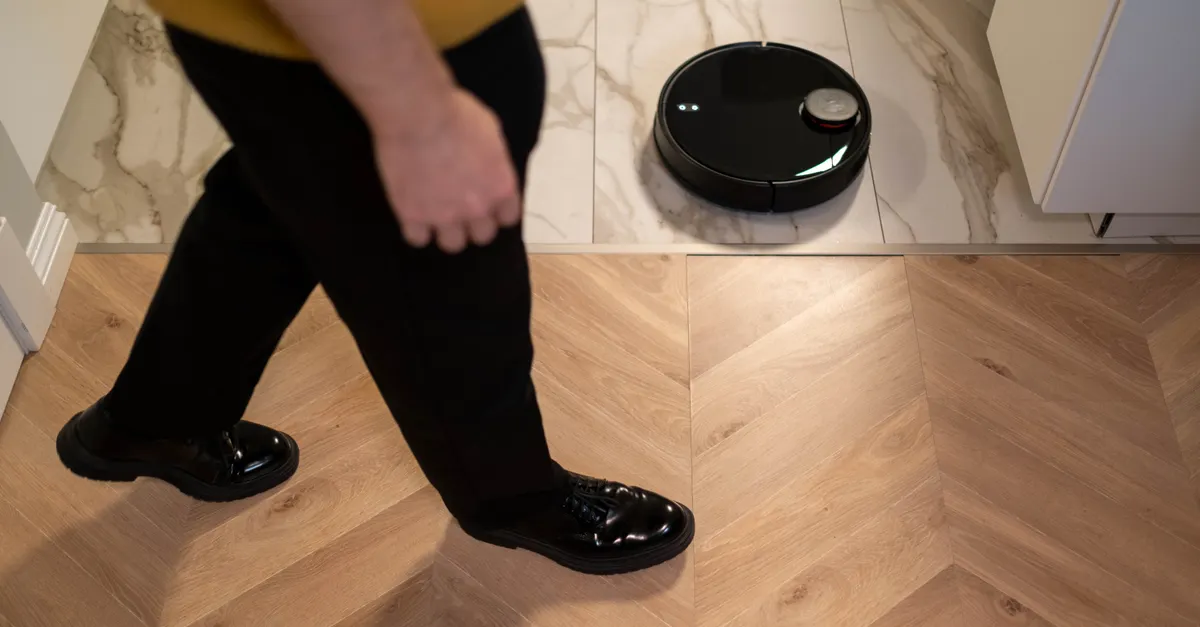
- Automated Appliance Control: Intelligent systems can turn off lights, manage water heaters, and schedule laundry cycles for optimal efficiency.
- Integration with Renewable Energy: AI can coordinate the use of solar panels, batteries, and grid power to ensure the most sustainable and cost-effective mix.
These capabilities are not just theoretical. Many homeowners are already benefiting from AI-driven platforms that monitor and control energy use, leading to measurable savings and a reduced carbon footprint.
Key Benefits of AI-Driven Energy Management
Adopting AI-based solutions for home energy brings several advantages beyond simple automation. Here are the most significant benefits:
- Lower Utility Bills: By continuously optimizing energy use, AI systems help households save money every month.
- Increased Comfort: Personalized settings ensure your home stays at the ideal temperature and lighting level without manual adjustments.
- Reduced Environmental Impact: Efficient energy management means less waste and a smaller carbon footprint.
- Proactive Maintenance: Some platforms can detect unusual patterns that signal appliance issues, prompting timely maintenance and preventing costly breakdowns.
For those looking to take their smart home to the next level, exploring ai smart home project ideas for students can provide inspiration for custom solutions that further enhance efficiency and convenience.
Popular AI Technologies for Smarter Homes
Several technologies are driving the adoption of ai in home energy efficiency:
- Voice Assistants: Platforms like Alexa and Google Assistant can control smart thermostats, lighting, and appliances, making it easy to manage energy with simple commands.
- Energy Monitoring Sensors: These devices track real-time consumption, providing data that AI systems use to optimize usage patterns.
- Smart Plugs and Switches: AI-enabled outlets can automatically turn devices on or off based on occupancy or schedules.
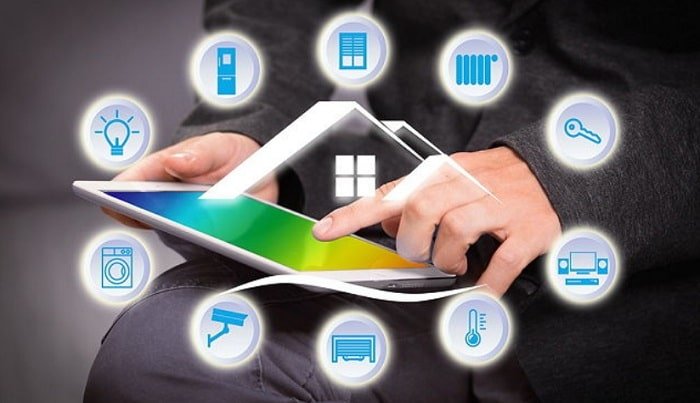
- Integrated Home Hubs: Centralized systems coordinate all connected devices for seamless automation and energy savings.
To understand how these components work together, consider reviewing ai remote home monitoring explained for insights into security and efficiency improvements through intelligent monitoring.
How to Implement AI for Energy Savings
Getting started with AI-powered energy management doesn’t have to be overwhelming. Here are practical steps for homeowners:
- Assess Your Needs: Identify which areas of your home consume the most energy—heating, cooling, lighting, or appliances.
- Choose Compatible Devices: Select smart thermostats, sensors, and plugs that support AI features and can integrate with your existing systems.
- Install and Configure: Follow manufacturer instructions to set up devices and connect them to your home Wi-Fi network.
- Enable Automation: Use the device app or hub to create schedules, routines, and rules that allow AI to manage energy automatically.
- Monitor Results: Regularly review energy reports to track savings and adjust settings for even greater efficiency.
For a deeper dive into sustainable living, see our article on ai green smart homes with ai for tips on integrating renewable energy and smart automation.
Challenges and Considerations for AI-Enabled Homes
While the advantages are clear, there are a few challenges to keep in mind when adopting AI-based energy solutions:
- Privacy and Security: Connected devices collect and transmit data, so it’s important to use secure networks and update software regularly.
- Device Compatibility: Not all smart home products work seamlessly together. Choose devices that support common standards or are part of the same ecosystem.
- Initial Investment: Upfront costs for smart devices can be significant, but long-term savings often offset these expenses.
- Learning Curve: Some systems require time to learn your habits and optimize settings, so patience is key for best results.
For those interested in occupancy-based automation, our resource on ai occupancy detection in homes explains how presence sensing can further enhance efficiency and comfort.
Future Trends in Smart Energy Management
The future of ai in home energy efficiency is promising, with ongoing advancements making these solutions even more accessible and effective. Some trends to watch include:
- Deeper Integration with Renewable Energy: AI will play a larger role in managing solar, wind, and battery storage for homes.
- Grid Interaction: Intelligent systems will help homeowners participate in demand response programs, selling excess energy back to the grid.
- Enhanced Personalization: Machine learning will enable even more tailored energy management, adapting to changing lifestyles and preferences.
- Smarter Appliances: Manufacturers are building AI directly into appliances, allowing for real-time optimization and diagnostics.
For a broader perspective on how automation is shaping modern living, see this comprehensive article on smart home automation trends.
FAQ: Common Questions About AI and Home Energy
How much can AI-powered systems reduce my home energy bills?
The savings vary depending on your home’s size, climate, and current energy usage. Many homeowners report reductions of 10–30% after installing smart thermostats and automated controls. The more devices and systems you integrate, the greater the potential savings.
Are AI-based energy solutions difficult to install?
Most modern smart devices are designed for easy installation, often requiring only a Wi-Fi connection and a mobile app. Some advanced systems may need professional setup, especially if they involve electrical work or integration with existing HVAC systems.
Can AI help manage renewable energy sources in my home?
Yes, AI excels at coordinating solar panels, batteries, and grid power to maximize efficiency and minimize costs. Intelligent platforms can automatically switch between sources based on real-time data, weather forecasts, and energy prices.
Is my data safe with AI-powered home energy systems?
Reputable manufacturers use encryption and security protocols to protect user data. Always keep device firmware updated and use strong passwords to enhance security. Check privacy policies before purchasing new devices.
Conclusion
Integrating ai in home energy efficiency offers homeowners a practical path to lower costs, greater comfort, and a smaller environmental footprint. With a range of smart devices and platforms available, making your home more efficient is easier than ever. By staying informed and choosing the right solutions, you can enjoy the benefits of intelligent automation for years to come.