As the global population ages, more older adults are choosing to remain in their own homes for as long as possible. While this approach supports independence and comfort, it can also introduce challenges—especially when it comes to emotional well-being and mental health. Social isolation, cognitive decline, and limited access to traditional resources make it essential to find new ways to support seniors’ mental health at home.
Advances in AI mental health support for seniors are transforming how older adults receive care and connection. Artificial intelligence can now offer companionship, monitor well-being, and provide timely interventions, all within the comfort of one’s home. This article explores how these technologies work, their benefits, and what families and caregivers should know about integrating AI-driven solutions into daily life.
For those interested in broader smart home innovations, you may also want to explore AI remote home monitoring and how it complements mental health solutions for older adults.
How Artificial Intelligence Supports Senior Mental Health
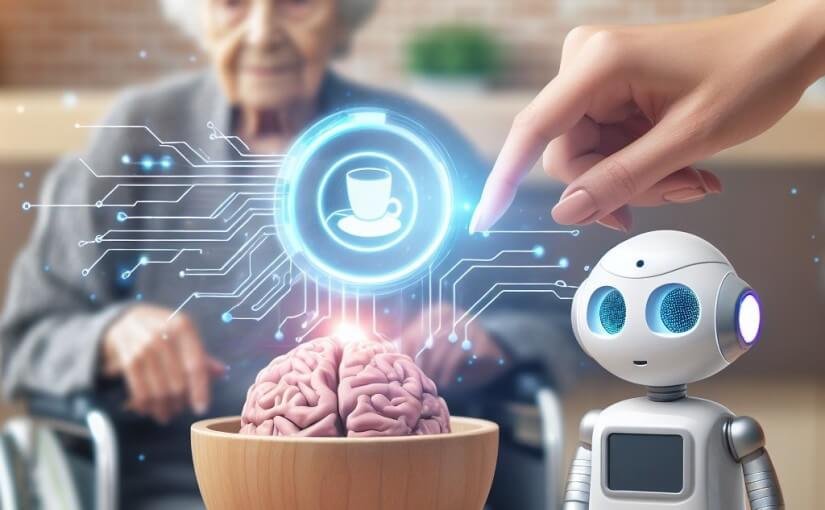
Artificial intelligence is increasingly being used to address the unique mental health needs of older adults. These technologies can take many forms, from virtual companions and chatbots to advanced monitoring systems that detect changes in mood or behavior. By leveraging natural language processing, machine learning, and sensor data, AI-driven tools can provide personalized support and early intervention.
- Virtual Companions: AI-powered voice assistants and chatbots offer conversation, reminders, and cognitive stimulation, helping to reduce feelings of loneliness.
- Monitoring and Alerts: Smart devices can track daily routines, detect deviations that may indicate distress, and alert caregivers or family members if needed.
- Emotional Analysis: Some systems analyze speech patterns or facial expressions to assess mood, enabling proactive support for anxiety or depression.
These solutions are designed to supplement—not replace—human interaction, offering an extra layer of support for seniors living independently.
Benefits of AI-Driven Mental Health Tools for Older Adults
The adoption of AI mental health support for seniors brings several advantages for individuals and their families:
- 24/7 Availability: AI-based tools can provide support at any hour, making them especially valuable for those who may need reassurance or reminders outside of regular care hours.
- Personalization: Machine learning enables these systems to adapt to each person’s preferences, routines, and communication style.
- Early Detection: By monitoring subtle changes in behavior or mood, AI can help identify potential mental health concerns before they escalate.
- Reduced Caregiver Burden: Automated check-ins and alerts can give family members peace of mind, knowing that their loved one is being monitored for signs of distress.

Popular Types of AI Solutions for Senior Well-Being
There are several categories of AI-powered tools designed to enhance the mental and emotional health of older adults at home:
- Conversational Agents: Devices like smart speakers and specialized chatbots can engage in natural conversation, play games, and provide reminders for medication or appointments.
- Wearable Technology: Smartwatches and fitness trackers monitor activity, sleep, and sometimes even mood, helping to identify patterns that may signal mental health issues.
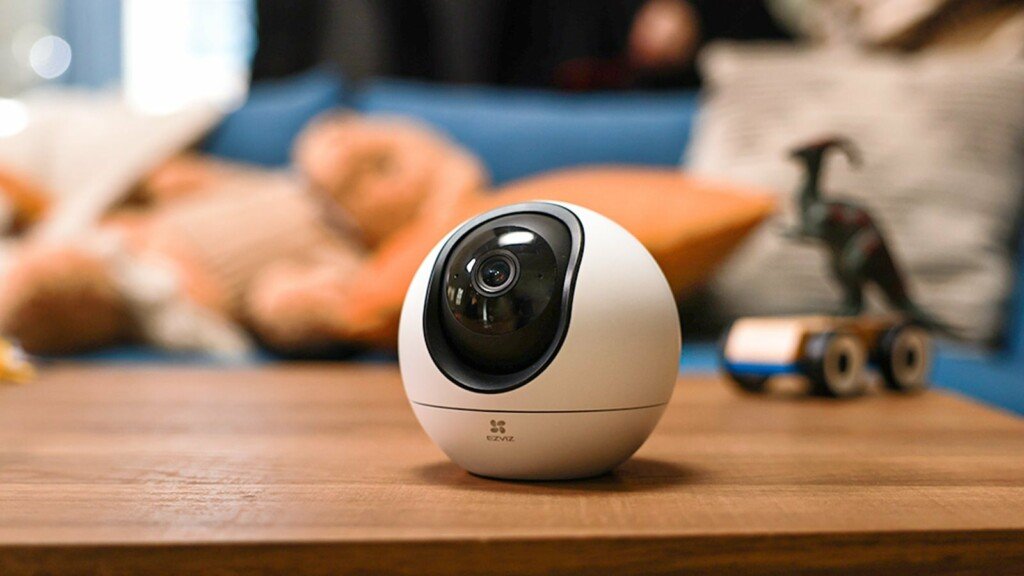
- Remote Monitoring Systems: Cameras and sensors track movement, social interaction, and daily routines, alerting caregivers to changes that could indicate emotional distress.
- Therapeutic Apps: AI-driven applications offer guided meditation, cognitive exercises, and mood tracking to promote mental wellness.
For those interested in integrating smart home technologies, consider learning more about AI battery management systems for homes and how they can work alongside mental health support devices.
Challenges and Considerations When Using AI for Senior Mental Health
While the benefits are significant, there are important factors to consider when adopting AI-based mental health tools for older adults:
- Privacy and Security: Sensitive health and behavioral data must be protected. Always choose solutions with robust privacy policies and secure data handling.
- Accessibility: Devices and apps should be easy to use, with clear instructions and support for those with limited technical skills or disabilities.
- Human Connection: AI should supplement—not replace—real human interaction. Regular contact with friends, family, and caregivers remains crucial for emotional well-being.
- Cost and Maintenance: Some solutions may require ongoing subscriptions or updates. Consider the long-term affordability and support available for each product.

Integrating AI Support with Other Smart Home Technologies
Many families are now combining AI-powered mental health tools with other smart home solutions for a holistic approach to senior care. For example, occupancy detection systems can help ensure safety, while energy management tools keep the environment comfortable and cost-effective. To see how these technologies work together, read about AI occupancy detection in homes and its role in supporting independent living.
By creating a connected environment, families can address both the emotional and physical needs of older adults, making it easier for them to thrive at home.
Research and Future Directions in AI for Senior Well-Being
Ongoing research continues to improve the effectiveness and accessibility of AI-driven mental health support. Recent studies, such as those published in peer-reviewed journals on digital aging and mental health, highlight the promise of these technologies in reducing loneliness, supporting cognitive health, and improving overall quality of life for seniors.
As artificial intelligence becomes more sophisticated, we can expect even more personalized and proactive solutions tailored to the unique needs of older adults. Collaboration between technology developers, healthcare providers, and families will be essential to ensure these tools are safe, effective, and truly supportive.
Frequently Asked Questions
What types of AI tools are available to support seniors’ mental health at home?
There are several options, including conversational agents (like smart speakers and chatbots), wearable devices that monitor activity and mood, remote monitoring systems with sensors and cameras, and therapeutic apps for cognitive exercises and relaxation. Each tool offers different features, so it’s important to choose one that matches the individual’s needs and preferences.
Are AI-based mental health solutions safe and private for older adults?
Most reputable AI solutions prioritize privacy and data security, but it’s essential to review each product’s privacy policy and ensure data is encrypted and handled responsibly. Look for devices and apps that comply with relevant health data regulations and offer clear options for managing personal information.
Can AI replace human caregivers or social interaction for seniors?
No, AI should be seen as a supplement to human care, not a replacement. While these technologies can provide valuable support and monitoring, regular contact with family, friends, and professional caregivers remains crucial for emotional and mental well-being.
How can families get started with AI-powered mental health support for seniors?
Begin by assessing the specific needs and preferences of your loved one. Research available devices and applications, considering factors like ease of use, compatibility with other smart home systems, and customer support. It’s also helpful to consult with healthcare providers or geriatric specialists for recommendations.