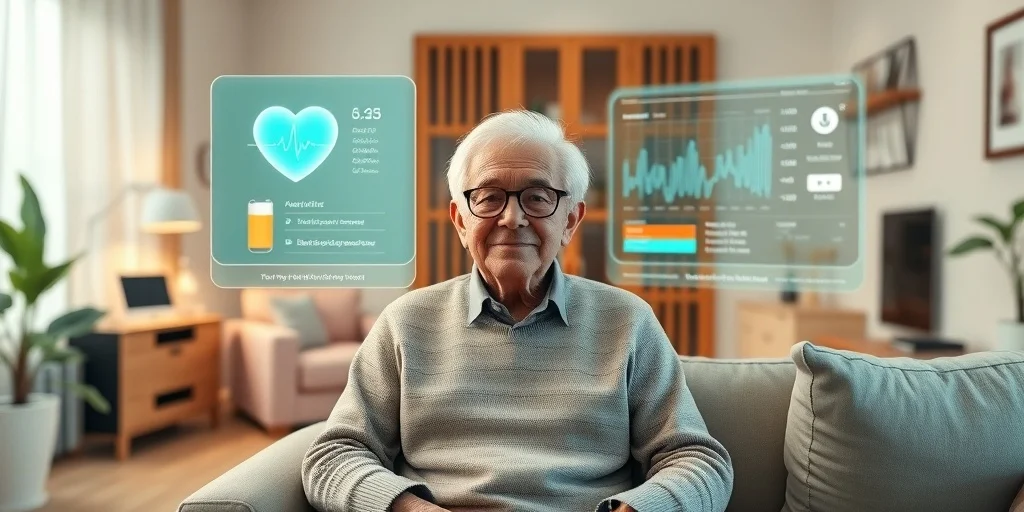
As the global population ages, the need for innovative solutions to support independent living and safety for older adults grows rapidly. AI powered home care systems are at the forefront of this transformation, offering seniors and their families peace of mind through smart technology. These advanced platforms integrate artificial intelligence, sensors, and connected devices to monitor health, enhance security, and simplify daily routines—all within the comfort of home.
In this article, you’ll discover how these intelligent care platforms work, what features they offer, and how they are shaping the future of elder care. If you’re interested in related topics, you may also want to explore AI remote home monitoring for a deeper dive into smart surveillance and safety for households.
Understanding Intelligent Home Care Platforms
Smart care solutions for seniors combine artificial intelligence with home automation to create a safer, more responsive living environment. By leveraging machine learning, voice assistants, and real-time data from sensors, these systems can detect unusual patterns, remind users about medication, and even alert caregivers in emergencies.
The core of these platforms is their ability to learn from daily routines. Over time, they adapt to the unique habits of each resident, providing personalized support and reducing the risk of accidents or health issues going unnoticed.
Key Features of AI Enhanced Home Care Solutions
Modern AI powered home care systems offer a wide range of features designed to promote independence and well-being for older adults. Some of the most valuable capabilities include:
- Fall detection and prevention: Advanced motion sensors and AI algorithms can recognize falls or unusual inactivity, sending instant alerts to caregivers or family members.
- Health monitoring: Devices track vital signs such as heart rate, blood pressure, and sleep patterns, providing continuous health insights and early warnings for potential problems.
- Medication reminders: Automated prompts help seniors take their medications on schedule, reducing the risk of missed doses or errors.
- Voice-activated assistance: Integration with smart speakers allows users to control lights, thermostats, and appliances using simple voice commands.
- Remote access for caregivers: Family members and healthcare professionals can check in, monitor activity, and receive alerts through secure apps or web dashboards.

Benefits of Smart Technology for Senior Living
The adoption of intelligent care systems brings numerous advantages to both seniors and their loved ones. Some of the most significant benefits include:
- Increased safety: Automated alerts and continuous monitoring reduce the risk of accidents and ensure rapid response in emergencies.
- Greater independence: Seniors can remain in their own homes longer, managing daily tasks with less reliance on outside help.
- Peace of mind for families: Remote access and real-time updates keep families informed and reassured about their loved one’s well-being.
- Personalized support: AI-driven systems adapt to individual needs, offering tailored reminders, routines, and assistance.
- Cost savings: By reducing the need for full-time caregivers or assisted living facilities, these solutions can lower overall care expenses.
How AI Integrates with Home Devices and Sensors
The backbone of AI powered home care systems is a network of interconnected devices and sensors placed throughout the living space. These may include smart cameras, wearable health trackers, door and window sensors, and environmental monitors for temperature, humidity, or air quality.
Artificial intelligence processes the data collected from these sources, identifying patterns and detecting anomalies. For example, if a motion sensor notices a lack of movement during usual activity hours, the system can send an alert or trigger a wellness check. Similarly, wearable devices can transmit health data directly to caregivers or healthcare providers for early intervention.
For those interested in the technical side of smart homes, our article on ai battery management systems for homes explores how AI optimizes energy use and supports sustainable living.
Privacy, Security, and Ethical Considerations
While the benefits of smart care solutions are clear, privacy and data security are crucial concerns. These systems collect sensitive health and behavioral information, making robust encryption and strict access controls essential. Users should ensure that any platform they choose complies with relevant data protection regulations and offers transparent privacy policies.
Ethical considerations also arise regarding autonomy and consent. Seniors and their families should be involved in decisions about what data is collected, who can access it, and how it is used. Open communication and clear consent are key to building trust in these technologies.
For a comprehensive review of the ethical and technical aspects of AI in elder care, see this peer-reviewed article on AI applications for aging populations.
Choosing the Right Smart Care Solution
Selecting the best platform depends on individual needs, home layout, and the level of support required. Here are a few tips for making an informed choice:
- Assess the specific needs of the senior—mobility, health conditions, memory support, and daily routines.
- Look for systems that offer easy installation and user-friendly interfaces, especially for those with limited tech experience.
- Check compatibility with existing devices, such as smartphones, tablets, or smart speakers.
- Evaluate the quality of customer support and the availability of updates or new features.
- Consider platforms that allow for remote monitoring and integration with healthcare providers.
For inspiration on how to expand your smart home setup, you may find our guide to ai smart home project ideas helpful.
Future Trends in AI and Senior Care
The landscape of AI powered home care systems continues to evolve rapidly. Future advancements may include even more sophisticated predictive analytics, integration with telemedicine, and the use of robotics for physical assistance. As these technologies mature, they promise to further enhance quality of life and independence for older adults.
Sustainability is also becoming a focus, with smart care solutions increasingly designed to minimize energy use and environmental impact. For those interested in eco-friendly living, our article on ai green smart homes with ai explores how artificial intelligence is making homes smarter and greener.
Frequently Asked Questions
What types of devices are commonly used in smart care systems for seniors?
Typical devices include motion sensors, wearable health trackers, smart cameras, voice assistants, and automated medication dispensers. These work together to monitor safety, health, and daily routines.
Are these systems difficult for seniors to use?
Most modern platforms are designed for simplicity, with intuitive interfaces and voice controls. Many also offer support and training resources to help users and their families get started.
How do these solutions protect privacy and data security?
Reputable providers use encryption, secure cloud storage, and strict access controls to safeguard personal data. It’s important to review privacy policies and ensure the system meets regulatory standards before installation.