The integration of ai predictive maintenance in homes is changing how we manage and care for our living spaces. With the rise of smart devices and connected systems, homeowners now have access to advanced tools that help prevent costly breakdowns, extend the lifespan of appliances, and create safer, more efficient environments. This article explores how artificial intelligence is transforming home maintenance, what technologies are involved, and how you can benefit from these innovations.
As smart homes become more common, understanding the role of AI in proactive care is essential. From monitoring HVAC systems to predicting when a washing machine might fail, these solutions are designed to keep everything running smoothly. If you’re interested in related innovations, you might also want to explore ai battery management systems for homes for insights on energy optimization.
Understanding Predictive Maintenance for Connected Homes
Predictive maintenance is a proactive approach that uses data, sensors, and artificial intelligence to anticipate equipment failures before they happen. In the context of smart homes, this means leveraging connected devices and machine learning algorithms to monitor the health of appliances, heating and cooling systems, lighting, and even security features.
Unlike traditional maintenance, which relies on scheduled check-ups or waiting for something to break, predictive systems analyze real-time data to identify patterns and anomalies. For example, a smart thermostat might detect unusual energy consumption, signaling a potential issue with your HVAC unit. By addressing these problems early, homeowners can avoid expensive repairs and minimize downtime.
How AI Powers Home Maintenance Solutions
Artificial intelligence is at the heart of modern predictive maintenance. Here’s how it works in a residential setting:
- Data Collection: Sensors embedded in appliances and home systems collect information such as temperature, vibration, energy usage, and operational cycles.
- Data Analysis: AI algorithms process this data, learning what “normal” operation looks like and detecting deviations that may indicate wear or malfunction.
- Alerts and Recommendations: When a potential issue is identified, the system notifies the homeowner and may suggest specific actions, such as scheduling a service call or replacing a part.
- Continuous Improvement: Over time, the AI refines its models, becoming more accurate at predicting failures and reducing false alarms.
This approach not only saves money but also contributes to a safer and more comfortable living environment. If you’re curious about the broader landscape of intelligent homes, the definition of smart homes and buildings provides a helpful overview.
Key Benefits of AI-Driven Predictive Maintenance in Homes
Adopting AI-powered maintenance strategies offers several advantages for homeowners:
- Cost Savings: By catching problems early, you can avoid major repairs and extend the life of expensive appliances.
- Energy Efficiency: Systems that run optimally use less energy, which can lower utility bills and reduce your carbon footprint.
- Safety: Early detection of issues like electrical faults or gas leaks can prevent accidents and protect your family.
- Convenience: Automated alerts and maintenance reminders mean you spend less time worrying about home upkeep.
- Peace of Mind: Knowing that your home is being monitored around the clock allows you to focus on what matters most.

Popular Applications of Predictive Maintenance in Residential Settings
The use of ai predictive maintenance in homes is expanding rapidly, with applications across a range of systems:
- HVAC Systems: Smart thermostats and sensors monitor performance, filter status, and energy consumption, predicting when maintenance is needed.
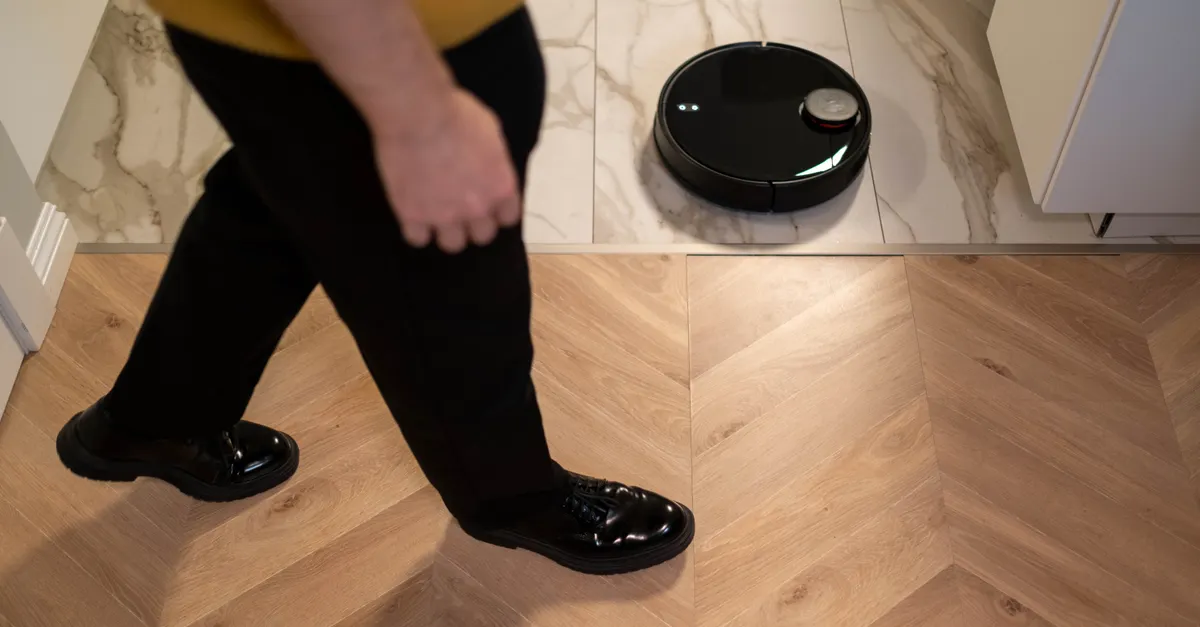
- Major Appliances: Washing machines, refrigerators, and dishwashers equipped with AI can alert users to worn-out parts or abnormal operation.
- Plumbing and Water Heaters: Leak detection sensors and temperature monitors help prevent water damage and optimize efficiency.
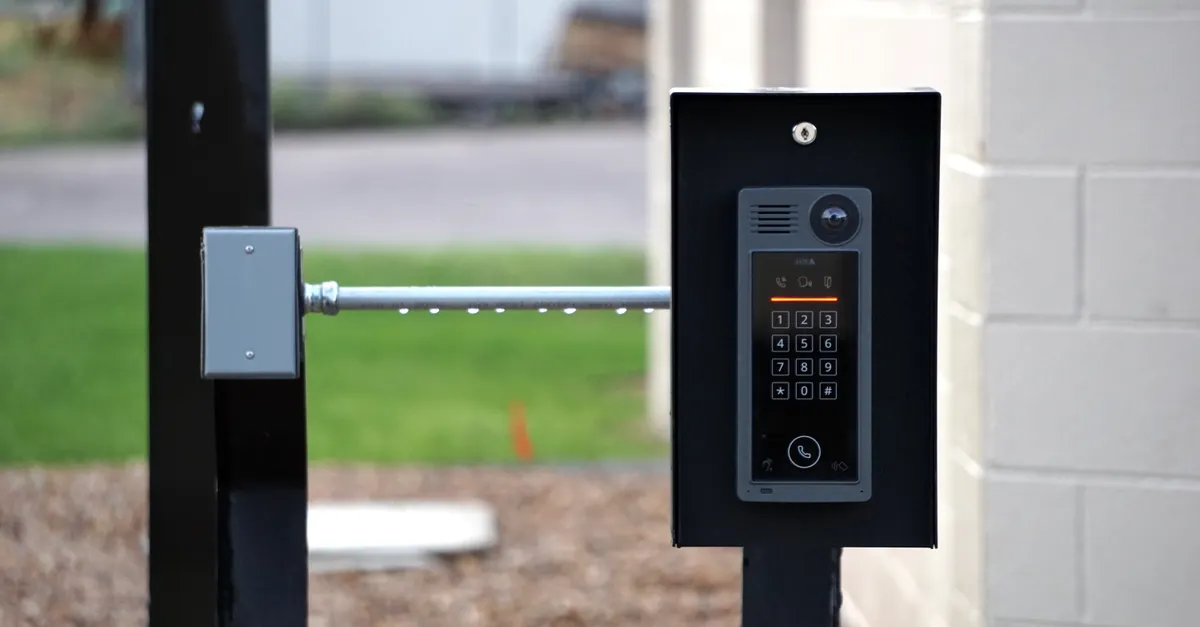
- Security Devices: Smart locks, cameras, and alarms use AI to detect unusual patterns, ensuring systems remain operational and secure.
- Lighting and Electrical: Automated systems can identify faulty wiring or bulbs before they fail, improving safety and reducing inconvenience.
For those looking to expand their knowledge, resources like ai smart home project ideas offer inspiration for integrating intelligent maintenance and automation into your living space.
Challenges and Considerations for Homeowners
While the benefits are clear, there are important factors to consider when adopting AI-based maintenance:
- Privacy and Security: Connected devices collect sensitive data. It’s crucial to choose reputable brands and keep software updated to protect your information.
- Compatibility: Not all systems work seamlessly together. Look for solutions that support common standards or offer integration with your existing setup.
- Initial Investment: Some smart devices and sensors may require upfront costs, but these are often offset by long-term savings.
- Learning Curve: Homeowners may need time to understand and configure new technologies, but most platforms are designed for user-friendliness.

Future Trends in Smart Home Maintenance
As technology continues to evolve, the capabilities of predictive maintenance in residential environments will only grow. Some emerging trends include:
- Integration with Renewable Energy: AI systems will increasingly manage solar panels, batteries, and other green technologies for optimal performance. For more on this, see ai green smart homes with ai.
- Voice and Gesture Control: Homeowners will interact with maintenance systems using natural language or simple gestures, making management even more intuitive.
- Deeper Personalization: AI will learn individual preferences and usage patterns, tailoring maintenance schedules and alerts to each household.
- Expanded Remote Monitoring: With enhanced connectivity, homeowners can oversee and control maintenance from anywhere, as explained in ai remote home monitoring.
Getting Started with AI Maintenance in Your Home
If you’re ready to bring predictive maintenance to your living space, here are a few steps to consider:
- Assess your current devices and systems for compatibility with smart sensors and AI platforms.
- Research reputable brands that offer integrated solutions for the appliances and systems you want to monitor.
- Start with high-impact areas, such as HVAC or major appliances, and expand as you become comfortable with the technology.
- Regularly update device firmware and review privacy settings to ensure your data stays secure.
- Leverage resources like ai occupancy detection in homes to further enhance your smart home’s capabilities.
FAQ
What is predictive maintenance in a smart home?
Predictive maintenance in a connected home uses sensors and artificial intelligence to monitor the condition of appliances and systems. By analyzing data in real time, it can forecast when maintenance or repairs are needed, helping prevent unexpected failures and reduce costs.
How does AI improve home maintenance?
AI enhances home maintenance by continuously learning from device data, identifying patterns, and detecting anomalies. This allows for early intervention, minimizes downtime, and ensures that systems operate efficiently and safely.
Are AI-powered maintenance systems secure?
Most reputable smart home platforms prioritize security and privacy. However, it’s important for homeowners to use strong passwords, keep devices updated, and choose solutions from trusted manufacturers to protect their data.
Can predictive maintenance save money?
Yes, by catching issues early and optimizing system performance, predictive maintenance can help homeowners avoid costly repairs and reduce energy consumption, leading to long-term savings.