
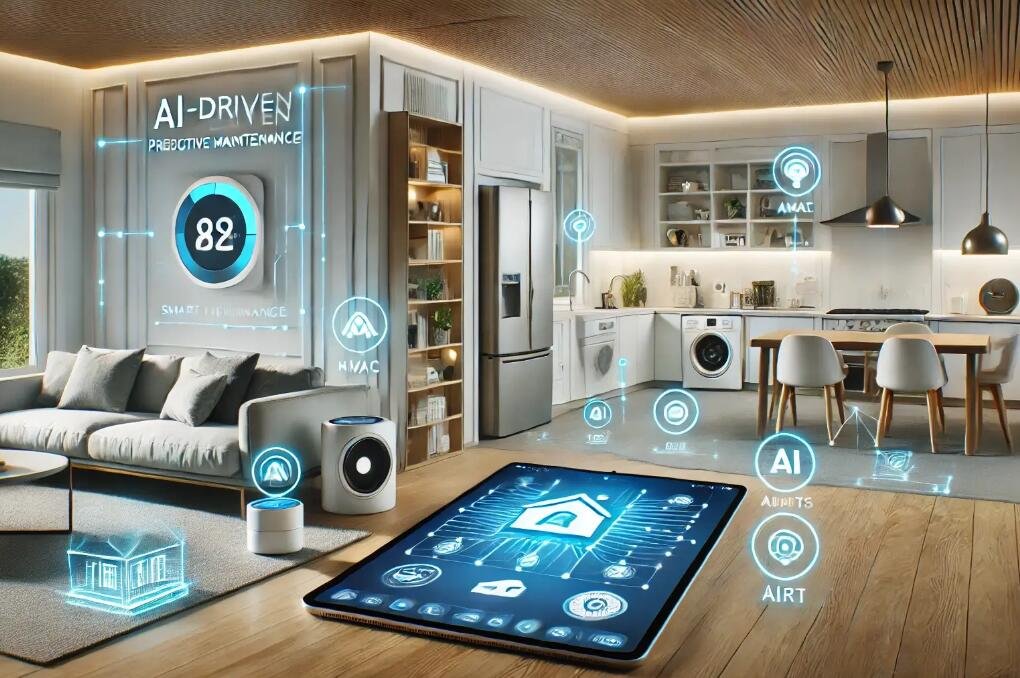
Smart homes are transforming the way we live, offering greater convenience, security, and energy efficiency through the integration of artificial intelligence. For those new to this technology, navigating the world of connected devices and automated systems can feel overwhelming. This ai smart home buying guide is designed to help beginners make informed decisions, understand the essentials, and confidently start building a smarter living space.
Whether your goal is to automate lighting, improve home security, or simply make daily routines easier, understanding the basics of AI-powered home technology is the first step. By learning about the key components, benefits, and considerations, you can create a setup that fits your lifestyle and budget.
If you’re interested in how artificial intelligence can optimize your home’s energy use, you might want to explore how ai reduces electricity bills for practical tips and deeper insights.
Understanding the Basics of AI-Driven Smart Homes
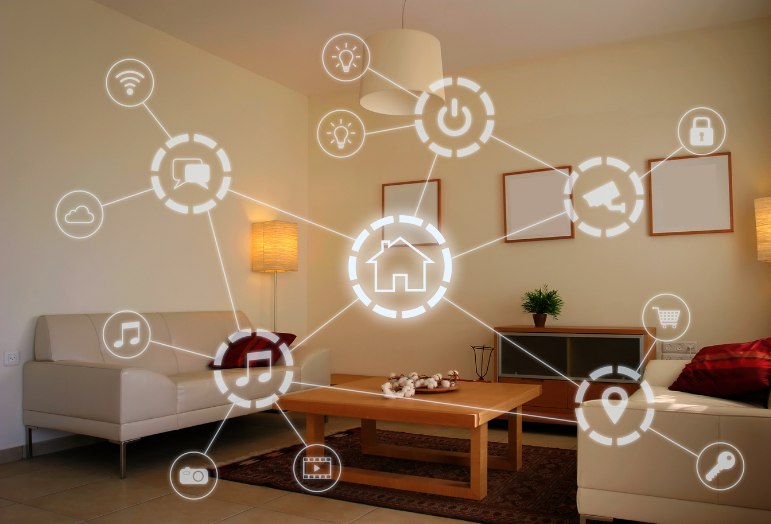
At its core, a smart home uses interconnected devices—such as lights, thermostats, cameras, and speakers—that communicate with each other and can be controlled remotely. When these devices are powered by artificial intelligence, they can learn your habits, automate tasks, and even anticipate your needs.
According to industry definitions, a smart home leverages sensors, software, and networked devices to provide enhanced comfort, safety, and efficiency. AI takes this further by enabling predictive automation, voice control, and personalized experiences.
Key Components to Consider When Starting Your AI Home Journey
Before purchasing devices, it’s important to understand the main categories of AI-enabled smart home products. Here are some essentials to consider:
- Smart Speakers and Voice Assistants: Devices like Amazon Echo or Google Nest Hub act as the central hub for voice commands and automation.
- AI Security Systems: Cameras, sensors, and smart doorbells use AI for motion detection, facial recognition, and real-time alerts.
- Connected Lighting: Smart bulbs and switches can be scheduled, dimmed, or color-adjusted based on your preferences or routines.
- Thermostats with AI: These devices learn your schedule and adjust heating or cooling to optimize comfort and energy savings.
- Smart Appliances: Refrigerators, washing machines, and ovens can be monitored and controlled remotely, often with AI-driven features.
For a deeper dive into intelligent temperature control, see the ai thermostat benefits article, which explains how these devices can enhance comfort and efficiency.
Choosing the Right Ecosystem for Your Needs
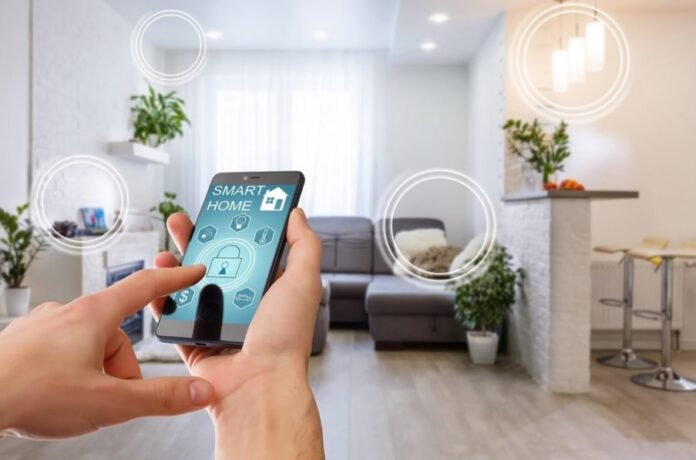
One of the first decisions you’ll make is which ecosystem to build around. The most popular options include Amazon Alexa, Google Assistant, and Apple HomeKit. Each has its own strengths, device compatibility, and privacy features.
- Amazon Alexa: Offers broad device support and a wide range of skills for automation.
- Google Assistant: Integrates well with Google services and provides robust voice recognition.
- Apple HomeKit: Prioritizes privacy and works seamlessly with Apple devices.
Consider which devices you already own and what services you use most. Sticking to one ecosystem can simplify setup and ensure smooth interoperability between devices.
Security and Privacy Considerations in AI Home Technology
As you add more connected devices, security becomes increasingly important. AI-powered systems can process sensitive data, such as video feeds and voice recordings. Here are some best practices:
- Always change default passwords and use strong, unique credentials for each device.
- Keep firmware and apps updated to patch vulnerabilities.
- Review privacy settings and limit data sharing where possible.
- Choose devices from reputable brands with transparent privacy policies.
For those interested in advanced automation, deep learning applications in smart homes can provide further insights into how AI enhances both convenience and security.
Maximizing Value: Tips for Budget-Friendly AI Home Setups
Starting small is often the best approach for beginners. Focus on a few high-impact devices that address your top priorities, such as security or energy management. Here are some tips:
- Begin with a smart speaker or display to serve as your control hub.
- Add compatible devices gradually, ensuring each new addition integrates smoothly.
- Look for bundles or starter kits, which often provide better value.
- Take advantage of automation routines to get the most from your setup.
If lighting is a priority, the ai smart lighting systems guide covers everything you need to know about intelligent lighting options and setup.
Integrating AI for Everyday Convenience and Efficiency
Once your foundational devices are in place, you can explore more advanced features. AI-driven routines can automate daily tasks, such as adjusting the thermostat when you leave home or turning off lights at bedtime. Voice assistants make it easy to control devices hands-free, while machine learning algorithms can optimize your home’s energy usage over time.
For those interested in voice control, the ai voice assistants for home automation resource provides practical advice on setup and best practices.
Common Challenges and How to Overcome Them
While AI-powered home technology offers many benefits, beginners may encounter some hurdles:
- Device Compatibility: Not all devices work together. Check compatibility lists before purchasing.
- Network Reliability: Smart homes depend on a stable Wi-Fi connection. Consider upgrading your router if you experience connectivity issues.
- Learning Curve: Setting up routines and automations can take time. Start with simple tasks and expand as you become more comfortable.
- Privacy Concerns: Review device settings regularly and stay informed about manufacturer updates.
Frequently Asked Questions
What is the first device I should buy for a smart home?
Most beginners start with a smart speaker or display, such as an Amazon Echo or Google Nest Hub. These devices act as a central hub, allowing you to control other compatible products and set up automation routines.
How do I ensure my smart home devices are secure?
Use strong, unique passwords for each device, keep firmware updated, and adjust privacy settings to limit unnecessary data sharing. Purchasing from reputable brands with clear privacy policies also helps protect your information.
Can I mix and match devices from different brands?
Many smart home devices support multiple ecosystems, but not all are universally compatible. It’s best to check compatibility before purchasing and, if possible, stick to one ecosystem for smoother integration.
How can AI help reduce my home’s energy bills?
AI-powered thermostats and lighting systems can learn your routines and optimize energy use, reducing waste and lowering costs. For more details, see how ai reduces electricity bills.
Conclusion
Building an intelligent home is more accessible than ever, thanks to advancements in artificial intelligence and connected technology. By understanding the basics, choosing the right ecosystem, and starting with a few key devices, you can enjoy greater convenience, security, and efficiency. As you gain experience, you can expand your setup and unlock even more possibilities for automation and personalization.