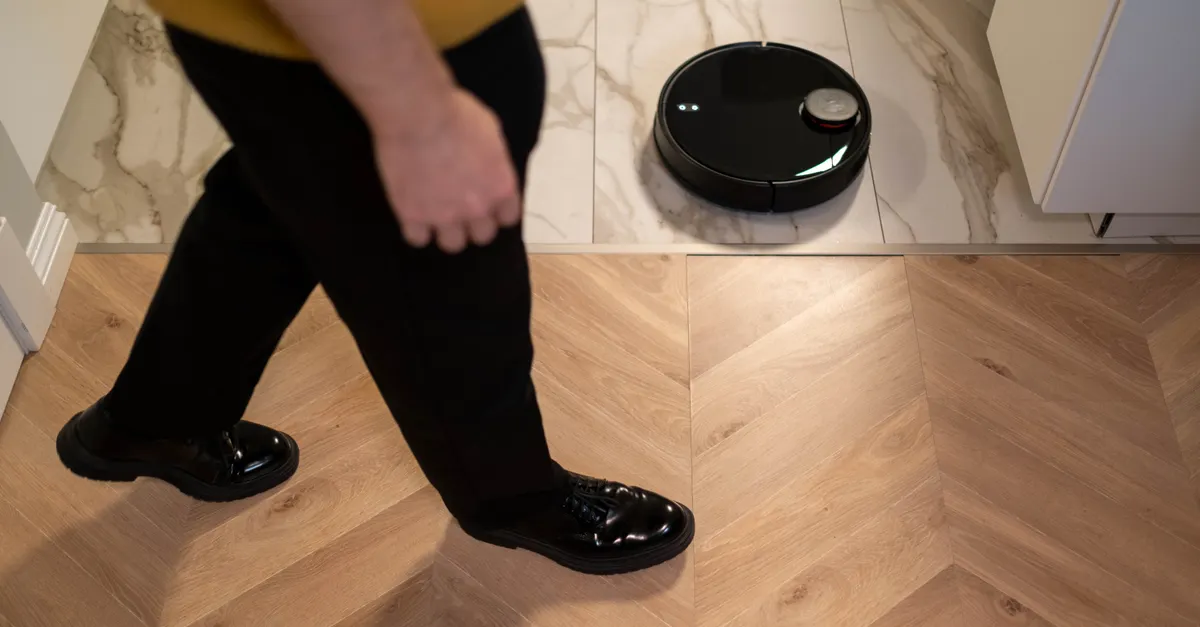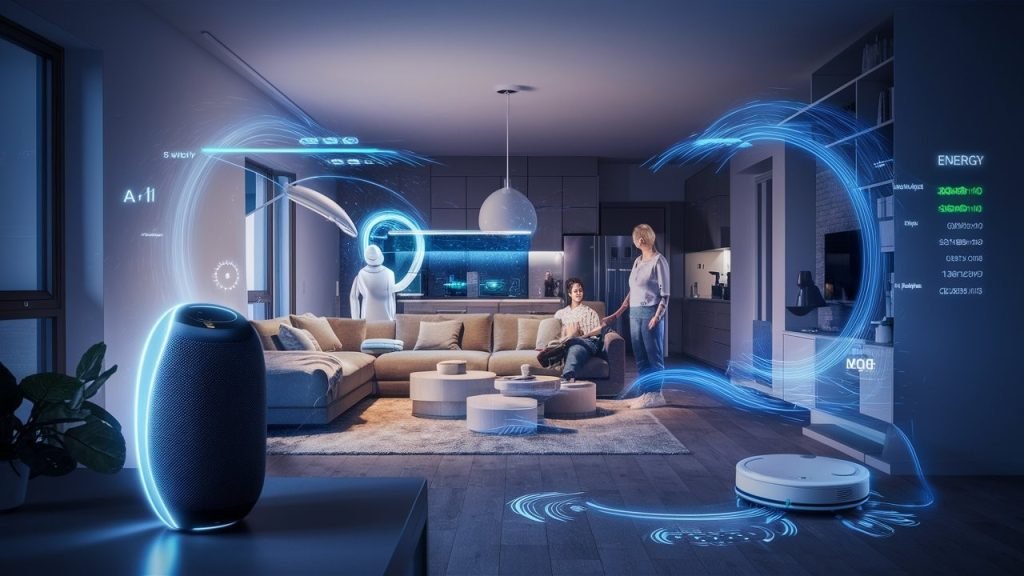
Smart homes are rapidly transforming the way we live, offering convenience, security, and energy efficiency. For newcomers, understanding how to connect artificial intelligence with home automation can seem overwhelming. This ai smart home integration guide is designed to help beginners navigate the basics, from choosing devices to setting up intelligent routines that make daily life easier.
Whether you want to control your lights with your voice, automate your thermostat, or enhance home security, integrating AI into your living space can provide a seamless and personalized experience. As you start your journey, it’s helpful to learn from reliable resources and explore related topics, such as ai battery management systems for homes, to build a solid foundation for your smart home setup.
Understanding the Basics of AI-Powered Home Automation
Artificial intelligence in home automation refers to systems and devices that learn from user behavior, adapt to preferences, and automate tasks. Unlike traditional smart devices, AI-enabled products can make decisions, predict needs, and optimize energy use. For example, a smart thermostat with AI can learn your schedule and adjust temperatures automatically, saving energy and increasing comfort.
Key benefits of integrating AI into your home include:
- Personalized automation – Devices adapt to your routines and preferences.
- Enhanced security – AI-powered cameras and sensors can detect unusual activity and send alerts.
- Energy efficiency – Smart systems optimize heating, cooling, and lighting to reduce waste.
- Convenience – Voice assistants and automated routines simplify daily tasks.
For those interested in exploring creative applications, check out ai smart home project ideas for students to see how AI is being used in innovative ways.
Choosing Compatible Devices for Your Smart Home
Before diving into setup, it’s important to select devices that work well together. Most smart home products use protocols like Wi-Fi, Zigbee, or Z-Wave. Popular AI-enabled devices include:
- Smart speakers and voice assistants (e.g., Amazon Alexa, Google Assistant)
- AI-powered thermostats
- Security cameras with facial recognition
- Smart lighting systems
- Connected doorbells and locks
When shopping, look for products labeled as “Works with Alexa,” “Google Home Compatible,” or similar. This ensures smooth integration and easier control through a central hub or app.
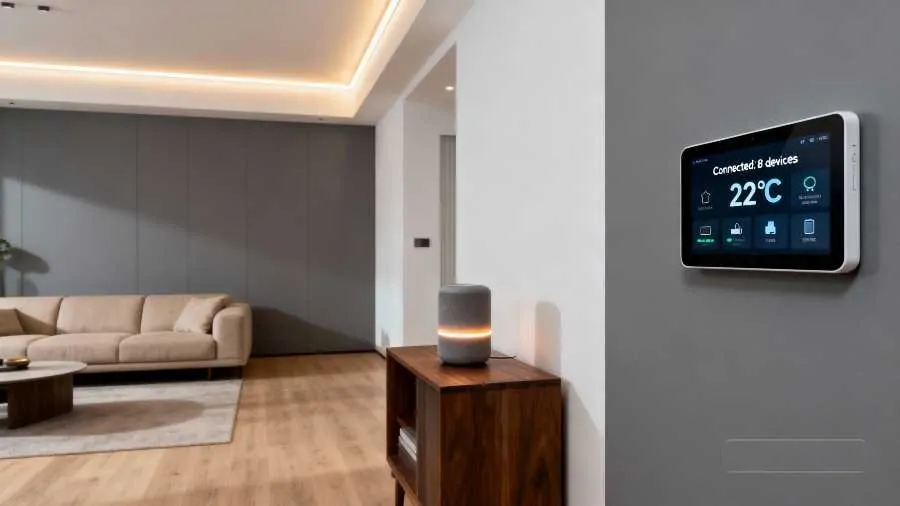
Setting Up Your AI-Driven Home System
Once you’ve chosen your devices, follow these steps to get started:
- Install your smart devices according to the manufacturer’s instructions. This may involve plugging in, connecting to Wi-Fi, or pairing with a hub.
- Download the necessary apps for your devices and create user accounts. Most brands offer dedicated apps for setup and control.
- Connect devices to your home network. Ensure your Wi-Fi is secure and has strong coverage throughout your home.
- Integrate with a voice assistant if desired. Link your devices to Alexa, Google Assistant, or Apple HomeKit for hands-free control.
- Set up routines and automations to make the most of AI features. For example, create a routine that turns off lights and locks doors when you say “Goodnight.”
For a deeper understanding of how AI can enhance home monitoring, see ai remote home monitoring explained.
Maximizing Security and Privacy in a Connected Home
While smart homes offer many advantages, it’s essential to prioritize security and privacy. Here are some best practices:
- Use strong, unique passwords for all device accounts and your Wi-Fi network.
- Enable two-factor authentication where available.
- Regularly update device firmware to patch vulnerabilities.
- Review privacy settings and limit data sharing to trusted services.
- Monitor device activity for unusual behavior or unauthorized access.
For those interested in eco-friendly solutions, integrating AI can also help create ai green smart homes with ai technology that reduce environmental impact.
Expanding Your System: Advanced AI Features and Integrations
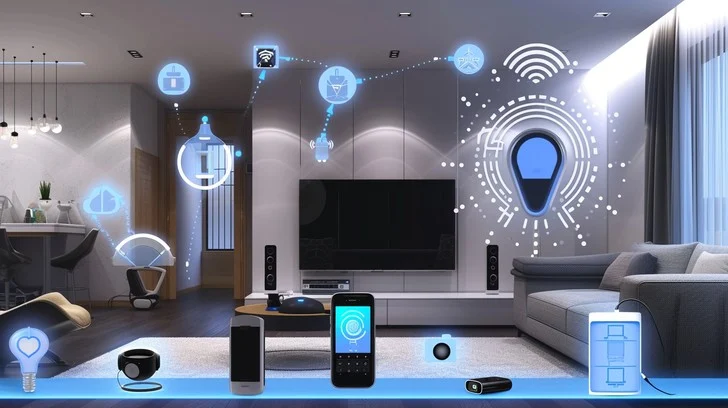
As you become more comfortable with your setup, you can explore advanced features and integrations. Many platforms allow you to:
- Use AI for occupancy detection to automate lighting and climate control based on presence. Learn more about this in ai occupancy detection in homes.
- Integrate third-party services like IFTTT or SmartThings for custom automations.
- Connect smart appliances, such as refrigerators or washing machines, for remote monitoring and control.
- Leverage AI-powered analytics to track energy usage and optimize routines.
For those interested in the latest research and trends in this field, the ACM Digital Library offers a comprehensive overview of AI-driven smart home systems.
Common Challenges and Troubleshooting Tips
Even with the best planning, you may encounter some obstacles when setting up your smart home. Here are a few common issues and solutions:
- Device connectivity problems: Ensure your Wi-Fi network is stable and devices are within range. Restart routers and devices if needed.
- Compatibility issues: Double-check that new devices support your chosen ecosystem (Alexa, Google, Apple, etc.).
- Automation not working as expected: Review your routines and triggers in the app. Sometimes, a simple reset or update can resolve glitches.
- Privacy concerns: Regularly review permissions and disable features you don’t use.
With patience and a willingness to learn, most beginners can overcome these hurdles and enjoy the benefits of a truly intelligent home.
FAQ: Getting Started with AI in Your Home
What is the difference between a smart home and an AI-powered home?
A smart home uses connected devices that can be controlled remotely, while an AI-powered home features systems that learn from your habits and automate tasks without constant input. AI adds a layer of intelligence, making your home more responsive and adaptive to your needs.
Can I integrate AI with my existing devices?
Many existing smart devices can be upgraded or connected to AI-driven platforms through hubs or compatible apps. Check if your devices support integration with major AI assistants like Alexa or Google Assistant for the best experience.
Is it safe to use AI in my home?
AI-enabled devices are generally safe when you follow best practices for security and privacy. Use strong passwords, enable two-factor authentication, and keep device firmware updated to protect your data and privacy.
How much does it cost to set up an AI-based smart home?
Costs vary depending on the number and type of devices you choose. You can start small with a smart speaker and a few bulbs, then expand as your needs and budget allow. Many platforms offer affordable entry-level options for beginners.
Where can I learn more about advanced AI home automation?
For deeper insights and project ideas, explore resources like ai smart home project ideas for students and the latest research in the ACM Digital Library.
By following this beginner’s roadmap, you’ll be well on your way to creating a smarter, more efficient, and enjoyable living environment powered by artificial intelligence.