
AI-powered sensors are transforming the way we interact with our living spaces. By combining advanced algorithms with a variety of sensor types, these systems can automate tasks, enhance security, and improve energy efficiency. For homeowners and technology enthusiasts, understanding how these intelligent devices work—and what they can offer—can help unlock the full potential of a modern connected home.
In this guide, we’ll break down the essential concepts behind artificial intelligence in smart home sensors, explore real-world applications, and provide practical insights for anyone considering an upgrade. Whether you’re interested in convenience, safety, or sustainability, the latest advances in this field offer a glimpse into the future of residential technology.
For those interested in related innovations, you might also want to explore ai battery management systems for homes to see how energy optimization and sensor intelligence intersect in today’s smart homes.
Understanding How Artificial Intelligence Enhances Home Sensors
Traditional sensors in home automation systems detect motion, temperature, humidity, light, and other environmental factors. However, AI-enabled smart home sensors go a step further. By leveraging machine learning and data analytics, these devices can interpret complex patterns, adapt to user behavior, and make predictive decisions.
- Pattern Recognition: AI algorithms can distinguish between regular household activity and unusual events, reducing false alarms and improving responsiveness.
- Personalization: Sensors learn from your routines, automatically adjusting lighting, climate, or security settings to fit your lifestyle.
- Predictive Maintenance: By analyzing sensor data over time, AI can anticipate when appliances or systems might need attention, helping prevent costly repairs.
This level of intelligence is what sets modern smart homes apart, making daily life more convenient and efficient.
Types of AI-Driven Sensors in Connected Homes
There are several categories of sensors that benefit from artificial intelligence integration:
- Motion and Occupancy Sensors: These detect movement and presence, enabling features like automated lighting, climate control, and security alerts. AI helps differentiate between pets, people, and background activity.
- Environmental Sensors: Devices that monitor temperature, humidity, air quality, and light levels. AI can optimize HVAC systems or alert you to potential hazards.
- Audio and Visual Sensors: Cameras and microphones powered by AI can recognize faces, voices, or even specific sounds, enhancing both security and convenience.
- Touch and Proximity Sensors: Used in smart locks, appliances, and entertainment systems, these sensors enable intuitive, context-aware interactions.
For students and DIY enthusiasts, ai smart home project ideas offer inspiration for building custom solutions using these sensor technologies.
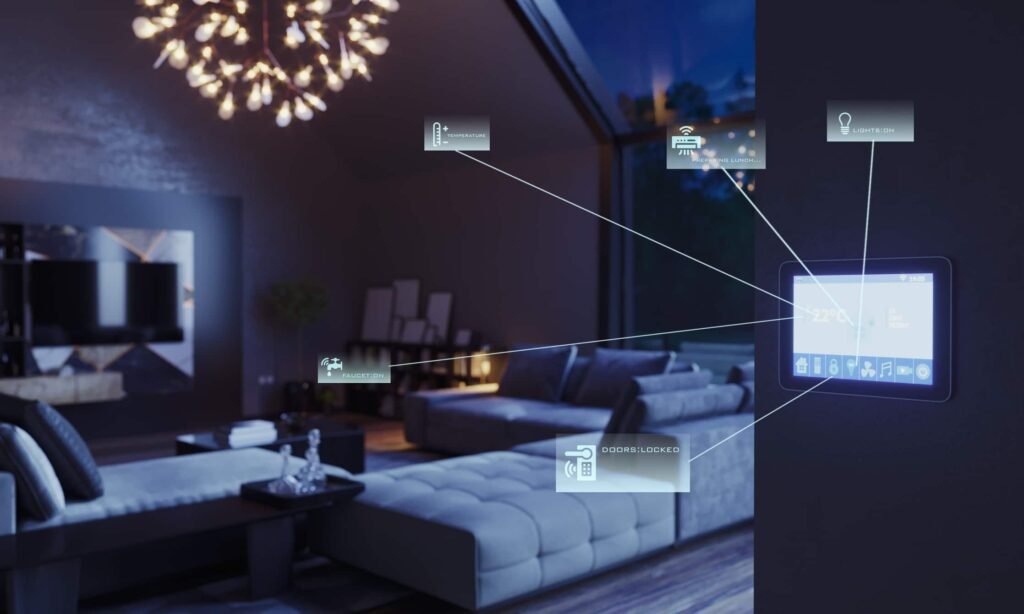
Key Benefits of Intelligent Home Sensor Systems
Integrating AI-powered sensors into your home brings a range of advantages:
- Enhanced Security: AI can detect suspicious activity, recognize familiar faces, and alert homeowners to potential threats in real time.
- Energy Efficiency: By learning occupancy patterns and environmental conditions, sensors can optimize heating, cooling, and lighting, reducing waste and lowering utility bills.
- Comfort and Convenience: Automated routines, such as adjusting lighting or playing music when you enter a room, create a seamless living experience.
- Support for Independent Living: For elderly or disabled residents, AI-driven sensors can monitor wellbeing, detect falls, and provide alerts to caregivers or family members.
To see how these benefits play out in daily life, check out this overview of AI-enabled smart home solutions that highlights practical use cases and success stories.
How AI Sensors Work Together for Smarter Homes
One of the most powerful aspects of modern smart homes is the way different sensors and devices communicate. Through a combination of local processing and cloud-based AI, these systems can:
- Share data across platforms to create a unified, adaptive environment
- Trigger automated actions based on multiple inputs (e.g., turning off lights when no one is detected and the sun is shining)
- Continuously learn and adapt as your habits or household needs change
For example, ai occupancy detection in homes demonstrates how advanced sensors can improve both comfort and efficiency by understanding when and where people are present.

Privacy and Security Considerations
While the convenience of AI-driven sensors is clear, privacy remains a top concern for many users. To ensure your data stays protected:
- Choose devices from reputable brands that offer transparent privacy policies
- Regularly update firmware to patch security vulnerabilities
- Use strong, unique passwords for all connected devices
- Review and adjust data sharing settings according to your comfort level
It’s also wise to stay informed about the latest best practices and technologies, such as those discussed in ai remote home monitoring, which covers secure ways to keep an eye on your property from anywhere.
Future Trends in AI-Driven Home Sensing
The landscape of intelligent home sensors is evolving rapidly. Some emerging trends include:
- Edge AI Processing: More devices are handling data locally, reducing latency and improving privacy.
- Integration with Renewable Energy: Sensors help manage solar panels, batteries, and smart grids for greener living. Learn more about this in ai green smart homes with ai.
- Advanced Health Monitoring: Sensors are being used to track wellness, sleep patterns, and even detect early signs of illness.
- Greater Interoperability: Open standards and improved compatibility are making it easier to mix and match devices from different manufacturers.
As these technologies mature, expect even more seamless, adaptive, and personalized experiences in the home environment.
FAQ
What Are the Main Advantages of Using AI in Home Sensors?
AI brings advanced pattern recognition, predictive capabilities, and personalization to home sensors. This results in fewer false alarms, more efficient energy use, and a living environment that adapts to your preferences and routines.
Are AI-Enabled Sensors Difficult to Install?
Most modern smart sensors are designed for easy installation, often requiring only a smartphone app and a Wi-Fi connection. Some advanced features may need integration with a home automation hub, but manufacturers typically provide step-by-step guides.
How Do AI Sensors Protect My Privacy?
Leading brands implement encryption, local data processing, and user controls to safeguard your information. Always review privacy settings and choose devices with clear, transparent policies to ensure your data is handled responsibly.
Can AI Sensors Help Reduce My Energy Bills?
Yes, by learning your habits and optimizing heating, cooling, and lighting, these sensors can significantly cut down on unnecessary energy use, leading to lower utility costs over time.
Conclusion
AI-powered sensors are reshaping the way we experience our homes. By combining real-time data with intelligent automation, these systems offer improved security, comfort, and efficiency. As technology continues to advance, the possibilities for smarter, more responsive living environments will only expand. Whether you’re upgrading a single device or building a fully connected ecosystem, understanding the role of AI in home sensors is key to making informed decisions and enjoying the benefits of a truly modern home.