Voice assistants and artificial intelligence have transformed how we interact with our homes. With the rise of smart speakers, connected devices, and advanced AI, controlling lighting, security, entertainment, and appliances is now as simple as speaking a command. This ai smart home voice control guide provides a practical overview for anyone looking to make their living space more intelligent, convenient, and secure using voice-driven technology.
Whether you’re just starting with a single smart speaker or planning a fully integrated system, understanding the basics of voice-activated home automation is key. We’ll cover the essential components, setup tips, privacy considerations, and how to get the most out of your connected devices. If you’re interested in expanding your knowledge of related topics, check out our article on ai battery management systems for homes for insights into energy optimization in smart homes.
Understanding Voice-Activated Smart Home Technology
At the heart of modern home automation are voice assistants powered by artificial intelligence. Devices like Amazon Alexa, Google Assistant, and Apple Siri allow users to control compatible gadgets simply by speaking. These systems use natural language processing to interpret commands and trigger actions across a range of connected products.
Key benefits of integrating AI-driven voice control include:
- Hands-free convenience for everyday tasks like adjusting lights, playing music, or setting reminders.
- Enhanced accessibility for users with mobility or vision challenges.
- Centralized management of multiple devices through a single interface.
- Customizable routines and automation sequences for personalized living experiences.
For those interested in applying this technology in creative ways, our resource on ai smart home project ideas offers inspiration for students and DIY enthusiasts.
Essential Components for Voice-Controlled Smart Homes
Building a robust voice-activated environment requires a few core elements. Here’s what you’ll need to get started:
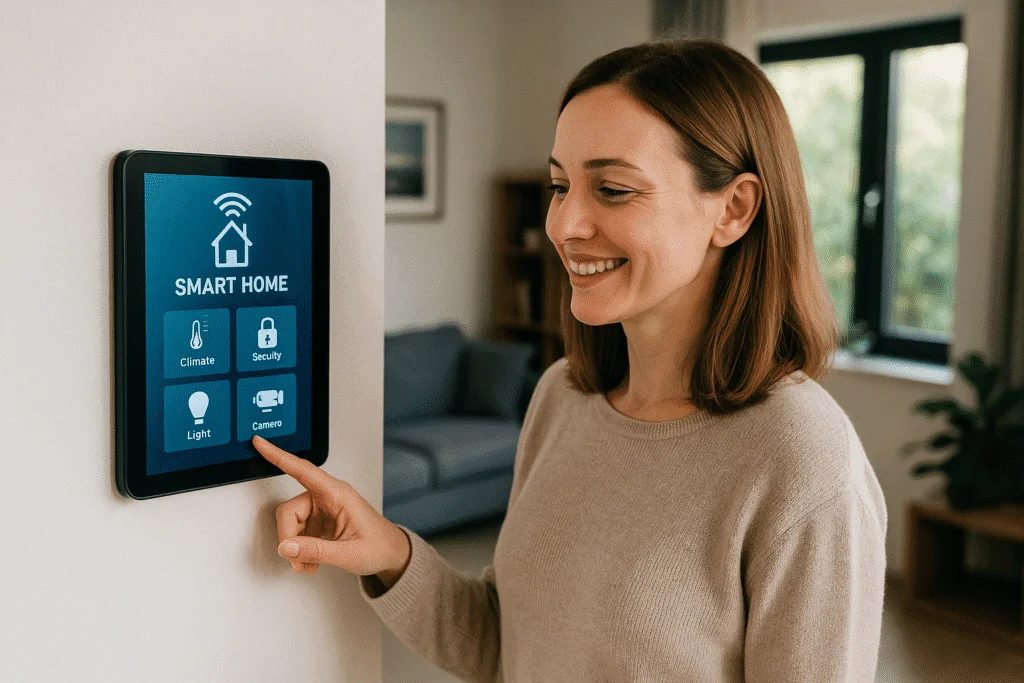
- Smart Speakers or Displays: Devices like the Amazon Echo, Google Nest Hub, or Apple HomePod serve as the central hub for voice commands.
- Compatible Smart Devices: These include smart bulbs, plugs, thermostats, locks, cameras, and more. Look for products labeled as compatible with your chosen voice assistant.
- Reliable Wi-Fi Network: A strong and stable internet connection ensures seamless communication between devices.
- Mobile App: Most ecosystems offer companion apps for setup, customization, and remote control.
Once you have these basics in place, you can expand your system with additional sensors, entertainment devices, and even AI-powered security solutions. For a deeper dive into how AI and IoT work together in connected homes, see this comprehensive overview of AI and IoT in smart homes.
.jpg?trim=0,109,0,91&crop=&width=640&quality=65)
Setting Up and Customizing Voice Commands
Getting started with voice-activated controls is straightforward. After connecting your smart speaker or display to your Wi-Fi and linking your devices through the app, you can begin issuing commands. Most systems support:
- Turning lights on or off, dimming, or changing colors.
- Adjusting thermostats and climate controls.
- Locking doors or viewing security camera feeds.
- Controlling entertainment systems, such as TVs and speakers.
- Creating routines (e.g., “Good night” to turn off lights and lock doors).
For advanced users, many platforms allow for custom routines or even integration with third-party automation tools. This enables complex sequences, such as activating multiple devices with a single phrase or scheduling actions based on time or sensor input.
To further enhance your home’s intelligence, explore our article on ai remote home monitoring for insights into keeping your property secure from anywhere.
Privacy and Security in Voice-Enabled Homes
While the convenience of voice control is undeniable, it’s important to address privacy and security. AI-powered assistants are always listening for their wake word, which raises concerns about data collection and unauthorized access. Here are some best practices:
- Review and adjust privacy settings in your device’s app to limit data sharing.
- Regularly update device firmware to patch security vulnerabilities.
- Use strong, unique passwords for your accounts and Wi-Fi network.
- Mute your smart speaker’s microphone when not in use, if desired.
- Familiarize yourself with how your data is stored and used by the manufacturer.
For those interested in sustainable and energy-efficient living, our guide on ai green smart homes with ai covers how AI can help reduce your environmental footprint while maintaining convenience.
Expanding Your System: Integrations and Future Trends
The landscape of voice-activated homes is rapidly evolving. Today’s systems can integrate with a growing number of devices, from kitchen appliances to garden irrigation. AI continues to improve, offering more natural conversations, proactive suggestions, and even predictive automation based on your habits.
Emerging trends include:
- Integration with health monitoring and wellness devices.
- Smarter energy management through AI-driven optimization.
- Improved interoperability between brands via standards like Matter.
- Advanced occupancy detection and personalized experiences, as discussed in our article on ai occupancy detection in homes.
As the technology matures, expect even greater convenience, security, and sustainability from your connected living space.
FAQ
What devices can I control with voice commands in a smart home?
Most modern smart home ecosystems allow you to control lighting, thermostats, door locks, cameras, plugs, entertainment systems, and even appliances. Compatibility depends on the device and the voice assistant platform you choose.
How secure is voice control for home automation?
Security depends on your setup and habits. Using strong passwords, keeping devices updated, and managing privacy settings are essential. Muting microphones or limiting voice purchasing features can add extra protection.
Can I set up routines or automation with voice assistants?
Yes, most platforms support routines—custom sequences that trigger multiple actions with a single command. For example, you can create a “Good Morning” routine to turn on lights, adjust the thermostat, and play your favorite news briefing.
Do I need an internet connection for voice-activated control?
In most cases, yes. Voice assistants rely on cloud-based AI to process commands and communicate with devices. Some local automations may work without internet, but full functionality typically requires a stable Wi-Fi connection.