Efficient water management is a growing concern for homeowners, gardeners, and property managers alike. AI smart irrigation systems are transforming how we care for lawns, gardens, and landscapes by using artificial intelligence to optimize watering schedules and conserve resources. These advanced solutions combine sensors, real-time weather data, and machine learning to deliver just the right amount of water, reducing waste and supporting healthier plants.
As technology continues to reshape the modern home, integrating intelligent irrigation is becoming a practical step for those seeking sustainability and convenience. If you’re interested in exploring other ways artificial intelligence is making homes greener, check out AI Green Smart Homes with AI Technology for more insights on eco-friendly automation.
What Are AI-Powered Irrigation Systems?
At their core, these systems use artificial intelligence to automate and improve the process of watering plants. Unlike traditional timers or manual setups, they rely on a network of soil moisture sensors, weather forecasts, and sometimes even satellite imagery. The AI analyzes this data to determine when and how much to water, adapting to changing conditions in real time.
For example, if rain is expected, the system can delay watering to avoid over-saturation. If a heatwave is approaching, it can adjust the schedule to ensure plants receive enough moisture. This level of adaptability not only saves water but also promotes healthier root systems and reduces the risk of disease.
Key Benefits of Intelligent Irrigation Solutions
Adopting smart irrigation technology offers several advantages for both residential and commercial users:
- Water Conservation: By delivering precise amounts of water only when needed, these systems can reduce consumption by up to 50% compared to conventional methods.
- Healthier Plants: Consistent and optimized moisture levels help prevent under- or over-watering, supporting robust growth and minimizing stress on vegetation.
- Time and Effort Savings: Automation eliminates the need for manual monitoring and adjustment, freeing up time for other tasks.
- Lower Utility Bills: Reduced water usage translates to cost savings, especially in areas where water is metered or subject to restrictions.
- Environmental Impact: Efficient irrigation helps preserve local water supplies and reduces runoff, which can carry fertilizers and pesticides into waterways.

How AI Enhances Watering Efficiency
The intelligence behind these systems comes from their ability to learn and adapt. Here’s how they work in practice:
- Data Collection: Sensors placed in the soil measure moisture levels, temperature, and sometimes nutrient content. Weather data is gathered from local stations or online sources.
- Analysis: The AI processes this information, comparing current conditions with historical patterns and plant needs.
- Decision-Making: Based on its analysis, the system determines the optimal watering schedule and amount, adjusting as necessary for upcoming weather or seasonal changes.
- Continuous Learning: Over time, the AI refines its algorithms, becoming more accurate as it learns from past outcomes and user feedback.
This approach ensures that water is used efficiently, minimizing waste and supporting sustainable gardening practices. For those interested in broader applications of artificial intelligence in home automation, you might find value in exploring AI smart home project ideas for students and enthusiasts.
Popular Features of Modern Smart Irrigation Systems
Today’s advanced irrigation controllers offer a range of features designed to maximize convenience and performance:
- Remote Access: Many systems can be managed via smartphone apps, allowing users to monitor and adjust settings from anywhere.
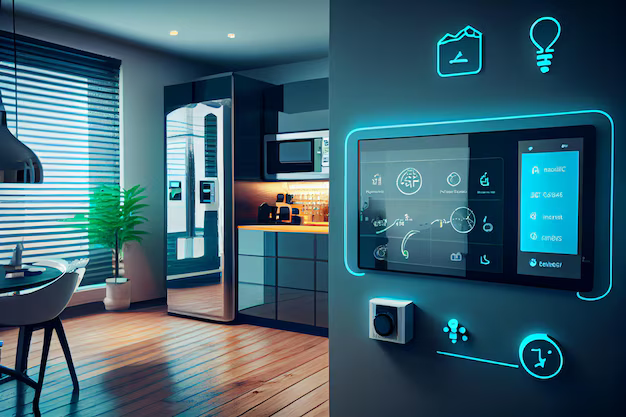
- Integration with Smart Home Platforms: Compatibility with voice assistants and home automation hubs makes it easy to coordinate watering with other smart devices.
- Customizable Zones: Users can set different watering schedules for various parts of their property, accommodating diverse plant needs.
- Leak Detection and Alerts: Some models can identify leaks or malfunctions and send notifications to prevent water loss.
- Detailed Reporting: Usage statistics and performance reports help users track savings and system effectiveness over time.
Choosing the Right AI-Driven Irrigation Solution
When selecting a system for your home or property, consider the following factors:
- Property Size and Layout: Larger or more complex landscapes may require systems with multiple zones and advanced customization.
- Sensor Compatibility: Ensure the solution supports the types of sensors needed for your soil and plant types.
- Connectivity: Look for Wi-Fi or Bluetooth-enabled models for remote management and integration with other smart devices.
- Ease of Installation: Some systems are designed for DIY setup, while others may require professional installation.
- Budget: Prices can vary widely, so balance upfront costs with potential long-term savings on water bills.
Reading reviews and consulting with local landscaping professionals can help you find a system that fits your specific needs. For a broader look at how artificial intelligence is changing home management, see AI remote home monitoring explained for more on smart security and automation.
Integration with Other Smart Home Technologies
One of the strengths of modern irrigation controllers is their ability to work alongside other smart devices. For example, you can synchronize watering with weather sensors, lighting, or even occupancy detectors to further optimize resource use. If you’re curious about how occupancy detection works in smart homes, AI occupancy detection in homes offers a helpful overview.
Some homeowners are also exploring AI-powered home automation devices to create a fully connected living environment. By integrating irrigation with these platforms, you can achieve a seamless, efficient, and eco-friendly home ecosystem.
Challenges and Considerations
While the benefits are significant, there are a few challenges to keep in mind:
- Initial Investment: Advanced systems can be costly to purchase and install, though savings may offset this over time.
- Technical Complexity: Some setups require a learning curve, especially for those new to smart home technology.
- Maintenance: Sensors and controllers need periodic checks to ensure accurate operation.
- Data Privacy: As with any connected device, consider how your data is stored and used by the manufacturer.
Despite these factors, the move toward intelligent irrigation is gaining momentum, especially as water conservation becomes a higher priority in many regions. For those interested in energy management, AI battery management systems for homes is another resource worth exploring.
FAQ
How do AI-based irrigation systems differ from traditional timers?
Traditional timers water on a fixed schedule, regardless of weather or soil conditions. AI-powered solutions use sensors and weather data to adapt watering in real time, ensuring plants receive the right amount of moisture and reducing waste.
Can these systems be used for both lawns and gardens?
Yes, most intelligent irrigation controllers support multiple zones, allowing you to customize watering for lawns, flower beds, vegetable gardens, and more. This flexibility helps address the unique needs of different plant types.
Are AI irrigation systems difficult to install and maintain?
Many models are designed for easy DIY installation, especially those with wireless sensors and app-based controls. Regular maintenance involves checking sensors and ensuring connectivity, but overall upkeep is minimal compared to the benefits gained.