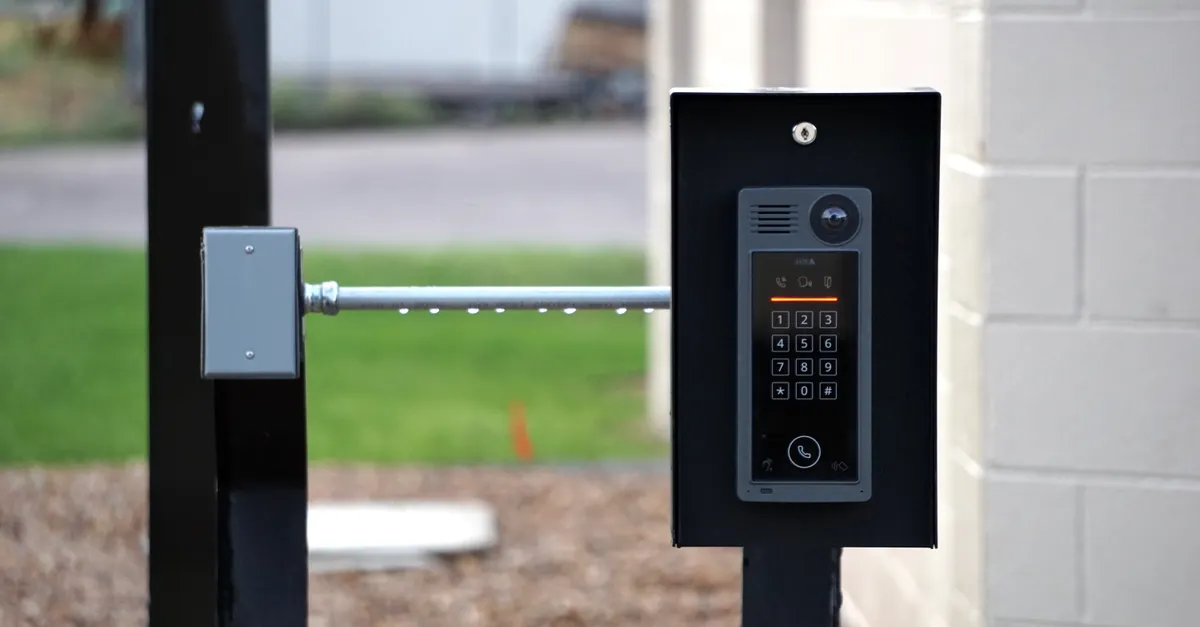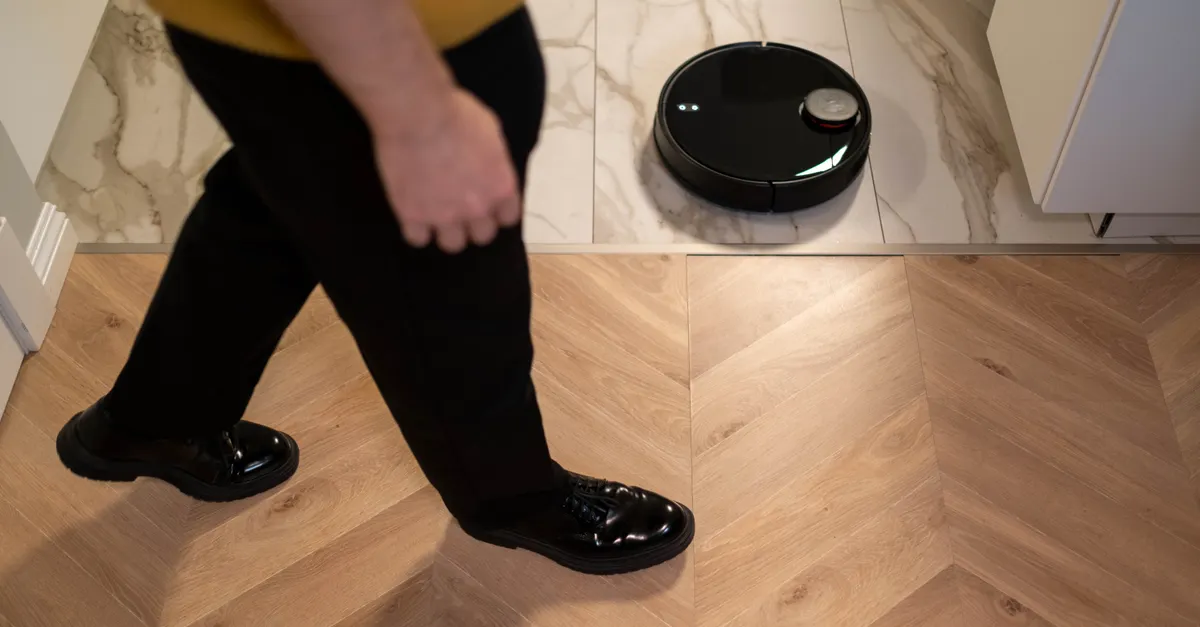

The integration of AI surveillance in smart homes is transforming how households approach security, convenience, and energy management. By leveraging artificial intelligence, modern home monitoring systems can detect unusual activity, automate responses, and provide real-time insights—all while adapting to the unique routines of each household. As smart home adoption accelerates, understanding how AI-driven surveillance works, its benefits, and the considerations involved becomes increasingly important for homeowners and renters alike.
AI-powered monitoring is not just about cameras and sensors. It encompasses a range of technologies, from facial recognition and voice assistants to predictive analytics that help optimize daily living. Whether you’re interested in boosting security, saving energy, or simply making life more convenient, AI-enabled systems offer a new level of control and peace of mind.
For those interested in exploring related innovations, ai battery management systems for homes offer a look at how artificial intelligence is also optimizing energy use and storage in residential settings.
How Artificial Intelligence Enhances Home Surveillance
Traditional home security systems rely on basic motion sensors and manual monitoring. In contrast, AI surveillance in smart homes uses algorithms to analyze data from cameras, microphones, and other sensors, distinguishing between normal and suspicious activity. This means fewer false alarms and faster, more accurate responses to real threats.
- Facial recognition: AI can identify familiar faces and alert you to unknown visitors.
- Object detection: Smart cameras can differentiate between people, pets, and vehicles, providing context-aware notifications.
- Behavior analysis: AI learns your household’s routines, flagging unusual patterns such as unexpected entries or prolonged absences.
These capabilities allow homeowners to receive tailored alerts, automate lighting or alarms, and even communicate with visitors remotely. For a deeper dive into remote monitoring, see the guide on ai remote home monitoring.
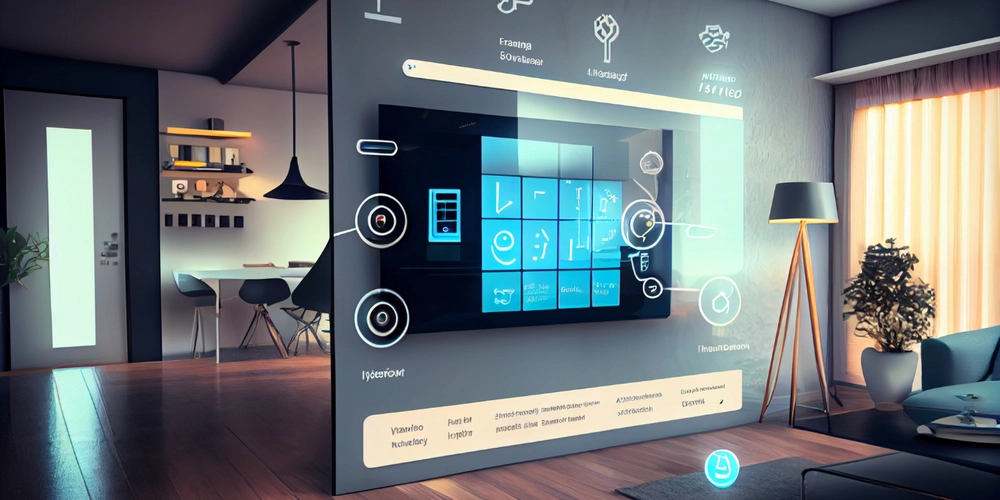
Key Benefits of AI-Driven Security Systems
The advantages of integrating artificial intelligence into home surveillance go beyond simple monitoring. Here are some of the most impactful benefits:
- Proactive threat detection: AI can spot potential dangers before they escalate, such as identifying someone loitering near your property or detecting broken glass.
- Automated responses: Systems can trigger alarms, lock doors, or notify authorities automatically based on real-time analysis.
- Personalized notifications: Instead of generic alerts, you receive updates tailored to your preferences and routines.
- Energy efficiency: By integrating with other smart home devices, AI can adjust lighting, heating, and appliances based on occupancy and activity, reducing energy waste.
For those interested in sustainable living, ai green smart homes with ai explores how artificial intelligence contributes to eco-friendly home management.
Privacy and Ethical Considerations
While the benefits of AI surveillance in smart homes are significant, there are important privacy and ethical questions to consider. AI systems process vast amounts of personal data, including video footage, audio recordings, and behavioral patterns. Homeowners should be aware of how this data is stored, who has access, and what measures are in place to prevent misuse.
- Data security: Ensure your devices use strong encryption and regular firmware updates to protect against hacking.
- User consent: Inform all household members and visitors about the presence of surveillance systems.
- Cloud vs. local storage: Decide whether you prefer to store footage locally or in the cloud, each with its own security implications.
For a comprehensive overview of smart home technology and its implications, visit this introduction to smart homes and buildings.
Popular Use Cases for AI-Enabled Home Monitoring
The practical applications of AI in residential surveillance are expanding rapidly. Some of the most common use cases include:
- Package theft prevention: Smart doorbells and cameras can recognize deliveries and alert you to suspicious activity at your doorstep.
- Child and pet monitoring: AI can distinguish between children, adults, and pets, sending relevant alerts and even tracking movement patterns for safety.
- Remote access: Homeowners can monitor their property from anywhere using mobile apps, with AI filtering out irrelevant notifications.
- Occupancy detection: Systems can determine when the house is empty or occupied, adjusting security settings and energy usage accordingly. Learn more about ai occupancy detection in homes for deeper insights.
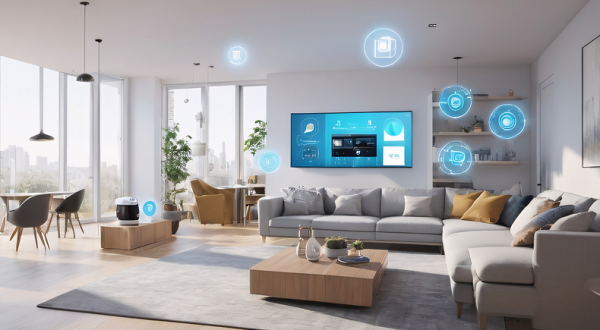
Choosing and Setting Up an AI Home Surveillance System
Selecting the right AI-powered monitoring solution depends on your specific needs, budget, and comfort with technology. Here are some steps to guide your decision:
- Assess your requirements: Consider the size of your home, the areas you want to monitor, and any special needs (such as pet or child monitoring).
- Compare features: Look for systems with advanced AI capabilities like facial recognition, customizable alerts, and integration with other smart devices.
- Check compatibility: Ensure your chosen system works with your existing smart home ecosystem (e.g., Alexa, Google Home, Apple HomeKit).
- Plan installation: Some systems are DIY-friendly, while others may require professional setup for optimal coverage and security.
- Review privacy policies: Read the manufacturer’s data handling and privacy statements to understand how your information will be used and protected.
If you’re interested in experimenting with new technologies, ai smart home project ideas can inspire you to customize and expand your home automation setup.
Future Trends in AI Surveillance for Residences
The future of AI surveillance in smart homes is marked by rapid innovation. Expect to see even more sophisticated analytics, integration with wearable devices, and the use of edge computing to process data locally for enhanced privacy. As AI algorithms become more refined, systems will offer greater accuracy, faster response times, and deeper integration with other aspects of daily life.
Emerging trends include:
- Voice-activated security controls for hands-free operation
- Predictive maintenance that alerts you to potential system failures before they happen
- Seamless integration with energy management, entertainment, and health monitoring systems
These advancements will continue to make smart homes safer, more efficient, and more responsive to the needs of their occupants.
FAQ
What are the main advantages of using AI in home surveillance?
AI enhances home security by providing real-time analysis, reducing false alarms, and enabling proactive responses to threats. It also personalizes notifications and can integrate with other smart devices for a seamless experience.
How does AI protect privacy in smart homes?
Many AI surveillance systems offer local data processing, strong encryption, and customizable privacy settings. Homeowners should review privacy policies and choose solutions that prioritize data security and user consent.
Can AI surveillance systems be integrated with other smart home devices?
Yes, most modern AI-powered security systems are designed to work with a range of smart home platforms, allowing for automation and coordination with lighting, climate control, and other connected devices.