Automated pet feeders powered by artificial intelligence are becoming a common sight in modern homes. These devices promise convenience, precise portion control, and the ability to monitor your pet’s eating habits remotely. But as more pet owners consider adding smart feeders to their households, questions about their safety and reliability naturally arise. Understanding the potential risks and benefits is essential before making a decision.
This article explores the safety aspects of AI-driven pet feeders, including their technological features, possible hazards, and best practices for responsible use. We’ll also touch on how these smart devices fit into the broader landscape of intelligent home solutions, such as ai battery management systems for homes, to help you make an informed choice.
How Smart Pet Feeders Work
AI-enabled feeders use sensors, cameras, and connectivity to automate feeding routines. Most models allow you to schedule meals, adjust portion sizes, and monitor your pet’s food intake through a mobile app. Some advanced versions even analyze your pet’s eating patterns and suggest adjustments for optimal health.
- Portion Control: AI algorithms can dispense precise amounts of food, reducing the risk of overfeeding or underfeeding.
- Remote Monitoring: Built-in cameras and notifications let you check on your pet and their meals from anywhere.
- Custom Schedules: Feeding times can be tailored to your pet’s needs, even if your daily routine changes.
These features offer peace of mind for busy pet owners, but they also introduce new considerations regarding device reliability and data security.
Potential Risks and Safety Concerns
While the convenience of automated feeders is appealing, it’s important to recognize potential safety issues. Here are some of the main concerns associated with these devices:
Device Malfunctions and Power Failures
Like any electronic device, smart feeders can experience technical glitches or lose power. If a malfunction occurs, your pet might miss a meal or receive the wrong portion. To minimize this risk:
- Choose feeders with battery backup or manual override options.
- Regularly check for firmware updates to ensure optimal performance.
- Test the device periodically to confirm it’s working as expected.
Food Quality and Hygiene
Automated feeders store food for extended periods, which can lead to spoilage or contamination if not maintained properly. Always clean the feeder according to the manufacturer’s instructions and avoid leaving perishable food inside for too long.
Cybersecurity and Privacy
Many AI feeders connect to your home Wi-Fi and transmit data to mobile apps. This connectivity can expose your network to potential cyber threats. To protect your privacy and your pet:
- Use strong, unique passwords for your device and app accounts.
- Keep your home network secure with updated security protocols.
- Review the privacy policy of the feeder’s manufacturer to understand how your data is used.

Benefits of Using AI-Driven Feeders Responsibly
When used correctly, automated feeders can offer several advantages for both pets and their owners. Here’s how these devices can enhance your pet care routine:
- Consistency: Scheduled feeding ensures your pet receives meals at the same time every day, supporting healthy routines.
- Portion Management: AI-powered portioning helps prevent obesity and related health issues.
- Remote Access: Owners can check in and adjust feeding from anywhere, which is especially useful during travel or long workdays.
- Data Insights: Some feeders provide analytics on your pet’s eating habits, allowing early detection of changes that could signal health problems.
For those interested in integrating more smart technology into their living spaces, exploring topics like ai remote home monitoring can provide additional ideas for a connected and secure home environment.
Tips for Safe Use of Automated Pet Feeders
To maximize the safety and effectiveness of your smart feeder, consider these best practices:
- Choose a Trusted Brand: Opt for devices with positive reviews and reliable customer support.
- Maintain Regular Cleaning: Prevent mold and bacteria by cleaning the feeder as recommended.
- Monitor Device Status: Check battery levels, connectivity, and software updates regularly.
- Supervise When Possible: While automation is helpful, occasional direct supervision ensures your pet is eating properly.
- Backup Feeding Plan: Have a manual feeding option in case of device failure or power outage.
Comparing AI Feeders to Traditional Options
Traditional gravity feeders and manual feeding remain popular for their simplicity and reliability. However, they lack the advanced features and convenience of AI-powered alternatives. The key is to balance technology with attentive pet care. Automated feeders are best viewed as a supplement to, not a replacement for, personal interaction and observation.
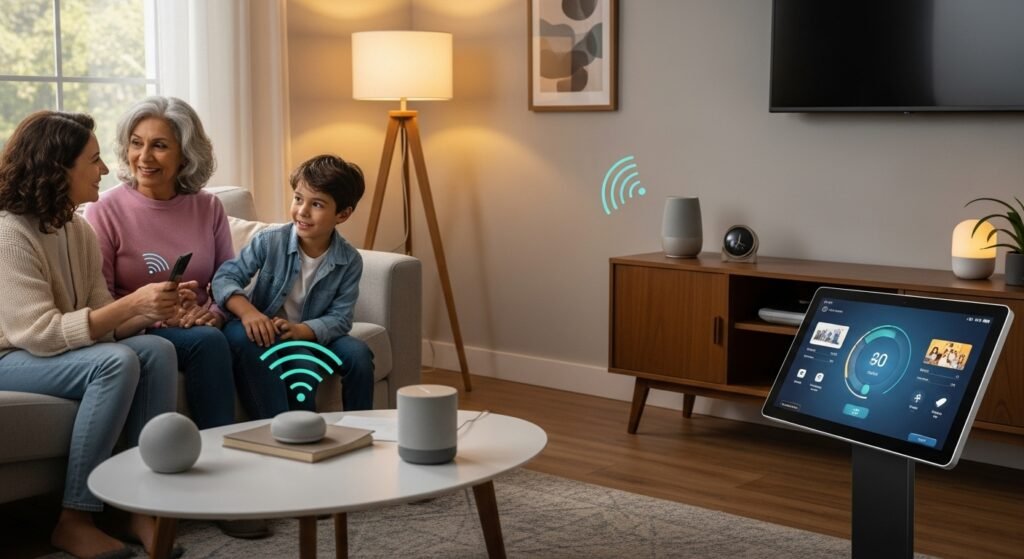
Integrating Smart Feeders Into Your Home Ecosystem
As homes become more connected, integrating devices like AI feeders with other smart systems can enhance convenience and safety. For example, linking feeders with ai occupancy detection in homes can help track your pet’s location and activity, while pairing with environmental sensors ensures optimal feeding conditions.
For those exploring broader smart home upgrades, resources such as ai green smart homes with ai and ai smart home project ideas offer practical inspiration for building a safer, more efficient living environment.
Expert Opinions and Industry Trends
Industry experts generally agree that, when used responsibly, AI-powered feeders are a safe addition to pet care routines. However, they emphasize the importance of regular maintenance and staying informed about new security updates. As smart home technology continues to evolve, we can expect even more robust safety features and integration options in future models.
For a broader look at the latest advancements in home automation, including pet tech, check out these practical smart home gift ideas for 2025.
FAQ
Can AI pet feeders replace human supervision entirely?
No, automated feeders are designed to supplement, not replace, attentive care. While they provide convenience and consistency, it’s important to regularly check on your pet’s health and feeding habits in person.
What should I do if my smart feeder stops working?
Always have a backup feeding plan, such as manual feeding or a trusted neighbor who can help. Check the device’s troubleshooting guide, ensure it has power or batteries, and contact customer support if needed.
Are there privacy risks with connected pet feeders?
Yes, any internet-connected device can pose privacy risks. Protect your data by using strong passwords, keeping software updated, and reviewing the manufacturer’s privacy policy.
How often should I clean my automated feeder?
Follow the manufacturer’s recommendations, but generally, it’s best to clean the feeder at least once a week and more often if using wet or perishable food.
Do AI feeders work with all types of pet food?
Most are designed for dry kibble, but some models can handle semi-moist or wet food. Always check the device specifications before use.