Smart lighting systems are rapidly transforming how we illuminate our living spaces. By integrating advanced controls and automation, these innovative solutions offer more than just convenience—they deliver energy savings, enhanced comfort, and improved security. Whether you’re building a connected home from scratch or upgrading your current setup, understanding the benefits of smart lighting can help you make informed decisions that align with your lifestyle and sustainability goals.
Adopting intelligent lighting isn’t just about having lights that respond to voice commands or smartphone taps. It’s about creating an environment that adapts to your needs, saves you money, and supports your well-being. For those interested in the technology behind these systems, you can explore how smart lighting works to get a comprehensive overview of the underlying mechanisms.
Energy Efficiency and Cost Savings
One of the most compelling reasons homeowners switch to smart lighting is the significant reduction in energy consumption. These systems use LED bulbs, which already consume less power than traditional incandescent or fluorescent lights. But the real advantage comes from automation and intelligent scheduling:
- Automated Schedules: Lights can be programmed to turn on or off at specific times, ensuring you never waste electricity when it’s not needed.
- Occupancy Sensors: Motion detectors can automatically switch off lights in unoccupied rooms, further reducing unnecessary usage.
- Dimming Capabilities: Adjusting brightness based on the time of day or activity helps save even more energy.
Over time, these features can lead to noticeable savings on your utility bills. According to various studies, households that adopt smart lighting solutions often see a reduction in lighting-related energy costs by up to 50%.
Convenience and Customization
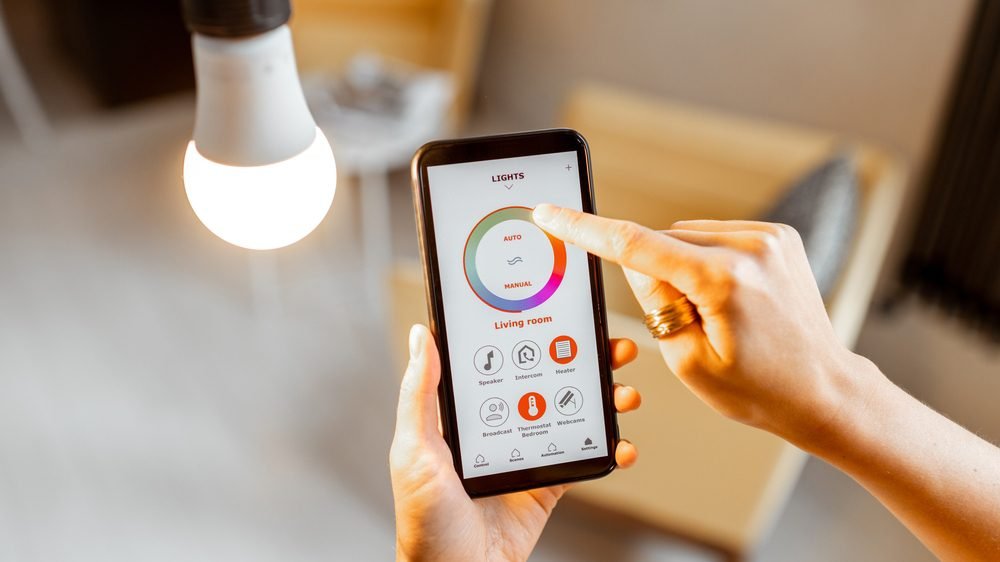
Modern lighting systems are designed for maximum user convenience. With just a few taps on your smartphone or a simple voice command, you can control every light in your home. This level of customization offers several advantages:
- Remote Access: Control your lights from anywhere, whether you’re at work, on vacation, or simply in another room.
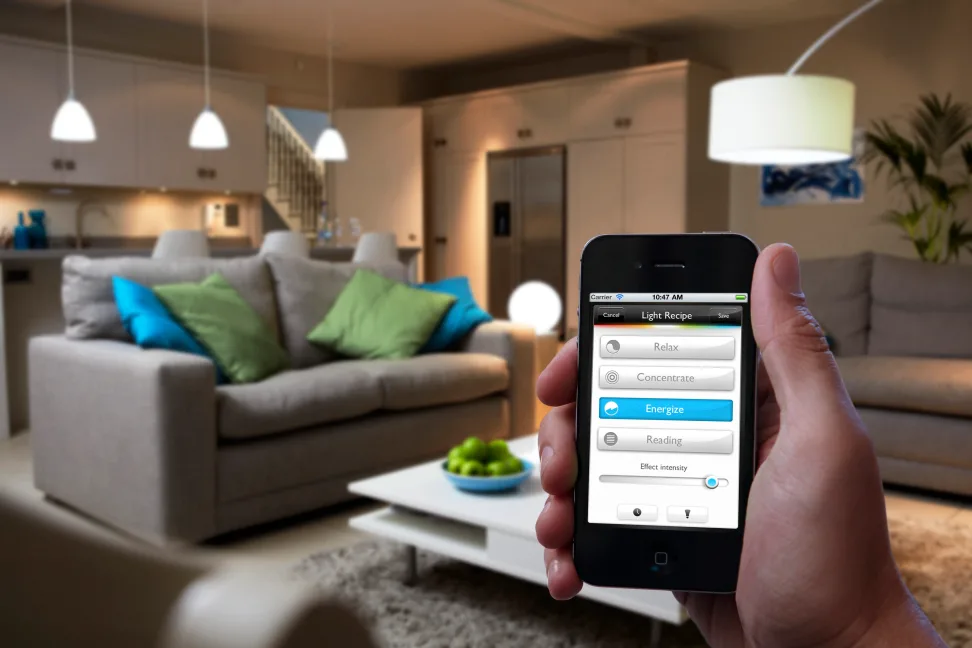
- Scene Setting: Create personalized lighting scenes for different activities, such as movie nights, dinner parties, or bedtime routines.
- Integration with Other Smart Devices: Sync your lighting with smart thermostats, security systems, or even music for a truly connected experience.
Enhanced Security and Peace of Mind
Smart lighting plays a crucial role in home security. By simulating occupancy or responding to unexpected movement, these systems can deter potential intruders and provide reassurance when you’re away. Key features include:
- Automated Lighting Patterns: Set your lights to mimic typical usage patterns, making it appear as if someone is always home.
- Integration with Security Systems: Connect lights to cameras or alarms for immediate illumination if suspicious activity is detected.
- Instant Alerts: Receive notifications if lights are activated unexpectedly, allowing you to respond quickly.
For more insights on integrating smart lighting with advanced home automation, you might find the article on ai home automation programming basics helpful.
Supporting Health and Well-Being
Lighting has a direct impact on our mood, productivity, and sleep cycles. Intelligent lighting systems can adjust color temperature and brightness throughout the day to support your natural circadian rhythm. Benefits include:
- Wake-Up Routines: Gradually increase light intensity in the morning to simulate sunrise, making it easier to wake up naturally.
- Evening Relaxation: Dim lights and shift to warmer tones in the evening to promote relaxation and prepare your body for sleep.
- Task Lighting: Optimize brightness for reading, cooking, or working, reducing eye strain and boosting focus.
These features contribute to a healthier living environment and can be especially beneficial for families with children or individuals with irregular schedules.
Seamless Integration with Smart Home Ecosystems
Today’s lighting solutions are designed to work harmoniously with a wide range of smart home platforms. Whether you use Amazon Alexa, Google Assistant, or Apple HomeKit, you can easily integrate your lighting with other devices. This interoperability allows for:
- Unified Control: Manage all connected devices from a single app or voice assistant.
- Automated Routines: Trigger multiple actions—such as adjusting the thermostat and locking doors—when you turn off the lights for the night.
- Scalability: Start with a few smart bulbs and expand your system as your needs evolve.
For those interested in optimizing their home’s connectivity, the ai mesh networks for homes guide explains how robust wireless networks can enhance the performance of all your smart devices, including lighting.
Environmental Impact and Sustainability
Switching to smart lighting is also a responsible choice for the environment. By reducing energy consumption and extending bulb life, these systems help lower your household’s carbon footprint. Many smart bulbs are designed to last for years, minimizing waste and the need for frequent replacements.
Additionally, some advanced systems can monitor your energy usage and provide insights on how to further reduce consumption. This data-driven approach empowers homeowners to make more sustainable choices without sacrificing comfort or convenience.
Comparing Smart Lighting to Traditional Solutions
While traditional lighting has served homes for decades, it lacks the adaptability and intelligence of modern systems. Here’s a quick comparison to highlight the advantages:
| Feature | Traditional Lighting | Smart Lighting |
|---|---|---|
| Control | Manual switches only | App, voice, automation |
| Energy Efficiency | Low to moderate | High, with automation |
| Customization | Limited | Scenes, schedules, routines |
| Integration | Standalone | Works with other smart devices |
| Security | Basic | Simulated occupancy, alerts |
Getting Started with Smart Lighting
Transitioning to a connected lighting system is easier than ever. Many starter kits are available that include everything you need to begin, from bulbs to hubs and easy-to-use apps. When choosing a system, consider:
- Compatibility: Ensure the devices work with your preferred smart home platform.
- Expandability: Look for solutions that allow you to add more bulbs or features over time.
- Support and Updates: Opt for brands with a track record of regular software updates and customer support.
For a deeper dive into how artificial intelligence is shaping home automation, the article on ai home automation for energy storage explores the intersection of smart lighting and energy management.
Expert Insights and Additional Resources
Industry experts consistently highlight the flexibility, efficiency, and user-friendly nature of these systems. For a broader perspective, you can read this comprehensive overview of smart lighting advantages to see how these trends are shaping modern living spaces.
As technology continues to evolve, the possibilities for connected lighting will only expand, offering even more ways to enhance your home and lifestyle.
Frequently Asked Questions
What are the main advantages of switching to smart lighting?
Key advantages include improved energy efficiency, greater convenience through automation and remote control, enhanced security features, and the ability to customize lighting for different moods and activities.
Is it difficult to install smart lighting in an existing home?
Most smart bulbs and switches are designed for easy installation and can be set up without professional help. Many systems are compatible with standard fixtures and require only a Wi-Fi connection and a smartphone app.
Can smart lighting help reduce my electricity bills?
Yes, by automating schedules, using occupancy sensors, and optimizing brightness, intelligent lighting systems can significantly lower your energy consumption and reduce monthly utility costs.
How does smart lighting contribute to home security?
These systems can simulate occupancy when you’re away, integrate with alarms and cameras, and send instant alerts if unexpected activity is detected, helping to deter intruders and keep your home safe.