The rapid growth of AI-powered devices is transforming how people manage their homes, with a special focus on well-being and comfort. As more individuals look for ways to create healthier indoor environments, the question arises: can AI gadgets improve indoor health in meaningful, measurable ways? This article explores the latest innovations, their practical benefits, and what to consider when integrating these tools into daily life.
From smart thermostats that optimize air quality to intelligent leak detectors that prevent mold, artificial intelligence is reshaping the landscape of home health. Before diving into specific examples and their impact, it’s worth noting how these technologies fit into the broader movement toward smarter, greener living. For those interested in sustainable solutions, exploring topics like AI green smart homes with AI can provide additional context on the intersection of automation and wellness.
Understanding the Role of AI in Indoor Wellness
Artificial intelligence is no longer limited to voice assistants or entertainment. Today, a wide range of AI gadgets are designed specifically to monitor, analyze, and enhance the indoor environment. These devices use sensors and machine learning to detect patterns, predict issues, and automate adjustments that support healthier living spaces.
For example, smart thermostats can learn your schedule and adjust heating or cooling to maintain optimal humidity and temperature, which are crucial for respiratory health. Leak detectors use AI to identify water leaks early, preventing mold growth and water damage. Air quality monitors track pollutants and allergens, providing real-time feedback and recommendations.
The integration of these tools is part of a larger trend toward AI remote home monitoring, where homeowners can oversee and control their environment from anywhere. This not only increases convenience but also empowers individuals to take proactive steps in maintaining a safer, healthier home.
Key AI Gadgets That Support a Healthier Home
A growing number of smart devices are making it easier to manage indoor wellness. Here are some of the most impactful categories:
- Smart Air Quality Monitors: These use AI to detect and analyze airborne particles, VOCs, and humidity. Some models can even trigger air purifiers or HVAC adjustments automatically.
- Intelligent Leak Detectors: Placed near toilets, sinks, or appliances, these gadgets alert homeowners to leaks before they become major problems, helping prevent mold and structural damage.
- AI-Driven Thermostats: By learning your habits and preferences, these devices optimize temperature and humidity, which can reduce allergens and improve sleep quality.
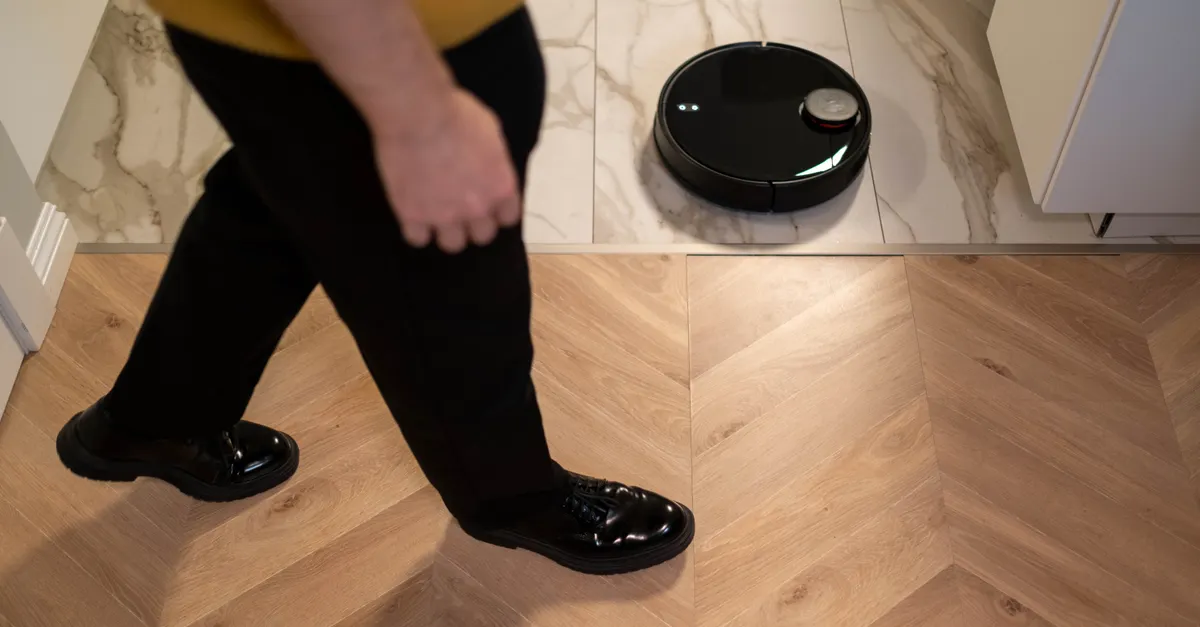
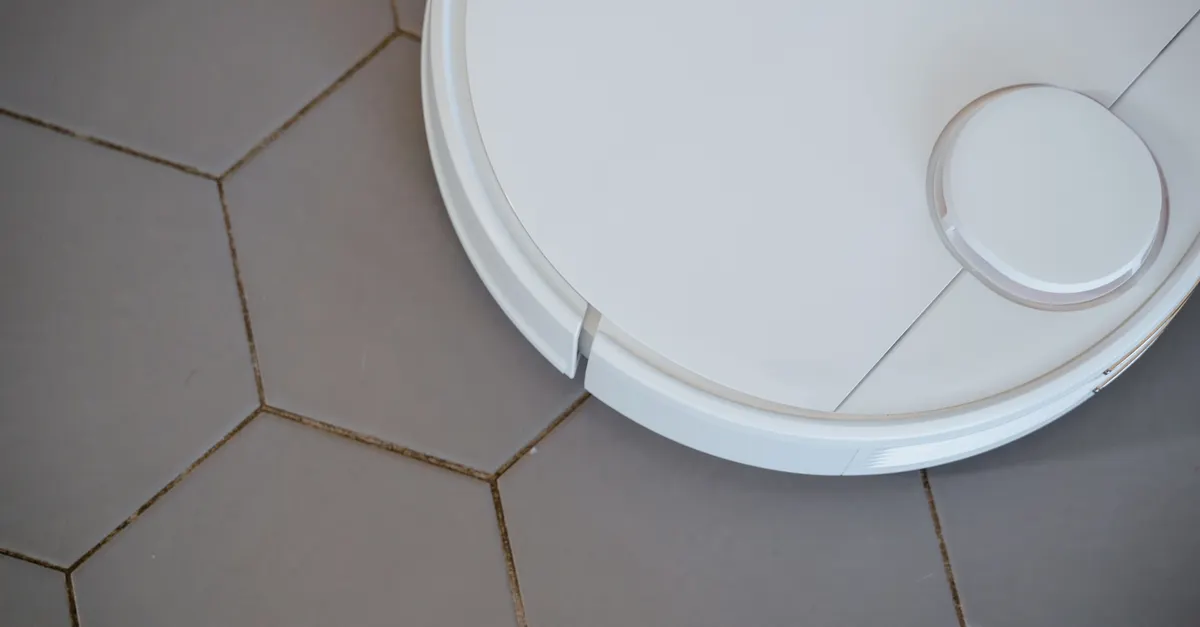
- Robotic Cleaners: Vacuum and mop robots with AI navigation can reduce dust, pet dander, and allergens, contributing to a cleaner and healthier environment.
- Smart Speakers and Assistants: While often used for entertainment, these can also provide reminders for medication, hydration, or air filter changes, supporting daily health routines.

How AI Devices Enhance Indoor Air Quality
One of the most significant ways AI contributes to better indoor health is through air quality management. Devices equipped with advanced sensors can continuously monitor levels of dust, pollen, carbon dioxide, and even volatile organic compounds. When poor air quality is detected, these systems can automatically activate air purifiers, adjust ventilation, or send alerts to prompt action.
By leveraging machine learning, these gadgets not only react to immediate changes but also learn from historical data to predict and prevent future issues. For instance, if a pattern of high humidity is detected in a particular room, the system might recommend running a dehumidifier or checking for leaks.
For those interested in exploring more about smart home automation and its impact on daily living, resources like the future of smart homes with AI-powered automation offer valuable insights into the evolving landscape of connected wellness.
Preventing Health Hazards with Smart Leak Detection
Water leaks are a common but often overlooked threat to indoor health. Undetected leaks can lead to mold growth, which is linked to respiratory issues and allergies. AI-powered leak detectors use real-time monitoring and predictive analytics to catch leaks early, often before they become visible.
These devices can be placed in high-risk areas such as bathrooms, kitchens, and basements. When a leak is detected, homeowners receive instant notifications, allowing for quick intervention. Some systems can even shut off water automatically to prevent further damage.
Integrating leak detection with other smart home technologies creates a comprehensive approach to risk reduction. For example, pairing these sensors with AI battery management systems for homes ensures that critical devices remain powered during emergencies, further safeguarding health and property.

Smart Thermostats and Personalized Comfort
Maintaining the right indoor temperature and humidity is essential for comfort and health. AI-enabled thermostats go beyond simple scheduling by learning from user behavior and environmental data. They can adjust settings to reduce energy use while keeping conditions ideal for sleep, productivity, and allergy management.
Some models integrate with weather forecasts and occupancy sensors, ensuring that adjustments are made proactively. This not only supports well-being but also contributes to energy efficiency, aligning with broader goals of sustainability and cost savings.
For those interested in further customization, exploring AI smart home project ideas can provide inspiration for integrating multiple devices and creating routines tailored to specific health needs.
Challenges and Considerations When Adopting AI for Indoor Health
While the benefits of AI gadgets are clear, there are important factors to consider before adopting these technologies. Privacy is a major concern, as many devices collect and transmit sensitive data. It’s essential to review privacy policies and choose products from reputable manufacturers.
Compatibility is another key issue. Not all devices work seamlessly together, so it’s wise to check for integration with existing systems or platforms. Additionally, some solutions may require regular maintenance or software updates to function optimally.
Finally, while AI can automate many aspects of home health, it should complement—not replace—regular cleaning, maintenance, and healthy habits. Technology is a powerful tool, but human oversight remains crucial.
FAQ
What types of AI gadgets are most effective for improving indoor health?
Devices such as smart air quality monitors, leak detectors, robotic cleaners, and intelligent thermostats are among the most impactful. They help manage air quality, prevent water damage, and maintain comfortable living conditions.
Are AI-powered home devices difficult to install and use?
Most modern AI gadgets are designed for easy installation and user-friendly operation. Many connect via Wi-Fi or Bluetooth and can be managed through smartphone apps. However, it’s important to follow manufacturer instructions for optimal performance.
How do AI gadgets contribute to energy efficiency?
By learning user preferences and environmental patterns, AI devices can optimize heating, cooling, and appliance use. This not only supports indoor health but also reduces energy consumption and utility costs.
Can AI gadgets help with specific health concerns like allergies?
Yes, many AI-powered devices are designed to monitor and reduce allergens such as dust, pollen, and pet dander. Air quality monitors and robotic cleaners are particularly effective for allergy management.
Conclusion
The integration of artificial intelligence into everyday home devices is opening new possibilities for healthier indoor environments. From proactive air quality management to early leak detection and personalized comfort, these innovations offer practical solutions for modern living. As with any technology, thoughtful adoption and regular oversight are key to maximizing benefits. For those seeking to further enhance their living spaces, exploring advanced options like AI occupancy detection in homes can provide additional layers of safety and convenience.