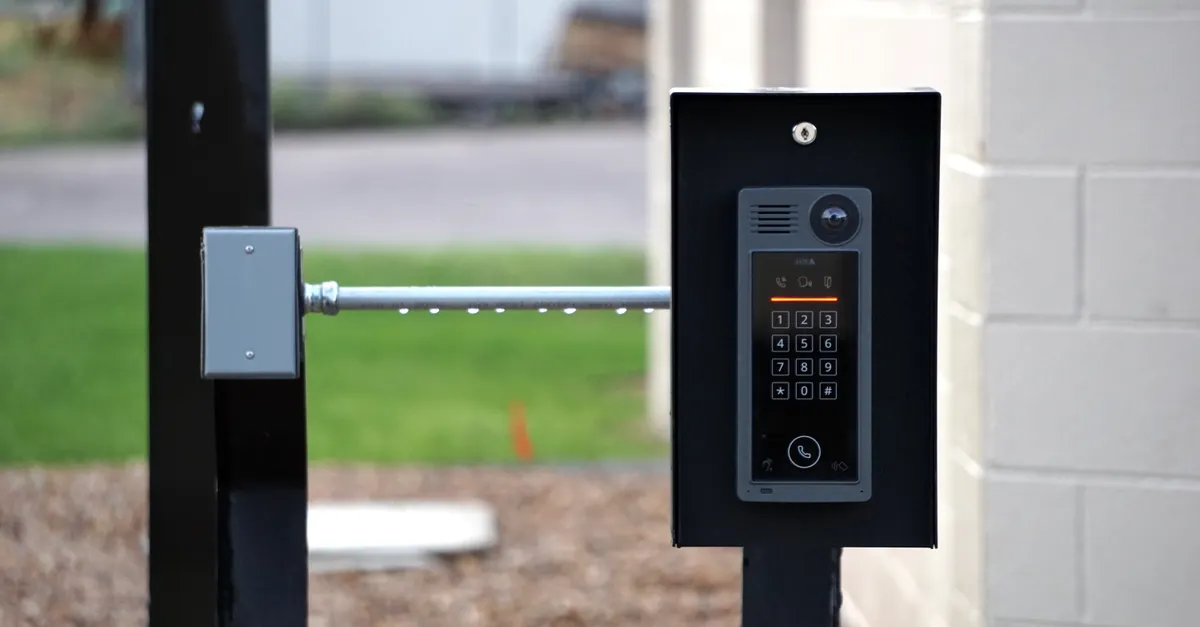
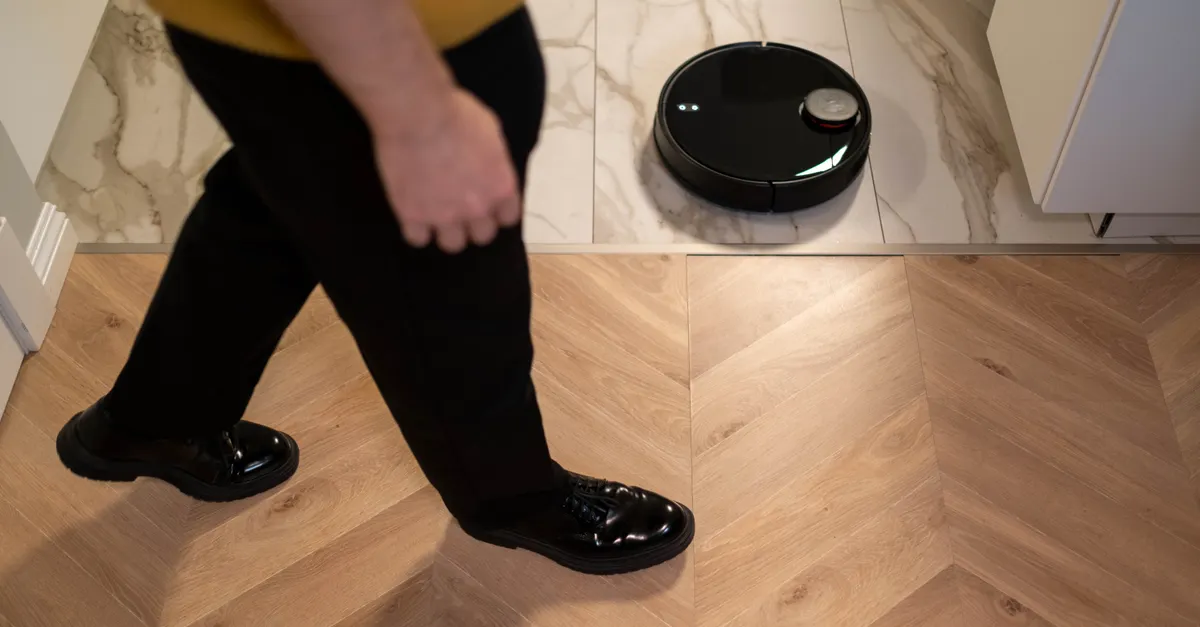
Smart home technology has rapidly evolved, with artificial intelligence (AI) now powering everything from thermostats to leak detectors. As these devices become more common, a practical question arises: can AI home gadgets work offline? Many homeowners want to know if their smart devices can function without a constant internet connection, whether for privacy, reliability, or security reasons.
This article explores how AI-enabled home gadgets operate when disconnected from the cloud, which devices support offline functionality, and what the trade-offs are. Along the way, you’ll find practical examples, expert insights, and links to further resources, helping you make informed decisions about your connected home.
For a deeper look at how AI is shaping home energy management, check out ai battery management systems for homes, which covers the integration of smart energy solutions in modern households.
Understanding Offline Capabilities in AI-Powered Home Devices
When considering whether intelligent home gadgets can operate without internet access, it’s important to distinguish between local processing and cloud-based AI. Devices with local AI capabilities can analyze data, make decisions, and perform actions entirely within your home network. In contrast, cloud-dependent gadgets rely on remote servers for processing, requiring a stable internet connection for full functionality.
Offline operation is especially relevant for users concerned about privacy, data security, or those living in areas with unreliable connectivity. Some devices, such as smart thermostats and certain security systems, are designed to retain basic features even when disconnected. Others may lose advanced AI-driven features, like voice recognition or predictive automation, when offline.
Types of Smart Home Gadgets and Their Offline Performance
The ability of AI home gadgets to work offline varies widely depending on the product category and manufacturer. Here’s a breakdown of common device types and what you can expect when the internet goes down:
- Smart Speakers: Most voice assistants (like Amazon Echo or Google Nest) require cloud connectivity for natural language processing. However, some models offer limited offline voice commands for basic controls.
- Thermostats: Many smart thermostats can maintain schedules and manual adjustments offline, but remote access and advanced learning features may be unavailable.
- Leak Detectors: Devices such as toilet leak detectors often continue to monitor and alert locally, but app notifications and remote monitoring typically need internet access.
- Security Cameras: Some cameras record locally to SD cards and can operate without the cloud, while others only function with an internet connection.
- Lighting and Plugs: Zigbee, Z-Wave, or Thread-based devices can often be controlled locally via a hub, even if the internet is down.
For more on how AI is being integrated into home automation and energy storage, see ai home automation for energy storage.

Benefits of Offline Functionality for Smart Homes
There are several advantages to choosing home gadgets that support offline operation:
- Privacy: Local processing keeps sensitive data within your home, reducing exposure to external breaches.
- Reliability: Devices that work offline continue to function during internet outages, ensuring uninterrupted service for critical systems like alarms or thermostats.
- Speed: Local AI can process commands faster, as there’s no need to send data to the cloud and wait for a response.
For homeowners interested in disaster preparedness, ai smart home disaster management systems offers insights into how offline-capable AI can enhance safety and resilience.
Limitations and Trade-Offs of Offline AI Devices
While offline operation offers clear benefits, there are some limitations to consider:
- Reduced Features: Many advanced AI features, such as natural language processing or predictive analytics, require cloud resources and may not be available offline.
- Updates: Firmware and software updates typically require an internet connection, so offline devices may miss out on new features or security patches.
- Remote Access: Without internet, you can’t control devices or receive alerts when away from home.
Some manufacturers are addressing these challenges by developing hybrid solutions, where basic features work locally and advanced features activate when connectivity is restored. For example, certain smart thermostats can maintain schedules and temperature control offline, but need the cloud for learning routines or remote adjustments.
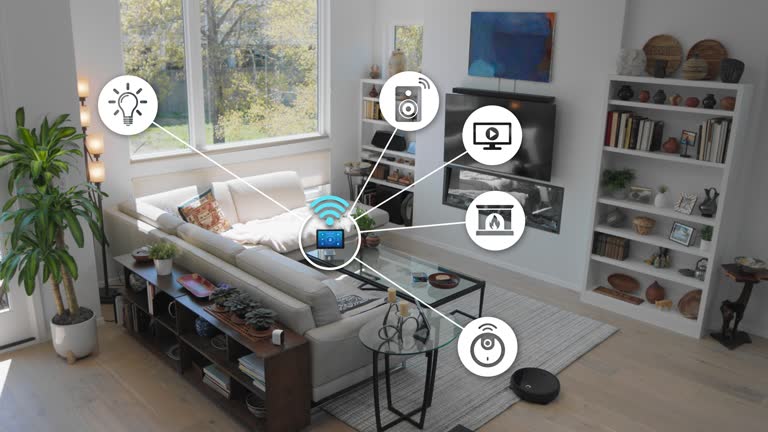
How to Identify Devices with Local AI Processing
When shopping for smart home technology, look for these indicators that a device supports offline or local AI operation:
- Product Specifications: Manufacturers often note “local processing,” “edge AI,” or “offline voice recognition” in their specs.
- Supported Protocols: Devices using Zigbee, Z-Wave, or Thread often support local control via a hub.
- User Reviews: Search for feedback from users who have tested devices during internet outages.
For a closer look at how wearables and home automation can work together, you may find ai home automation integration with wearables useful.
Additionally, some brands are now prioritizing privacy and offline capabilities as selling points. Always check the manufacturer’s documentation or contact support if offline operation is important to you.
Future Trends: Offline AI and Smart Home Evolution
The trend toward local AI processing is gaining momentum. As chipsets become more powerful and efficient, more devices are capable of running sophisticated algorithms without needing the cloud. This shift is being driven by consumer demand for privacy, speed, and resilience.
Industry experts predict that hybrid models—where devices offer core features offline and enhanced capabilities online—will become the norm. For example, smart speakers may soon handle more voice commands locally, while only complex queries are sent to the cloud. Similarly, ai predictive analytics in smart homes is enabling smarter automation that can adapt to your routines even when connectivity is spotty.
For more insights on how AI is transforming home appliances and what to expect in the coming years, see this comprehensive guide to AI-powered home appliances.
FAQ
Do All Smart Home Devices Need the Internet to Work?
No, not all smart home devices require a constant internet connection. Many products, especially those with local AI processing, can perform basic functions offline. However, features like remote access, cloud-based voice assistants, and some automation routines may be unavailable without connectivity.
Which AI Home Gadgets Are Best for Offline Use?
Devices that advertise “local processing” or support Zigbee, Z-Wave, or Thread protocols are typically more reliable offline. Examples include certain smart thermostats, leak detectors, and lighting systems that use a local hub for control and automation.
What Are the Main Drawbacks of Using Smart Devices Offline?
The main limitations are loss of remote control, fewer AI-driven features, and delayed software updates. While offline operation boosts privacy and reliability, some advanced capabilities—like natural language voice assistants or predictive analytics—may not function until the device reconnects to the cloud.