Screen time is a growing concern for individuals and families alike. With smartphones, computers, and smart devices becoming central to daily routines, many people are searching for ways to manage and minimize their digital exposure. The question arises: can AI tools reduce screen time in practical, meaningful ways? Advances in artificial intelligence are now offering new solutions to help people take control of their digital habits, automate tasks, and create healthier boundaries with technology.
From smart home devices to personalized digital assistants, AI-driven solutions are increasingly integrated into everyday life. These tools can automate repetitive tasks, provide reminders to take breaks, and even manage home environments—all with the goal of freeing up time and reducing unnecessary device usage. As we explore the potential of AI in this context, it’s important to consider both the benefits and the practical steps for integrating these technologies into daily routines.
For those interested in how smart home technology can further optimize energy use and contribute to a more balanced lifestyle, exploring ai home automation for energy storage provides valuable insights into the broader impact of AI in the home environment.
Understanding the Role of AI in Managing Digital Habits
Artificial intelligence is uniquely positioned to help individuals monitor and adjust their technology usage. By analyzing patterns in device interaction, AI-powered applications can identify when and how often users engage with screens. This data-driven approach allows for personalized recommendations, such as suggesting optimal times to take breaks or highlighting periods of excessive use.
Many digital wellbeing apps now leverage AI to provide real-time feedback and gentle nudges. For example, some smartphone platforms use machine learning to detect when a user is likely to be scrolling mindlessly and can prompt them to pause or switch activities. These interventions are designed to be supportive rather than restrictive, making it easier for users to develop healthier habits over time.
How Smart Home Devices Can Limit Unnecessary Screen Exposure
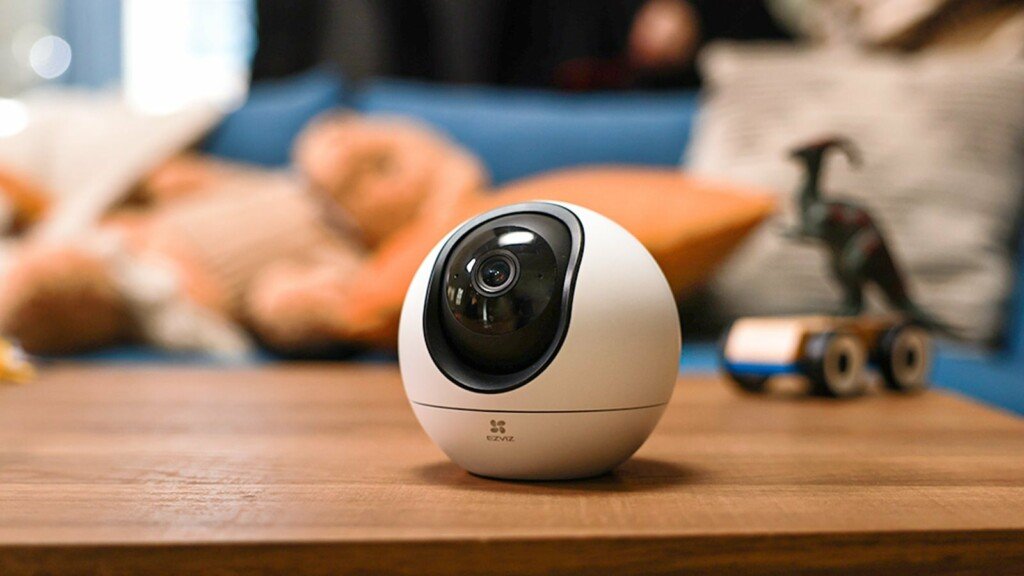
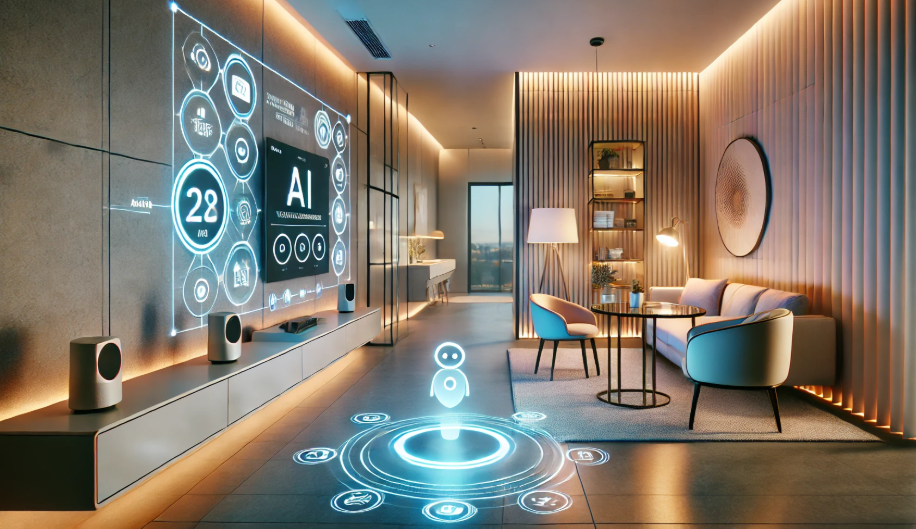
Smart home technology is another area where AI is making a significant impact on screen time reduction. Devices such as smart speakers, thermostats, and automated lighting systems can perform tasks that previously required manual input through a phone or computer. By shifting these interactions to voice commands or automated routines, users can accomplish more without being tethered to a screen.
For instance, setting reminders, controlling music, adjusting the thermostat, or even checking the weather can all be managed through voice-activated AI assistants. This hands-free approach not only streamlines daily routines but also minimizes the temptation to check notifications or become distracted by other apps.

Personalized Recommendations and Digital Wellbeing
One of the most promising aspects of AI in this space is its ability to provide tailored suggestions based on individual usage patterns. Instead of generic advice, AI-driven platforms can adapt to each user’s lifestyle, preferences, and goals. For example, if a person tends to use their phone late at night, an AI assistant might suggest winding down with a non-digital activity or automatically enable a “do not disturb” mode.
Some AI tools can also automate routine tasks, such as scheduling appointments, managing shopping lists, or even controlling smart appliances. By reducing the need to interact with multiple apps or devices, these solutions help users stay focused and avoid unnecessary screen time.
For those interested in the broader applications of AI in home management, learning about ai battery management systems for homes can provide additional context on how automation is transforming daily life and supporting digital wellbeing.
AI-Powered Automation: Shifting Tasks Away from Screens
Automation is a key benefit of integrating AI into the home. By allowing smart devices to handle repetitive or time-consuming tasks, individuals can reclaim valuable time and reduce their reliance on screens. Examples include:
- Voice-activated assistants that manage reminders, alarms, and information requests without requiring a phone or tablet.
- Smart thermostats that learn household routines and adjust temperatures automatically, eliminating the need for manual adjustments via apps.
- Leak detectors and other smart sensors that monitor home conditions and send alerts only when necessary, reducing the need to constantly check devices.
These technologies not only streamline daily routines but also help create a more mindful approach to technology use. By delegating tasks to AI, users can focus on activities that matter most—without the constant pull of digital distractions.

Challenges and Considerations When Using AI to Minimize Device Use
While AI offers many benefits for reducing screen exposure, there are some challenges to consider. Not all solutions are equally effective for every user, and some may require a learning curve or adjustments to existing routines. Privacy is another important factor, as many AI-powered devices collect and analyze personal data to deliver personalized experiences.
It’s also essential to balance automation with intentional technology use. Relying too heavily on AI can sometimes lead to over-dependence, so it’s important to use these tools as part of a broader strategy for digital wellbeing. Setting clear goals, regularly reviewing device usage, and combining AI with other healthy habits can lead to more sustainable results.
For more on how predictive analytics and smart home integration can further enhance these efforts, see ai predictive analytics in smart homes and ai home automation integration with wearables.
Exploring the Future of AI for Healthier Digital Lifestyles
As AI technology continues to evolve, its potential to support healthier digital habits will only grow. Innovations in home automation, personalized recommendations, and proactive wellbeing features are making it easier than ever to limit unnecessary screen exposure. For those interested in the latest advancements, resources such as this guide to AI-powered home automation gadgets offer a look at emerging trends and practical applications.
Ultimately, the most effective approach combines AI-driven tools with mindful decision-making. By leveraging technology to automate tasks, monitor usage, and encourage healthy routines, individuals and families can create a more balanced relationship with their devices.
FAQ
How do AI tools help people spend less time on screens?
AI solutions can automate routine tasks, provide reminders to take breaks, and offer personalized recommendations based on usage patterns. By shifting interactions to voice commands or automated routines, users can accomplish more without being tied to a device.
Are there privacy concerns with using AI for screen time management?
Many AI-powered tools collect and analyze personal data to deliver tailored experiences. It’s important to review privacy settings, understand what data is being collected, and choose solutions that align with your comfort level regarding data sharing.
Can smart home devices really make a difference in reducing device use?
Yes, smart home devices like speakers, thermostats, and sensors can handle many daily tasks without requiring manual input through a screen. This reduces the need to check phones or computers, helping users stay focused on other activities.
What are some practical first steps for using AI to manage screen time?
Start by identifying repetitive tasks that could be automated, such as setting reminders or controlling home devices. Explore AI-powered digital wellbeing apps, and consider integrating voice assistants or smart home products to streamline routines and reduce digital distractions.