
The concept of AI in smart homes is transforming how we interact with our living spaces. Artificial intelligence is no longer just a futuristic idea—it’s now a practical part of daily life for millions. From voice assistants that answer questions to systems that automatically adjust lighting and temperature, intelligent technology is making homes more comfortable, secure, and efficient.
If you’re new to this topic, understanding how artificial intelligence fits into the connected home can feel overwhelming. This article breaks down the basics, explains the benefits, and highlights real-world examples so you can see how these innovations might fit into your own home. For those interested in a deeper dive into the technical side, you might also want to explore how AI works in smart homes for a simple explanation.
Understanding Artificial Intelligence in Connected Homes
At its core, artificial intelligence in smart homes refers to the use of algorithms and data to automate, optimize, and personalize home environments. These systems learn from your habits and preferences, making decisions or suggestions to improve comfort, convenience, and safety.
Unlike traditional automation, which follows pre-set rules, AI-powered devices adapt over time. For example, a smart thermostat might notice when you usually leave for work and adjust the temperature accordingly, saving energy without you having to program anything.
Key Components of AI-Driven Home Systems
Several technologies work together to create an intelligent home environment:
- Voice Assistants: Devices like Amazon Alexa, Google Assistant, and Apple Siri use natural language processing to understand and respond to spoken commands.
- Smart Sensors: These detect motion, light, temperature, humidity, and more, feeding data to AI systems for real-time decision-making.
- Connected Devices: Lights, locks, cameras, appliances, and entertainment systems can all be managed by AI, either individually or as part of routines.
- Machine Learning Algorithms: These analyze data from your daily activities to predict needs and automate tasks.
For a look at some of the most popular products, check out this overview of AI-powered smart home devices you should know.
How AI Enhances Daily Life at Home
Integrating AI into smart home systems brings a range of practical benefits:
- Personalized Comfort: AI learns your routines and preferences, adjusting lighting, temperature, and even music to suit your mood or schedule.
- Energy Efficiency: Intelligent systems can turn off lights and appliances when not in use, optimize heating and cooling, and provide insights to help you save on utility bills.
- Improved Security: AI-powered cameras and sensors can detect unusual activity, send alerts, and even distinguish between familiar faces and strangers. For more details on this aspect, see how AI improves home security.
- Convenience: Automations like voice-activated controls, scheduled routines, and remote access make daily tasks easier and more efficient.
.jpg?trim=0,109,0,91&crop=&width=640&quality=65)
Real-World Examples of AI in Modern Homes
The use of artificial intelligence for smart living spaces is already widespread. Here are some common examples:
- Smart Doorbells: These use AI to recognize faces, detect packages, and send real-time alerts to your phone.
- Automated Lighting: Systems adjust brightness and color based on time of day, occupancy, or even your mood.
- Voice-Controlled Entertainment: AI can recommend shows or music based on your preferences and habits.
- Security Cameras: Intelligent cameras distinguish between people, pets, and vehicles, reducing false alarms.
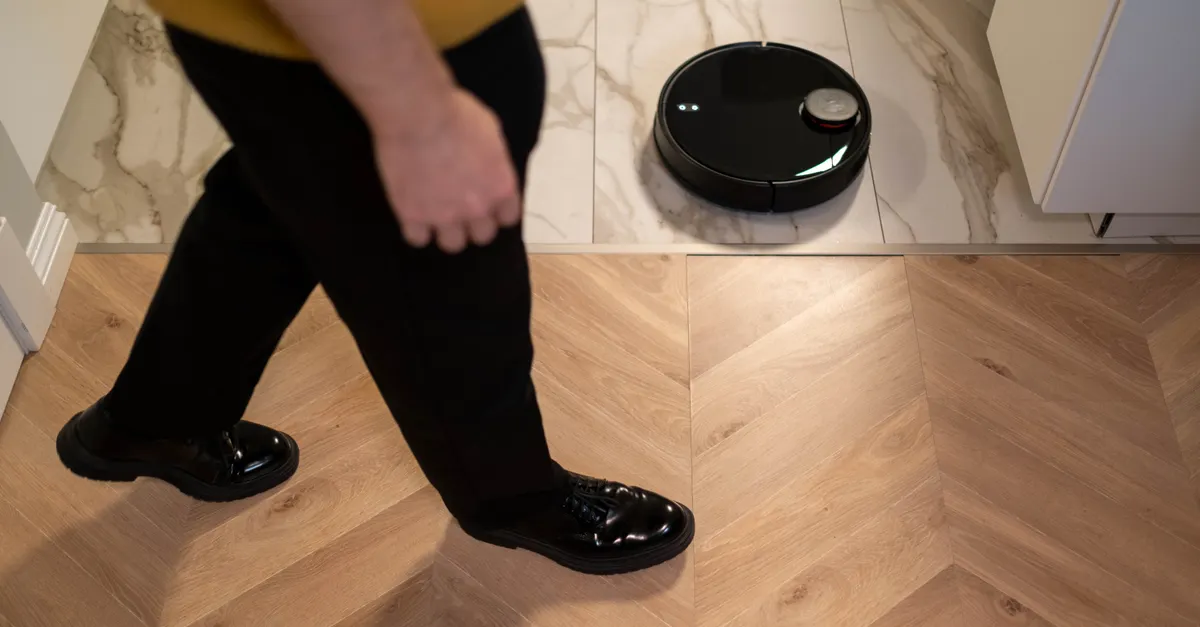
- Home Robots: Some vacuum cleaners and lawn mowers use AI to map your home and optimize cleaning routes.
As technology evolves, the possibilities for AI-powered home automation continue to expand. For a glimpse into what’s next, explore the future of AI in smart homes and emerging trends.
How AI and IoT Work Together in Home Automation
The combination of artificial intelligence and the Internet of Things (IoT) is what truly enables smart homes to function seamlessly. IoT devices collect data from sensors and appliances, while AI analyzes this information to make decisions or automate actions.
For example, a network of sensors might detect that you’ve left the house, prompting the AI to lock doors, turn off lights, and adjust the thermostat. This synergy is covered in depth in resources like this guide to AI and IoT in smart homes.

Benefits and Potential Drawbacks of AI-Enabled Homes
While the advantages of AI in home automation are significant, it’s important to consider both sides:
- Pros:
- Greater convenience and comfort
- Enhanced security and peace of mind
- Energy and cost savings
- Personalized experiences
- Cons:
- Privacy concerns due to data collection
- Potential for technical glitches or system failures
- Upfront costs for devices and installation
- Learning curve for setup and customization
As with any technology, weighing the benefits against the challenges is key. For those interested in sustainable living, integrating smart systems can also support off-grid homestead sustainability.
Getting Started With Smart Home AI
If you’re considering adding AI-powered devices to your home, start small. Many people begin with a smart speaker or thermostat, then expand to lighting, security, and entertainment as they become more comfortable with the technology.
- Identify your main goals—comfort, security, energy savings, or convenience.
- Research compatible devices and platforms that fit your needs and budget.
- Consider privacy and data security settings for each device.
- Look for products with good customer support and regular software updates.
- Expand your system gradually, integrating new devices as you learn what works best for your lifestyle.
For more inspiration, browse the latest AI-powered smart home devices available today.
FAQ: Common Questions About AI in Smart Homes
How does AI differ from regular home automation?
Traditional automation follows fixed rules or schedules, while AI uses data and learning algorithms to adapt and make decisions based on your habits. This means your home can anticipate your needs and adjust automatically, rather than just responding to pre-set commands.
Are AI-powered smart homes secure?
Security is a top priority for most manufacturers. AI can enhance safety by detecting unusual activity and sending alerts, but it’s important to use strong passwords, enable two-factor authentication, and keep devices updated to protect against vulnerabilities.
Can I use AI devices if I rent or live in an apartment?
Yes, many smart home products are designed for renters and can be installed without permanent changes. Devices like smart speakers, plugs, and bulbs are easy to set up and move when you relocate.
What are some future trends in AI for smart homes?
Expect to see even more personalized automation, improved energy management, and tighter integration with health and wellness devices. For a deeper look at what’s ahead, see the future of AI in smart homes.