The rapid growth of artificial intelligence in consumer electronics is transforming the way we live, work, and interact with our homes. From smart speakers and thermostats to leak detectors and security cameras, AI-powered devices are becoming central to modern households. But how do AI gadgets integrate with home networks to deliver seamless automation, voice control, and intelligent routines? Understanding this integration is key for anyone looking to build a smarter, more connected living space.
In this article, we’ll explore the core technologies, protocols, and best practices that allow AI devices to communicate with each other and with your home’s infrastructure. Whether you’re just starting with a single smart device or looking to expand into a full ecosystem, knowing how these products connect and operate can help you make informed choices and avoid common pitfalls.
If you’re interested in related topics, you may also want to read about ai battery management systems for homes, which explores how AI optimizes energy use in residential settings.
Core Technologies Behind AI Device Integration
At the heart of every smart home setup is the ability for devices to connect, share data, and respond to user commands. The question of how do AI gadgets integrate with home networks can be answered by looking at the core technologies that enable this connectivity:
- Wi-Fi: Most AI-powered devices, such as smart speakers and cameras, use Wi-Fi to connect directly to your home router. This allows them to access cloud services, receive updates, and interact with other devices on the same network.
- Bluetooth and Zigbee: Some gadgets use Bluetooth for short-range communication or Zigbee for low-power, mesh networking. These protocols are common in smart bulbs, sensors, and locks.
- Thread and Matter: Newer standards like Thread and Matter aim to unify device communication, making it easier for products from different brands to work together securely and reliably.
Integration isn’t just about connectivity; it’s also about interoperability. Many AI products are compatible with voice assistants like Alexa, Google Assistant, or Siri, allowing users to control multiple devices through a single interface.
Connecting AI Gadgets to Your Home Network
Setting up AI devices typically involves connecting them to your home’s Wi-Fi or another supported protocol. Here’s a step-by-step overview of how this process usually works:
- Download the Manufacturer’s App: Most devices require you to install a dedicated app on your smartphone or tablet.
- Power On and Enter Pairing Mode: Follow the instructions to put the device into pairing mode, making it discoverable to your network.
- Connect to Wi-Fi: Use the app to select your home Wi-Fi network and enter the password. Some devices support both 2.4GHz and 5GHz bands, while others may only work with 2.4GHz.
- Complete Setup: Once connected, the device may download updates or prompt you to link it with a voice assistant or smart home hub.
For more advanced setups, such as integrating multiple brands or automating routines, platforms like Apple HomeKit, Google Home, or Amazon Alexa provide centralized control and compatibility checks.

Security and Privacy in Smart Home Integration
With the convenience of connected AI devices comes the responsibility to secure your home network. Since these gadgets often have microphones, cameras, or sensors, protecting your data and privacy is crucial. Here are some best practices:
- Update Firmware Regularly: Manufacturers release security patches and new features. Always keep your devices up to date.
- Use Strong, Unique Passwords: Avoid default credentials and use a password manager to generate strong passwords for your device accounts.
- Enable Two-Factor Authentication: If available, add an extra layer of security to your accounts.
- Segment Your Network: Consider creating a separate Wi-Fi network for smart devices to isolate them from your main computers and phones.
For a deeper dive into monitoring and securing your smart home, check out this guide on ai remote home monitoring.
Popular AI Devices and Their Integration Methods
The market for AI-powered home gadgets is diverse, with products ranging from simple sensors to advanced voice assistants. Here are some common categories and how they connect:
- Smart Speakers: Devices like Amazon Echo and Google Nest use Wi-Fi for cloud connectivity and can control other compatible gadgets via voice commands.
- Thermostats: Smart thermostats often integrate with both Wi-Fi and voice assistants, allowing for remote temperature control and energy-saving routines.
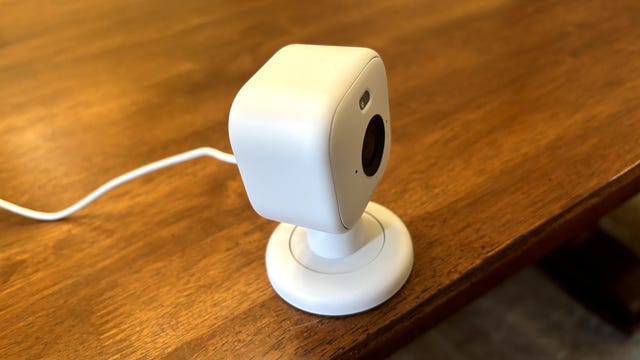
- Security Cameras: These typically connect via Wi-Fi and may offer AI features like facial recognition or motion detection.
- Leak Detectors and Sensors: Many use Wi-Fi, Zigbee, or Thread for real-time alerts and integration with automation platforms.
As new standards like Matter become more widely adopted, expect even greater interoperability and ease of setup across brands and device types.
Smart Home Automation and AI Ecosystems
Once your devices are connected, the real power of a smart home comes from automation and ecosystem integration. AI gadgets can work together to create routines and respond to triggers, such as adjusting lighting when you arrive home or sending alerts if a leak is detected.
Platforms like Google Home, Apple HomeKit, and Amazon Alexa allow users to set up scenes and automations that span multiple devices and brands. For example, a smart thermostat can work with occupancy sensors to optimize heating and cooling, while a smart speaker can announce reminders or security alerts.
If you’re looking for inspiration, our article on ai smart home project ideas offers practical examples of how to combine different AI devices for creative and useful automations.
Challenges and Future Trends in AI Home Integration
While the benefits of smart home integration are clear, there are still challenges to overcome. Compatibility between brands, network congestion, and privacy concerns can complicate setup and daily use. However, industry efforts like the Matter standard are making progress toward universal compatibility and improved security.
Looking ahead, expect AI gadgets to become even more autonomous, learning from user behavior and adapting settings automatically. Integration with renewable energy systems and advanced battery management—such as those discussed in ai green smart homes with ai—will also play a larger role in efficient, sustainable living.
For a curated list of the most practical and innovative smart home devices, see this collection of smart home gift ideas for 2025.
FAQ: AI Gadgets and Home Network Integration
What protocols do most AI home devices use to connect?
Most AI-powered home devices use Wi-Fi for direct internet access and cloud connectivity. Others rely on Bluetooth, Zigbee, or newer standards like Thread and Matter for local communication and mesh networking.
Can I use AI gadgets from different brands together?
Yes, many smart home platforms support devices from multiple brands, especially if they are compatible with standards like Matter or work with popular voice assistants. Always check compatibility before purchasing to ensure seamless integration.
How can I keep my smart home devices secure?
To secure your AI gadgets, regularly update firmware, use strong and unique passwords, enable two-factor authentication, and consider segmenting your network. Avoid sharing sensitive information and review privacy settings on each device.
Do AI gadgets work if the internet goes down?
Some devices, especially those relying on cloud services, may lose functionality without internet access. However, gadgets that support local control through protocols like Zigbee or Thread can often continue basic operations even if the internet is unavailable.