Artificial intelligence is rapidly transforming the way we live, especially in our homes and daily routines. One of the most significant benefits of this technology is its ability to help reduce the risk of accidents, both minor and major. From smart sensors that detect hazards to predictive systems that alert users before something goes wrong, AI-powered devices are making environments safer and more responsive.
If you’ve ever wondered how do AI gadgets prevent accidents in real-world settings, this article will break down the mechanisms, types of devices, and practical examples that show their impact. Whether you’re interested in home safety, personal health, or smarter living, understanding these innovations can help you make informed decisions about integrating AI into your own life.
For readers exploring broader smart home solutions, you might also find value in learning about ai battery management systems for homes, which can further enhance safety and efficiency.
Understanding the Role of AI in Accident Prevention
The integration of artificial intelligence into everyday devices has opened up new possibilities for accident prevention. Unlike traditional gadgets that rely on simple sensors or timers, AI-enabled products use advanced algorithms to analyze data, recognize patterns, and make real-time decisions. This allows them to anticipate potential dangers and act before an incident occurs.
For example, AI can help a smart thermostat detect unusual temperature spikes that might indicate a fire risk, or enable a leak detector to identify water leaks early and send instant alerts. These proactive measures are crucial for minimizing damage and keeping people safe.
Types of AI Devices That Reduce Risks
There is a growing range of AI-powered gadgets designed to address different types of hazards. Here are some of the most common categories:
- Smart Leak Detectors: These devices use AI to monitor water flow and humidity, quickly identifying leaks in toilets, pipes, or appliances. Early detection prevents costly water damage and reduces the risk of slips and falls.
- Intelligent Thermostats: By learning user behavior and monitoring environmental conditions, these gadgets can prevent overheating, reduce fire risks, and optimize energy use.
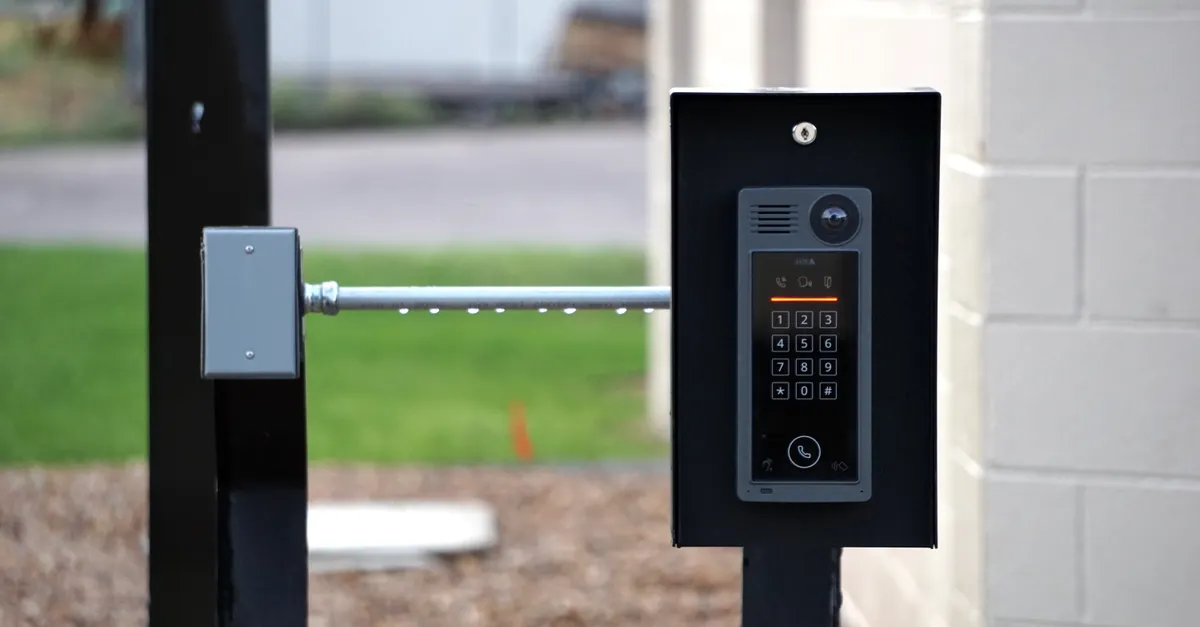
- AI-Driven Security Cameras: Modern cameras use machine learning to distinguish between normal activity and suspicious behavior, alerting homeowners to potential threats or emergencies.
- Voice-Activated Smart Speakers: These can be programmed to call for help, control appliances, or provide reminders, making them valuable for elderly users or those with mobility challenges.
- Wearable Health Monitors: AI wearables track vital signs and detect anomalies, sending alerts in case of falls or sudden health issues.
How Do AI Gadgets Prevent Accidents in the Home?
The home is one of the most common places where accidents occur, from water leaks to fires and falls. AI-powered devices play a vital role in reducing these risks by providing continuous monitoring and instant alerts. Here’s how they work in practice:
- Leak Detection: AI sensors placed near toilets, sinks, or appliances can detect even small leaks. The system analyzes water usage patterns and sends a notification if something unusual is detected, allowing for quick repairs before water damage or mold develops.
- Fire and Carbon Monoxide Alerts: Smart thermostats and detectors use AI to monitor temperature and air quality. If abnormal readings are detected, they can trigger alarms, shut off appliances, or notify emergency contacts.
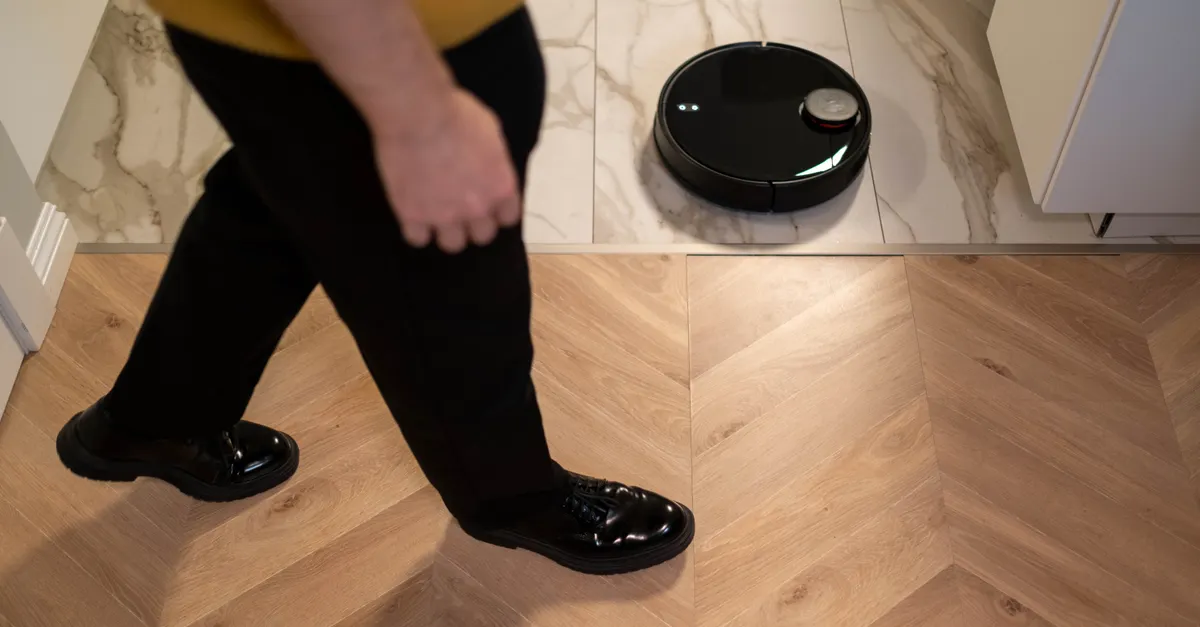
- Fall Prevention: Some AI systems use motion sensors and cameras to monitor movement in the home, particularly for elderly residents. If a fall is detected or if unusual inactivity is noticed, the system can automatically alert caregivers or emergency services.
- Routine Reminders: Voice assistants can remind users to lock doors, turn off stoves, or take medication, reducing the chance of accidents caused by forgetfulness.
AI Gadgets in Public and Commercial Spaces
The benefits of AI-driven safety extend beyond the home. In workplaces, public areas, and transportation, these technologies are being used to prevent accidents on a larger scale. For instance, AI-powered cameras in factories can detect unsafe behavior and halt machinery if a person enters a restricted area. In vehicles, advanced driver-assistance systems (ADAS) use AI to monitor surroundings, warn drivers of hazards, and even take corrective action to avoid collisions.
According to a recent overview of portable AI devices for safety and convenience, the adoption of these tools is expected to grow rapidly as technology becomes more accessible and affordable.
Challenges and Considerations for AI-Based Safety Devices
While the advantages are clear, there are also challenges to consider. Privacy is a major concern, especially with devices that use cameras or collect personal data. It’s important to choose products with strong data protection policies and transparent privacy settings.
Another consideration is reliability. AI systems are only as good as the data they receive and the algorithms they use. Regular updates and maintenance are essential to ensure continued accuracy and effectiveness.
For those interested in further enhancing home safety, exploring ai remote home monitoring can provide additional peace of mind with real-time alerts and remote access.
Emerging Trends in Accident Prevention with AI
As AI technology evolves, new trends are shaping the future of accident prevention. Some of the most promising developments include:
- Predictive Analytics: AI systems are becoming better at forecasting risks by analyzing historical data and current conditions, allowing for even earlier intervention.
- Integration with Smart Grids: In smart homes, AI can coordinate with energy management systems to prevent overloads and electrical fires.
- Personalized Safety Recommendations: Devices can learn user habits and provide tailored advice or warnings, increasing the relevance and effectiveness of alerts.
- Collaboration with Emergency Services: Some platforms are designed to automatically share information with first responders, improving response times in critical situations.
Integrating AI Safety Devices into Your Lifestyle
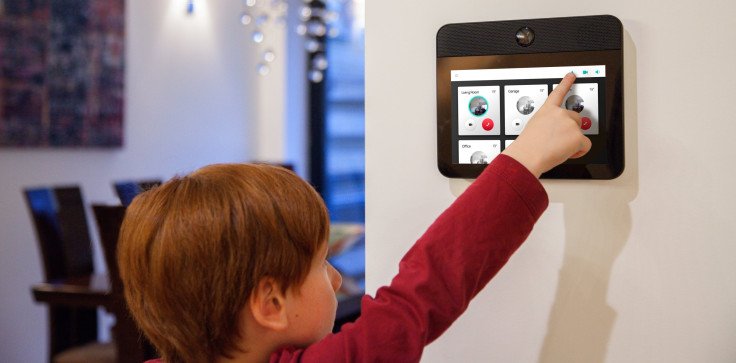
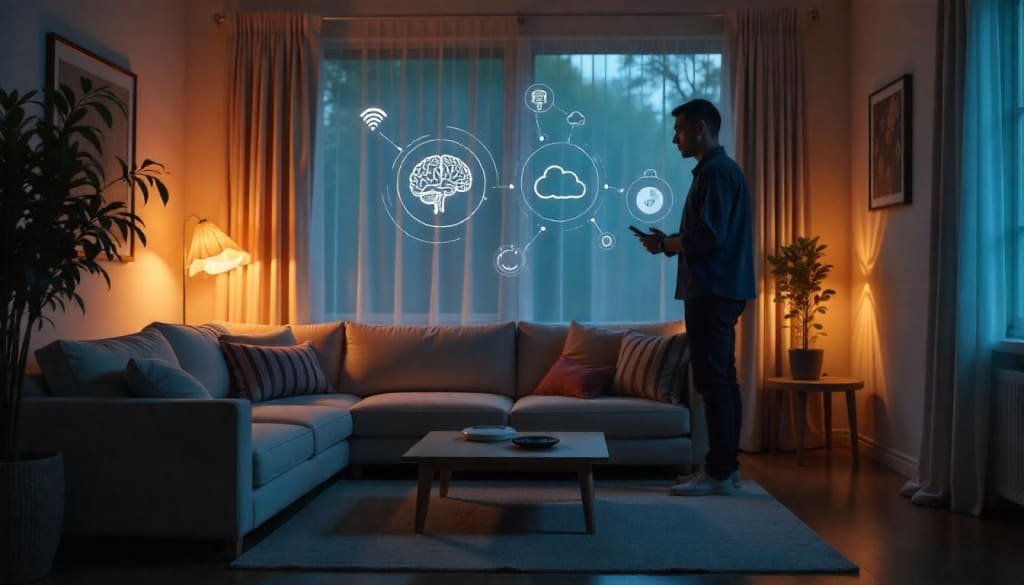
Bringing AI-powered safety devices into your home or workplace doesn’t have to be complicated. Start by identifying the most common risks in your environment—such as water leaks, fire hazards, or falls—and choose gadgets that address those needs. Many products are designed for easy installation and can be managed through smartphone apps or voice assistants.
For students and DIY enthusiasts, exploring ai smart home project ideas can be a great way to experiment with accident prevention technologies and learn more about how these systems work.
FAQ: AI Gadgets and Accident Prevention
What types of accidents can AI gadgets help prevent?
AI-powered devices can help reduce the risk of water leaks, fires, carbon monoxide poisoning, falls, unauthorized entry, and even some health emergencies. Their ability to monitor, analyze, and respond in real time makes them effective for a variety of safety concerns.
Are AI safety devices difficult to install and use?
Most modern AI gadgets are designed for user-friendly installation and operation. Many connect to Wi-Fi and can be managed through mobile apps or voice commands, making them accessible even for those with limited technical experience.
How do AI gadgets compare to traditional safety devices?
Traditional devices often rely on basic sensors and manual intervention. In contrast, AI-powered gadgets use advanced algorithms to anticipate problems, provide early warnings, and sometimes take automatic action. This proactive approach leads to better prevention and faster response.
Can AI gadgets be integrated with other smart home systems?
Yes, many AI safety devices are compatible with broader smart home ecosystems, allowing for coordinated responses and centralized control. This integration enhances overall safety and convenience.
Conclusion
The adoption of AI-powered safety devices is reshaping how we approach accident prevention in homes, workplaces, and public spaces. By leveraging real-time data, predictive analytics, and seamless integration, these gadgets provide a proactive layer of protection that traditional solutions can’t match. As technology continues to advance, the potential for even safer environments will only grow.
For those interested in sustainable and efficient living, exploring topics like ai green smart homes with ai and ai occupancy detection in homes can further enhance your understanding of how artificial intelligence is shaping the future of safety and comfort.