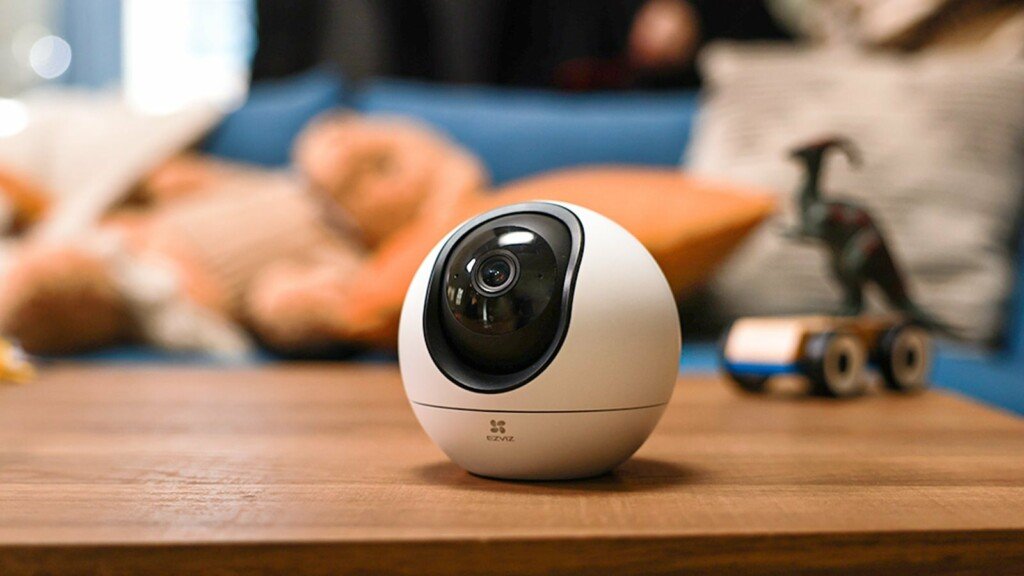
Artificial intelligence is rapidly transforming the landscape of smart home devices, especially in the realm of baby monitoring and caregiving. One of the most sought-after features in modern smart monitors is the ability to recognize and respond to a baby’s cries. But how do AI monitors detect crying? This article explores the technology behind these systems, the methods they use, and what sets them apart from traditional sound monitors.
As more families adopt smart home solutions, understanding the mechanics of AI-powered monitoring becomes increasingly important. These systems not only offer peace of mind but also provide actionable insights for caregivers. For those interested in broader applications of artificial intelligence in the home, resources like AI remote home monitoring can offer additional context on how these technologies are shaping our living spaces.
Understanding the Basics of AI Cry Detection
At the core of any AI-powered monitor is the ability to process and interpret sound. Unlike conventional audio monitors that simply transmit all noises, AI-based devices use advanced algorithms to distinguish between different types of sounds. The process typically involves several steps:
- Sound Capture: High-quality microphones pick up ambient noises, including a baby’s cries, background chatter, and other household sounds.
- Signal Processing: The captured audio is converted into digital signals, which are then analyzed using machine learning models.
- Pattern Recognition: AI algorithms compare the incoming sound patterns to a database of known crying sounds, filtering out irrelevant noises.
- Alert Generation: When a match is detected, the system sends notifications or triggers specific actions, such as turning on a nightlight or playing soothing music.
Key Technologies Behind Cry Recognition
The question of how do AI monitors detect crying is best answered by examining the technologies that make this possible. Several components work together to ensure reliable detection:
Machine Learning and Neural Networks
Most modern monitors rely on machine learning—a subset of artificial intelligence that enables systems to learn from data. Developers train these models using thousands of audio samples of babies crying, laughing, and making other sounds. Over time, the neural network becomes adept at distinguishing a genuine cry from other noises, such as coughing or playful babbling.
Acoustic Feature Extraction
AI monitors extract specific features from sound waves, such as pitch, duration, intensity, and frequency. Babies’ cries have unique acoustic signatures that set them apart from other sounds. By focusing on these features, AI systems can achieve high accuracy in detection.
Noise Filtering and Environmental Adaptation
Homes are filled with unpredictable noises—TVs, pets, appliances, and conversations. AI monitors use sophisticated noise filtering techniques to minimize false alarms. Some devices even adapt to their environment, learning what typical background noises sound like and ignoring them over time.

How Smart Monitors Improve Over Time
One of the key advantages of AI-based cry detection is the ability to learn and adapt. As the monitor is used, it collects more data about the specific environment and the baby’s unique sounds. This allows the system to fine-tune its algorithms, resulting in fewer false alarms and more accurate notifications.
Some advanced monitors offer cloud-based updates, where improvements to the detection algorithms are delivered automatically. This ensures that the device stays current with the latest advancements in sound recognition technology.
Comparing AI Cry Detection to Traditional Monitors
Traditional audio monitors transmit all sounds indiscriminately, which can lead to frequent false alarms and unnecessary interruptions. In contrast, AI-powered devices focus on the specific task of recognizing cries, offering several benefits:
- Reduced False Alarms: By filtering out irrelevant noises, caregivers are only alerted when necessary.
- Customizable Sensitivity: Many AI monitors allow users to adjust sensitivity levels, tailoring alerts to their preferences.
- Integration with Smart Home Systems: AI monitors can trigger other smart devices, such as lights or speakers, to respond automatically when a cry is detected.
For those interested in expanding their smart home ecosystem, exploring AI battery management systems for homes can provide insights into energy efficiency and automation.

Privacy and Security Considerations
With any device that processes audio in the home, privacy is a valid concern. Most reputable AI monitor manufacturers use local processing, meaning the audio never leaves the device unless explicitly enabled for cloud-based features. Always review the privacy policy and security features before purchasing a smart monitor.
For those seeking to build a comprehensive smart home, it’s worth exploring other innovations such as AI green smart homes with AI technology and AI smart home project ideas for students to understand the broader impact of artificial intelligence on daily living.
Integrating AI Monitors with Other Smart Devices
Many AI monitors are designed to work seamlessly with other smart home products. For example, when a cry is detected, the monitor can communicate with smart speakers to play lullabies or with smart thermostats to adjust the room temperature for comfort. This level of integration enhances the caregiving experience and allows for a more responsive home environment.
If you’re interested in expanding your smart home setup, consider reviewing the latest best smart home devices to find compatible products that can work alongside your AI monitor.
FAQ
Can AI monitors distinguish between different types of baby sounds?
Yes, most AI-powered monitors are trained to recognize various baby sounds, including crying, laughing, and babbling. The algorithms focus on the unique acoustic features of each sound, allowing the device to send alerts only when a genuine cry is detected.
Are AI cry detection monitors reliable in noisy environments?
Modern AI monitors use advanced noise filtering and environmental adaptation to minimize false alarms. While no system is perfect, these devices are generally more reliable than traditional monitors in homes with lots of background noise.
Do AI monitors require an internet connection to detect crying?
Many AI monitors process audio locally and do not require an internet connection for basic cry detection. However, features like cloud updates or remote notifications may need connectivity. Always check the product specifications for details.
How can I ensure my AI monitor is secure and respects privacy?
Choose monitors from reputable brands that clearly state their privacy policies. Look for devices that offer local processing and encrypted data transmission. Regularly update your device’s firmware to benefit from the latest security patches.
As AI continues to evolve, smart monitors will become even more accurate and integrated with other home technologies. Understanding how do AI monitors detect crying empowers caregivers to make informed decisions and create a safer, more responsive environment for their families.